coffee glossary: 27 terms every specialty coffee drinker needs to know
discover specialty coffee terminology from processing methods to flavor profiles in this comprehensive guide that goes beyond basic definitions.
in this guide
- processing methods
- brewing terminology
- flavor and tasting
- roasting and origin
- equipment and preparation
- modern specialty concepts
- putting it together
- frequently asked questions
- what is the difference between natural and washed coffee processing?
- what does extraction mean in coffee brewing?
- are flavor notes on coffee bags real or just marketing?
- what is anaerobic fermentation in coffee?
specialty coffee speaks its own language. walk into any third wave shop and you'll hear words that sound like wine tasting meets chemistry class. the barista mentions "anaerobic natural" and "flavor notes of bergamot." you nod knowingly while internally panicking.
most coffee glossaries online still think "specialty coffee" means dunkin' donuts premium blend. they're stuck in 2012. this one isn't.
processing methods
anaerobic fermentation — beans ferment without oxygen in sealed tanks. creates wild, funky flavors that divide coffee lovers. think wine-like complexity or fermented fruit bombs. some hate it, others chase every anaerobic lot.
natural process — coffee cherries dry whole in the sun. beans absorb fruit sugars, creating sweet, fruity cups. also called dry process. originated in ethiopia where water was scarce.
washed process — fruit removed before drying. clean, bright flavors. the processing method that built specialty coffee's reputation. wet process is the same thing.
honey process — sticky mucilage left on beans during drying. not actual honey. originated in costa rica. yellow honey has less mucilage, black honey more. creates sweetness between natural and washed.
carbonic maceration — borrowed from winemaking. whole cherries ferment in co2-rich environment. produces unusual flavor compounds. experimental method gaining traction at innovative farms.
brewing terminology
extraction — how much coffee dissolves into water. under-extracted tastes sour, over-extracted bitter. the sweet spot lives between 18-22% extraction yield.
bloom — when hot water hits fresh grounds, co2 escapes and coffee "blooms" up. crucial for pour-over. no bloom means stale coffee or water too cool.
channeling — water finds easy paths through coffee bed instead of flowing evenly. creates weak, sour shots in espresso. grind distribution and tamping matter here.
crema — golden foam on espresso shots. traditionalists obsess over it, modern specialty focuses on taste. thick crema doesn't guarantee good espresso.
total dissolved solids (tds) — measures brew strength. specialty standard is 1.15-1.35%. refractometers measure tds precisely. home brewers use apps and guesswork.
flavor and tasting
cupping — standardized tasting protocol. 8.25g coffee to 150ml water. steep 4 minutes, break crust, slurp loudly. how professionals evaluate coffee quality.
terroir — environment's impact on coffee flavor. altitude, soil, climate all matter. borrowed from wine but increasingly relevant as farms focus on unique microlots.
flavor notes — descriptors on coffee bags. not artificial flavors added. trained palates identify these compounds naturally present. good roasters include tasting notes from multiple cuppers.
body — mouthfeel and texture. light body feels thin, full body coating. brewing method heavily influences body. french press creates more body than pour-over.
acidity — brightness that makes coffee lively. not stomach-burning sourness. good acidity feels crisp and clean. different acids create different sensations—malic acid tastes apple-like, citric acid lemony.
roasting and origin
light roast — preserves origin character. acidic, complex, sometimes grassy. first crack audible but beans stop before second crack. specialty coffee's preferred roast level.
dark roast — roast flavors dominate origin character. oils migrate to surface. popular in traditional coffee cultures. easier to brew consistently but loses nuance.
single origin — coffee from one farm, region, or processing station. showcases specific terroir. opposite of blends which balance flavors from multiple sources.
microlot — small batch of exceptional coffee. often experimental processing or prime picking. limited availability, premium pricing. coffee's equivalent to limited edition wines.
first crack — audible pop when beans expand during roasting. chemical reactions create coffee's recognizable flavors. roasters use timing from first crack to determine roast level.
equipment and preparation
burr grinder — crushes beans between two revolving surfaces. creates consistent particle size. flat burrs vs conical burrs spark endless debates. both work, consistency matters most.
blade grinder — cheap grinder that chops beans. creates uneven particles leading to poor extraction. acceptable for french press, terrible for espresso.
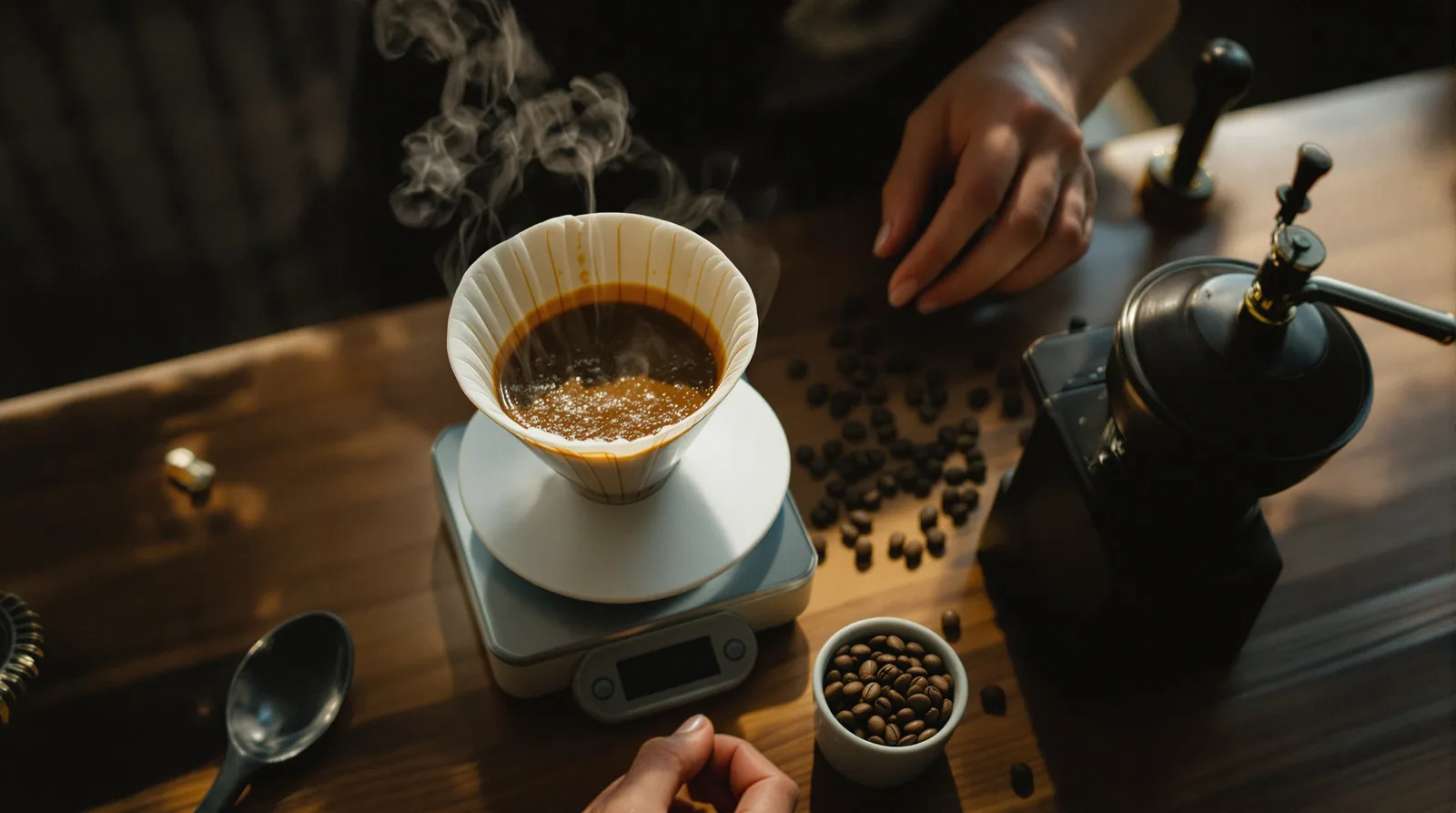
gooseneck kettle — pour-over essential with controlled spout for precise water flow. temperature control versions maintain exact brewing temps. game-changer for manual brewing.
tamper — tool for compressing espresso grounds. even distribution and consistent pressure crucial for good shots. heavy tampers feel better but don't improve results.
modern specialty concepts
direct trade — roasters buy directly from farmers, cutting out middlemen. higher prices to farmers, more transparency, better relationships. marketing term without certification standards.
q grader — certified coffee quality assessor. passed rigorous sensory training and calibration. their cupping scores influence green coffee pricing globally.
third wave coffee — treats coffee as artisanal craft, not commodity. emphasizes origin, processing, brewing technique. we're allegedly in fourth wave now but nobody agrees what that means.
seasonal coffee — fresh crop arrivals throughout the year. ethiopia arrives winter, central america spring. serious coffee drinkers follow harvest seasons like wine vintages.
coffee score — numerical rating system. specialty grade requires 80+ points. anything above 85 considered exceptional. scoring considers aroma, flavor, aftertaste, acidity, body, balance.
putting it together
this vocabulary opens doors. walk into any specialty shop and speak the language. ask about processing method, origin story, roast date. baristas love talking coffee with people who understand.
the specialty coffee world keeps evolving. new processing methods appear yearly. flavor wheel updates constantly. explore specialty roasters on not another sunday to taste these concepts in your cup. theory means nothing without experience.
start with single origins from our top-rated roasters. taste the difference between natural and washed processing. notice how altitude affects acidity. build your palate alongside your vocabulary.
browse local specialty cafes serving these coffees properly. good baristas become teachers. ask questions. cup alongside them. let your taste buds catch up with your terminology.
the words matter less than the journey. but knowing the language helps you navigate specialty coffee's beautiful complexity. now go forth and caffeinate intelligently.
Key takeaway: Specialty coffee has its own precise vocabulary, and knowing terms like extraction, processing methods, and terroir helps you buy better coffee and understand what baristas are actually describing.
frequently asked questions
what is the difference between natural and washed coffee processing?
natural process dries the whole coffee cherry in the sun, letting beans absorb fruit sugars for a sweeter, fruitier cup. washed process removes the fruit first, producing cleaner, brighter flavors. the processing method shapes taste more than most people realize -- often more than the roast level.
what does extraction mean in coffee brewing?
extraction measures how much coffee dissolves into water during brewing. under-extracted coffee tastes sour and weak; over-extracted tastes bitter and harsh. the target range is 18-22% extraction yield. grind size, water temperature, and brew time all control where you land in that range.
are flavor notes on coffee bags real or just marketing?
they are real -- no artificial flavors are added. trained tasters called cuppers identify chemical compounds naturally present in the coffee. bergamot, blueberry, or dark chocolate notes come from origin, soil, processing, and roast. different cuppers tasting the same coffee often agree closely on descriptors.
what is anaerobic fermentation in coffee?
anaerobic fermentation means coffee beans ferment inside sealed, oxygen-free tanks before drying. removing oxygen creates unusual flavor compounds -- often described as wine-like, tropical, or intensely fruity. it is an experimental method that divides specialty coffee drinkers sharply. some love the funky complexity; others prefer cleaner, more traditional processing.