melbourne's laneway coffee culture puts every other city to shame
while the rest of the world argues about third wave coffee, melbourne quietly perfected the art of hiding world-class espresso bars in graffiti-covered alleyways where baristas treat milk steaming like performance art.
in this guide
- melbourne owns you now
- the ritual runs deep
- new wave pushes boundaries
- laneways teach coffee geography
- what you need to know
- the sound of melbourne
- frequently asked questions
- What makes Melbourne's coffee culture different from other cities?
- What is a flat white and did Melbourne invent it?
- Which Melbourne cafes are worth visiting for specialty coffee?
- Where do Melbourne cafes source their coffee beans?
melbourne owns you now
melbourne didn't ask to become a coffee capital. it just happened, the way evolution happens—gradually, then suddenly, until you can't imagine the city any other way. italian migrants brought proper espresso machines in the 1950s. greek families opened milk bars. by the 1980s, the laneways were already buzzing with small bars serving coffee that put instant to shame.
but here's what makes melbourne different: it never settled. while other cities got comfortable with their coffee scenes, melbourne kept pushing. questioning. obsessing over details that shouldn't matter but absolutely do.
the ritual runs deep
walk down any laneway at 7am. hardware société on hardware lane will already have a queue snaking toward little bourke street. not because it's trendy—though the breakfast menu doesn't hurt—but because melbourne takes its morning coffee personally. this isn't grab-and-go culture. people stand at the bar, chat with baristas who know their order, argue about extraction times.
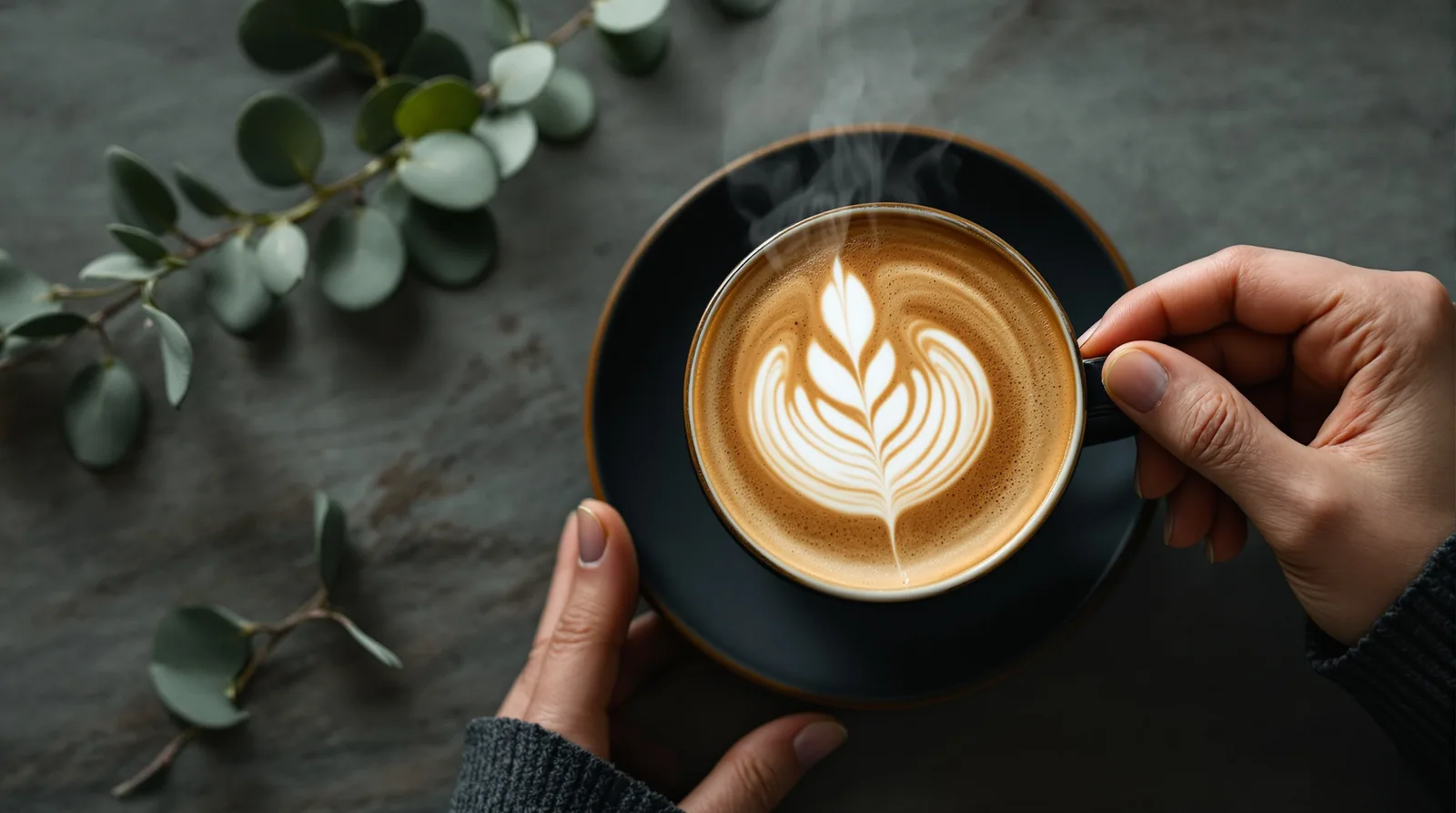
the flat white isn't just melbourne's gift to the world—though new yorkers will never admit it. it's a philosophy. smaller than a latte, stronger than a cappuccino, with microfoam that's velvet-smooth but never thick. watch a proper melbourne barista work. they'll adjust grind size three times before noon, taste every shot, restart if the milk splits even slightly.
brother baba budan in the city hammers this home. squeezed into a skinny space on little bourke street, no seating, just standing room and exceptional coffee. it's named after the sufi who smuggled coffee beans out of yemen in the 1600s, and that reverence for coffee as something worth fighting for permeates everything they do.
new wave pushes boundaries
the third wave hit melbourne like a brick through glass. suddenly extraction ratios mattered. origin stories. processing methods. patricia coffee brewers in fitzroy became ground zero for this movement—serving single origins that taste like fruit, flowers, sometimes nothing you'd expect from coffee.
little rogue in south melbourne takes this further. their menu reads like wine tasting notes. their baristas can tell you which farm your beans came from, how they were processed, why the grind size matters for this specific roast. it's nerdy in the best way.
dukes coffee roasters supplies half the specialty scene from their roastery in richmond. they source directly from farmers, pay premium prices, publish transparency reports. their beans show up at operator25, aunty peg's, dead man espresso—anywhere serious about coffee rather than just serving it.
laneways teach coffee geography
forget chapel street or collins street. melbourne's coffee culture lives in the gaps. degraves street. centre place. block arcade. industry beans fitzroy turned a warehouse into a coffee cathedral, complete with nitro cold brew on tap and beans roasted on-site.
auction rooms in north melbourne occupies an actual former auction house. exposed brick, high ceilings, the kind of space that makes your flat white feel important. two birds one stone in south yarra proves the suburbs can compete—they're roasting their own beans and serving them alongside serious brunch food.
the beauty is geographic democracy. path melbourne in south melbourne serves the same quality coffee as places in the cbd. proud mary started in collingwood, expanded globally, but their melbourne location still feels like the original blueprint for what specialty coffee should be.
what you need to know
first: don't order a large coffee. melbourne does small, strong, perfect. the default size is what other cities call medium.
second: milk matters as much as beans. most places use full-cream milk from local dairies. alternative milks are available but won't win you friends with traditionalists.
third: breakfast is serious business. hardware société, brick lane, rosso coffee experience—these places prove melbourne never separated food from coffee culture. they're interconnected, symbiotic.
fourth: baristas here aren't just making coffee—they're crafting it. expect them to know their beans, their equipment, their technique. they'll adjust your drink if you ask nicely, but they probably got it right the first time.
the sound of melbourne
mornings sound like tamping portafilters and steam wands hissing. conversations in six languages. the gentle violence of grinder burrs crushing beans. chairs scraping concrete as people settle in for long conversations that meander like the yarra river.
afternoons bring a different energy. less rush, more ritual. people nurse single origins for hours, laptops open, treating cafes like offices that serve exceptional coffee instead of fluorescent lighting and instant machines.
this is melbourne's genius: it made coffee culture feel essential rather than optional. not precious or performative, just deeply embedded in how the city moves through its days. other places serve coffee. melbourne lives it.
---
explore all melbourne cafes on not another sunday or browse our full roaster directory.
Key takeaway: Melbourne became a global coffee capital not by chasing trends but by never stopping its obsession with getting every detail exactly right.
frequently asked questions
What makes Melbourne's coffee culture different from other cities?
Melbourne coffee culture is built on decades of refinement, starting with Italian migrants in the 1950s. Baristas adjust grind sizes multiple times a day, taste every shot, and treat the flat white as a philosophy rather than just a menu item. The city never got comfortable -- it kept pushing.
What is a flat white and did Melbourne invent it?
A flat white is smaller than a latte, stronger than a cappuccino, with velvet-smooth microfoam that never turns thick or frothy. Melbourne claims it as its gift to the world -- though New Yorkers tend to disagree. It remains the defining drink of the city's specialty coffee scene.
Which Melbourne cafes are worth visiting for specialty coffee?
Hardware Societe, Brother Baba Budan, and Patricia Coffee Brewers are standout city options. Industry Beans in Fitzroy roasts on-site in a converted warehouse. Proud Mary started in Collingwood and still reflects the original blueprint for serious Melbourne specialty coffee.
Where do Melbourne cafes source their coffee beans?
Dukes Coffee Roasters in Richmond supplies much of the specialty scene, sourcing directly from farmers and publishing transparency reports. Their beans appear at Operator25, Aunty Peg's, and Dead Man Espresso -- cafes that treat sourcing as seriously as brewing.