the best chocolatey coffee beans
discover why Brazilian and Colombian beans deliver the richest chocolate and nut flavors, plus the exact roast levels that bring out those profiles.
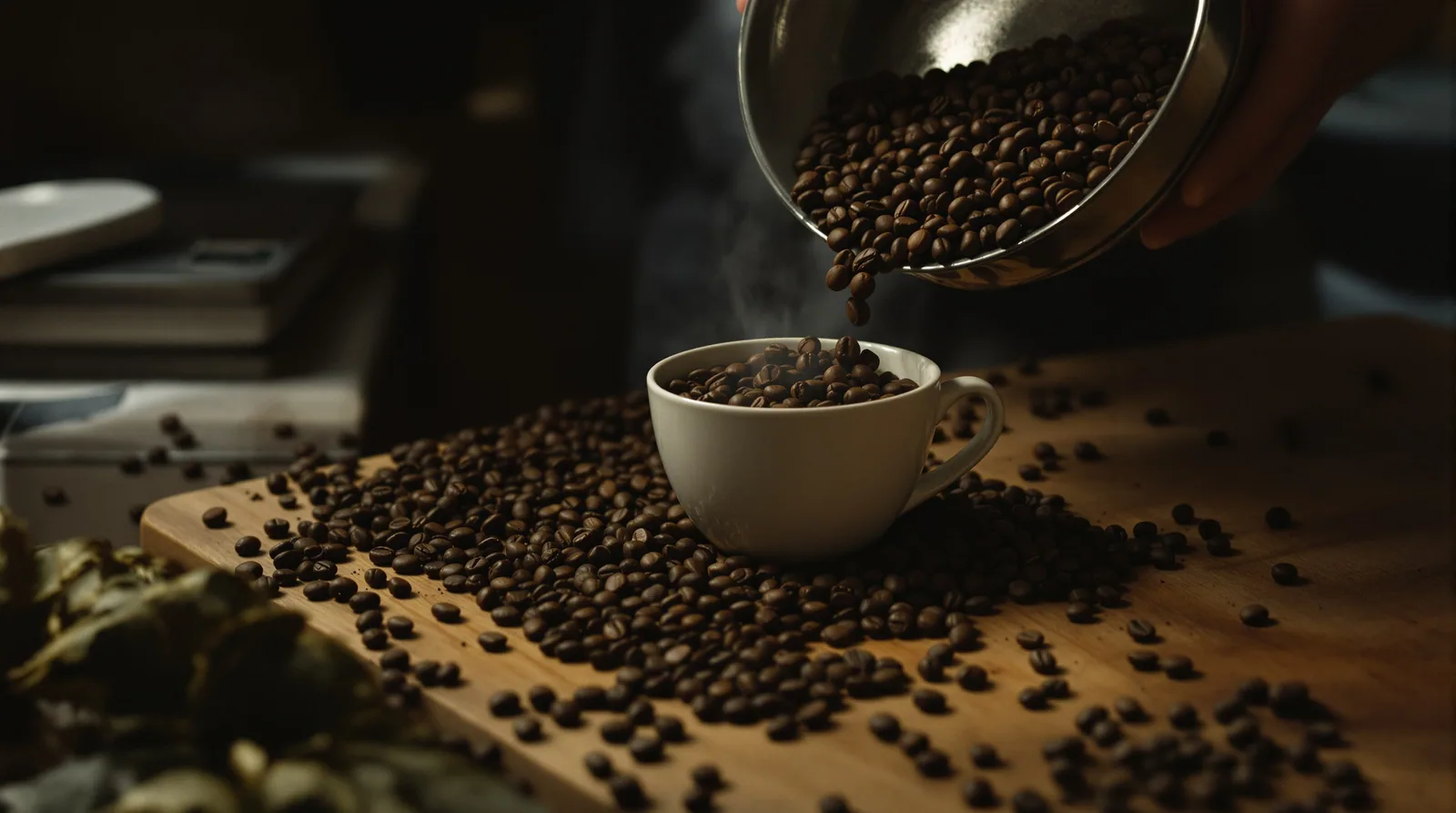
in this guide
- why does Brazilian coffee taste like chocolate?
- what makes Colombian beans different for chocolate flavors?
- how does roast level affect chocolate flavors?
- which brands and blends deliver the best chocolate profiles?
- what brewing methods bring out chocolate flavors best?
- are single-origin or blends better for chocolate notes?
- frequently asked questions
- which coffee beans taste the most like chocolate?
- is Brazilian or Colombian coffee better for a chocolatey espresso?
- does roast level affect chocolate flavor in coffee?
- why do Brazilian coffee beans taste different from Ethiopian or Kenyan beans?
the best chocolatey coffee beans in 2026 come from Brazil's Alta Mogiana region and Colombian Supremo-grade lots, both prized for their natural nutty sweetness and low acidity. Brazilian beans roasted to medium-dark bring out caramelized sugars and deep chocolate notes, while Colombian beans at light-medium preserve their balanced, cocoa-forward character without bitterness.
if you're hunting for that dessert-like richness in your morning cup, you need to understand how origin and processing shape flavor. chocolate and nut profiles don't happen by accident. they're the result of specific soil chemistry, altitude, drying methods, and roast development. Brazil and Colombia dominate this category because their growing conditions naturally produce beans with inherent sweetness and body, rather than the bright, fruity acidity you'd find in Ethiopian or Kenyan coffee from other regions.
why does Brazilian coffee taste like chocolate?
Brazil produces roughly 40% of the world's coffee supply, and the Alta Mogiana region stands out as the prime source for chocolate-forward beans. sitting at altitudes between 900 and 1,250 meters, this area features iron-rich red soil that creates a nutty, low-acid profile with pronounced body. most farmers use the natural process, drying the whole coffee cherry directly on the bean for 20 to 30 days. this method allows fruit sugars to penetrate the seed, resulting in intense sweetness and a creamy mouthfeel.
when you taste coffee from Brazil, you're experiencing the interaction between terroir and processing. the natural sugars in these beans respond beautifully to medium-dark roasting. at this temperature range, Maillard reactions and caramelization transform those inherent sugars into flavors that mirror dark chocolate, roasted almonds, and sometimes even hazelnut praline. cooperatives like Cocapec in Alta Mogiana have refined their quality control to the point where you can consistently expect this profile.
Blue Bottle's Hayes Valley Espresso blend uses Brazilian beans as a foundation for exactly this reason. the roast development brings forward those caramelized sugars without crossing into burnt, ashy territory. Pando Coffee's O'Beez offering from Brazil delivers similar chocolate richness, making it ideal for espresso or any brewing method where you want body and sweetness to dominate.
what makes Colombian beans different for chocolate flavors?
Colombian coffee delivers chocolate in a different way than Brazilian. the Supremo grade, which denotes the largest bean size and strictest quality standards, produces a cleaner, more balanced chocolate profile with less earthiness. Colombian beans grown at higher altitudes (often 1,400 to 2,000 meters) develop more complexity, but when roasted correctly, they maintain a sweet cocoa character without the heavy body of Brazilian naturals.
the key difference is processing. most Colombian beans use the washed method, where the fruit is removed before drying. this creates a cleaner cup with more clarity. when roasted to light-medium, Colombian beans preserve bright acidity alongside their chocolate notes. when pushed to medium-dark (like Kirkland's Colombian Supremo), they develop a bolder, punchier chocolate flavor that stands up to milk and sugar.
Volcánica Coffee's Colombian Supremo exemplifies this balance. it's Rainforest Alliance certified and roasted to highlight gentle chocolate and nutty undertones without overwhelming acidity. Fresh Roasted Coffee LLC offers an organic Colombian option with similar chocolatey undertones and balanced acidity, roasted to order for maximum freshness. these beans work beautifully as daily drinkers because they're approachable and consistent.
Intelligentsia's Black Cat espresso blend rotates between prime Brazilian and Colombian lots throughout the year based on harvest cycles. rather than relying on dark, oily roasts for body, they use a medium roast that maximizes natural sugars while taming acidity. this seasonal approach ensures peak freshness, and the chocolate notes stay vibrant rather than flat.
how does roast level affect chocolate flavors?
roast level is everything when you're chasing chocolate notes. Brazilian beans from Alta Mogiana hit their peak at medium-dark. this specific heat level triggers caramelization of the natural sugars embedded during the 20 to 30 day drying process. you'll taste rich, chocolatey warmth that feels almost viscous on the palate.
Colombian beans are more versatile but often shine brightest at light-medium. this preserves the bright, citric acidity that 100% Arabica drinkers expect while keeping the cocoa-forward sweetness intact. roasting Colombian beans too dark masks the floral qualities that high-altitude crops develop. however, if you prefer a bolder, more assertive cup (think espresso or French press), medium-dark Colombian roasts like Kirkland's Supremo deliver punchy chocolate without crossing into burnt territory.
Blue Bottle's Giant Steps blend takes a different approach entirely. it combines dense Sumatran beans, sweet Ugandan lots, and Central American beans for a chocolatey backbone, then roasts them dark. the roasting team uses the process as a tool to caramelize intrinsic sugars, creating something new rather than simply extracting origin character. it's a coffee that begs for a French press or percolator, where heavy body and rich oils can be fully extracted.
when you're shopping from roasters, pay attention to their roast descriptors. "medium-dark" doesn't mean the same thing across the industry. some roasters consider second crack the beginning of dark roasting (around 435°F), while others push well past that. look for tasting notes that specifically mention chocolate, caramel, nut, or brown sugar. these indicate successful sugar development during roasting.
which brands and blends deliver the best chocolate profiles?
Pando Coffee's O'Beez from Brazil offers one of the most straightforward chocolate experiences you can buy in 2026. it's a single-origin natural process coffee that showcases exactly what Alta Mogiana beans can do when roasted properly. expect dense, creamy body with dark chocolate and almond notes.
Blue Bottle's Hayes Valley Espresso blend combines beans from multiple origins but uses Brazilian lots as the foundation for its chocolate character. it's designed for espresso but works beautifully as drip or pour-over if you enjoy intensity. the roast development brings forward caramelized sugars without any ashy bitterness.
Kirkland's Colombian Supremo is the utility player in this category. it's a medium-dark roast that captures rich, chocolatey essence without the smoky, burnt flavors that ruin mass-market dark roasts. the Supremo grade ensures large, defect-free beans, and the roast profile is bold enough to stand up to heavy cream and sugar. expect to pay significantly less per pound than specialty roasters, making it ideal for high-volume brewing or serving crowds.
Intelligentsia's Black Cat espresso blend rotates seasonally between Brazilian and Colombian beans at peak freshness. the medium roast maximizes natural sugars and creates vibrant chocolate notes that stay lively rather than flat. it's more expensive than commodity options (typically in the $16 to $22 per 12-ounce bag range), but the quality justifies the cost if you're brewing espresso or want exceptional clarity in milk drinks.
Piracii Coffee offers a unique take with rum barrel-aged Colombian beans. the aging process adds subtle vanilla and cacao infusions to the existing chocolate profile, creating a smooth, medium to dark roast with surprising complexity. it's organic, single-origin, and ethically sourced, though the barrel-aging means you're paying a premium (usually $18 to $25 per bag).
what brewing methods bring out chocolate flavors best?
chocolate and nut flavors shine brightest in brewing methods that emphasize body and mouthfeel. French press is the obvious choice because it allows coffee oils to remain in the cup, creating that creamy, almost viscous texture that amplifies chocolate notes. use a 1:15 coffee-to-water ratio (roughly 30 grams of coffee to 450 grams of water) and steep for four minutes.
espresso extracts chocolate flavors with intensity and concentration. Brazilian naturals and medium-dark Colombian Supremos both perform beautifully as espresso because their inherent sweetness balances extraction bitterness. if you're pulling shots at home, aim for a 1:2 ratio (18 grams in, 36 grams out) over 25 to 30 seconds. the resulting crema will carry those caramelized sugar flavors forward.
pour-over methods like Chemex or V60 can work, but you'll get a cleaner, less chocolatey cup compared to immersion brewing. the paper filter removes oils, which diminishes body. if you're committed to pour-over, use a slightly higher dose (1:14 ratio instead of 1:16) and water just off boil (around 200°F to 205°F) to maximize extraction of those sweet, chocolate notes.
cold brew is underrated for chocolate profiles. the long extraction time (12 to 24 hours) pulls out sweetness while minimizing acidity. Brazilian naturals are particularly excellent as cold brew because their nutty, chocolatey character comes through without any harsh edges. use a coarse grind and a 1:5 coffee-to-water ratio, then dilute to taste after steeping.
are single-origin or blends better for chocolate notes?
single-origin Brazilian beans from Alta Mogiana deliver the purest chocolate experience. you're tasting exactly what that terroir, processing method, and roast development create without any blending to smooth edges or fill gaps. Pando Coffee's O'Beez and Fresh Roasted Coffee LLC's organic Colombian both fall into this category. the advantage is clarity and consistency. the disadvantage is that single-origins can sometimes feel one-dimensional if you're used to complexity.
blends offer more versatility and balance. Blue Bottle's Hayes Valley Espresso uses Brazilian beans as a chocolate foundation but adds other origins for brightness or fruit notes. Intelligentsia's Black Cat rotates between Brazilian and Colombian lots seasonally, so you're technically getting single-origin beans, but the sourcing strategy mimics a blend's consistency. blends also allow roasters to adjust for harvest variations, ensuring you get similar flavor profiles year-round even when specific lots change.
if you're new to chocolate-forward coffees, start with a single-origin Brazilian natural to understand what pure chocolate character tastes like. then experiment with blends to see how roasters use chocolate as one element in a more complex flavor profile. both approaches are valid; it depends whether you want purity or complexity in your cup.
Key takeaway: Brazilian Alta Mogiana beans roasted medium-dark produce the deepest dark-chocolate and caramel notes, while Colombian Supremo at light-medium gives a cleaner, cocoa-forward cup with less body.
frequently asked questions
which coffee beans taste the most like chocolate?
Brazilian beans from the Alta Mogiana region taste the most like chocolate. natural processing lets fruit sugars soak into the seed, and medium-dark roasting triggers caramelization that mirrors dark chocolate and roasted almonds. cooperatives like Cocapec have refined this profile to be consistent cup after cup.
is Brazilian or Colombian coffee better for a chocolatey espresso?
Brazilian beans are the stronger pick for chocolate espresso. their natural processing and higher body hold up well under pressure and pair cleanly with milk. Colombian Supremo works too -- Kirkland's medium-dark roast is a solid example -- but expect a punchier, slightly brighter chocolate rather than a creamy, dessert-like richness.
does roast level affect chocolate flavor in coffee?
yes, roast level is critical. medium-dark roasts push Maillard reactions and caramelization further, converting bean sugars into dark chocolate and nutty flavors. light-medium roasts preserve a gentler cocoa character with more acidity. going too dark risks burning those sugars and producing bitter, ashy notes instead of chocolate.
why do Brazilian coffee beans taste different from Ethiopian or Kenyan beans?
Brazilian beans grow at lower altitudes in iron-rich soil and are usually naturally processed, which builds sweetness and body over bright acidity. Ethiopian and Kenyan beans grow higher, develop more fruit acids, and often taste floral or citrusy. the growing conditions and processing method -- not just the country -- drive those differences.