the best home espresso machines for 2026
the best home espresso machines in 2026 span from the $450 Gaggia Classic Evo Pro to the $2,000 Breville Oracle Jet, with strong mid-tier options.
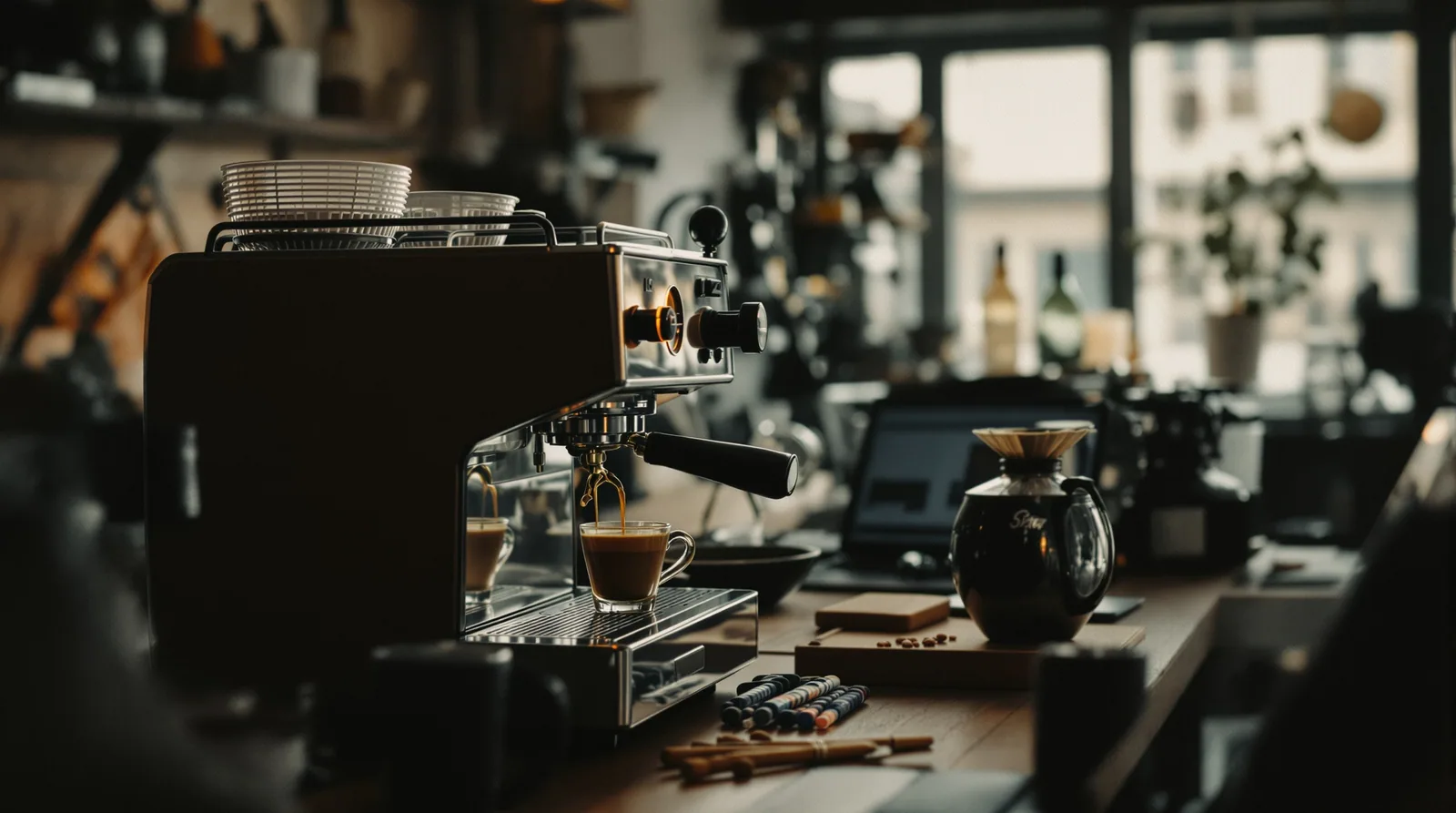
in this guide
- what's the best entry-level espresso machine under $500?
- which mid-tier machines offer the best value?
- what about machines with built-in grinders?
- how do manual and lever machines compare?
- what should you budget beyond the machine?
- which brands and manufacturers matter?
- what's the actual best choice?
- frequently asked questions
- What is the best home espresso machine for beginners in 2026?
- Is the Breville Bambino Plus worth buying instead of the Gaggia Classic Evo Pro?
- What is the difference between a heat-exchanger and a dual-boiler espresso machine?
- Do you need to spend over $1,000 to get good espresso at home?
the best home espresso machines in 2026 include the Gaggia Classic Evo Pro at around $450, the Lelit Mara X in the $1,400 range, the Rancilio Silvia Pro X near $1,800, and the Breville Oracle Jet at $2,000. these machines represent the top picks across budget, mid-tier, and premium categories for home baristas who want cafe-quality espresso without compromise.
the home espresso market has matured dramatically. manufacturers like Breville, Gaggia, Lelit, and Rancilio have refined their machines to the point where a $450 single-boiler can produce genuinely good espresso, while $2,000 buys you features that were unthinkable at home a decade ago. the challenge isn't finding a good machine anymore; it's matching your skill level, budget, and patience to the right tier.
what's the best entry-level espresso machine under $500?
the Gaggia Classic Evo Pro remains the smartest buy at $450. this single-boiler machine has been in production since 1991 with incremental improvements, and that longevity tells you everything. you get a commercial-style 58mm portafilter (the same size cafes use), a manual steam wand with real power, and a 72-ounce removable water tank. the stainless steel construction feels solid, not plasticky.
the trade-off: you're doing everything manually. flip a switch to brew, flip it off when you've pulled your shot, wait for the boiler to heat up for steaming, then steam your milk. there's no PID temperature controller, no programmable shot timer, no automation. you learn to read pressure gauges and listen to your machine. for some people, that's exactly the point. for others, it's a dealbreaker.
one frustration: Gaggia ships this machine with a flimsy plastic tamper that makes proper tamping nearly impossible. budget another $20-30 for a decent metal tamper or your shots will come out under-extracted and sour. that's an annoying oversight on a $450 machine.
alternatives in this range include the Breville Bambino Plus (around $500), which offers faster heat-up times and automatic milk frothing but uses a smaller 54mm portafilter. the DeLonghi Dedica Deluxe sits even cheaper but compromises on build quality. if you're serious about home espresso equipment, the Gaggia's 58mm portafilter and upgrade path make it the better foundation.
which mid-tier machines offer the best value?
the $1,200 to $1,600 range is where things get interesting. the Lelit Mara X (around $1,400) and Rancilio Silvia Pro X (around $1,800) both offer dual-boiler or heat-exchanger designs, meaning you can brew espresso and steam milk simultaneously without waiting.
the Lelit Mara X uses a heat-exchanger system with PID temperature control. you get more consistent temperatures than single-boiler machines, better build quality, and a more refined workflow. the espresso tastes noticeably better than entry-level machines when you dial in your grind and technique. milk steaming is faster and produces finer microfoam.
the Rancilio Silvia Pro X pushes into prosumer territory with true dual boilers and commercial-grade components. it's built like a tank with an industrial aesthetic that looks more workshop than kitchen. the coffee quality edges out the Lelit in side-by-side tastings, though the difference is subtle enough that personal preference and workflow matter more than objective performance.
both machines require real skill. you're adjusting temperatures, timing shots manually, and learning to steam milk properly. neither holds your hand. the Rancilio especially assumes you know what you're doing or are committed to learning.
for $150 less than the Mara X, the Lelit Anna (around $1,250) offers similar functionality with a digital PID controller in a more compact package. it's a single-boiler machine, so you're back to waiting between brewing and steaming, but the PID gives you temperature stability the Gaggia Classic lacks.
what about machines with built-in grinders?
the Breville Barista Touch sits around $1,000 and includes an integrated grinder, automatic dosing, and a touchscreen interface. it's the most beginner-friendly machine in this guide. you select your drink on the screen, the machine grinds, tamps (with some user input), brews, and can auto-froth milk to your specified temperature and texture.
the convenience is real. you're making lattes five minutes after unboxing instead of spending weeks learning manual techniques. the espresso quality is genuinely good, better than you'll get at most chain coffee shops. but you're paying for automation, not ultimate quality. enthusiasts will outgrow this machine once they develop their palate and skills.
the Breville Oracle Jet takes this concept to its logical extreme at $2,000. it includes a Baratza grinder with 45 grind settings, fully automatic tamping, programmable shot profiles, and sophisticated milk frothing. it's as close to a fully automatic machine as you can get while still producing real espresso rather than button-press coffee drinks.
that $2,000 price point is steep, but consider what you're getting: a high-quality grinder that would cost $300-400 standalone, dual boilers for simultaneous brewing and steaming, and build quality that should last a decade. if your alternative is spending $6 per drink at cafes, the math works out faster than you'd think.
how do manual and lever machines compare?
the Flair Classic Espresso Maker represents a completely different philosophy. it's a manual lever machine with no boiler, no pump, no electricity. you heat water separately, pour it into the chamber, and pull your shot using arm strength to generate pressure.
prices start around $200 for basic models. the espresso can be excellent when you nail your technique, but you're doing everything by hand and feel. temperature control requires a thermometer and careful attention. it's slow, deliberate, and appeals to people who find zen in the ritual rather than treating espresso as a morning caffeine delivery system.
the La Pavoni Professional (around $1,000) offers a similar manual lever experience with more refinement and a built-in boiler. these machines look gorgeous and produce wonderful espresso, but they're absolutely not for beginners or anyone who wants consistent results without thinking hard about every variable.
what should you budget beyond the machine?
you need a grinder, and it matters more than most people realize. a $1,500 espresso machine paired with a $50 blade grinder will produce worse espresso than a $450 machine with a $300 burr grinder. budget $200 minimum for something like a Baratza Encore (primarily for drip but acceptable for espresso), $300-400 for an espresso-focused grinder like the Eureka Mignon, or $500+ for serious equipment.
accessories add up: a proper tamper ($20-50), a milk pitcher ($15-25), a scale for dosing ($30-50), and cleaning supplies ($20). you're looking at $100-150 minimum in additions, potentially $300-500 if you buy quality versions of everything.
green or roasted coffee beans represent your ongoing cost. specialty coffee runs $16-20 per 12-ounce bag. you'll use roughly 18-20 grams per double shot, so each bag yields about 15-17 shots. that's $1-1.30 per double espresso, plus milk if you're making lattes. still cheaper than cafe drinks, but not negligible.
which brands and manufacturers matter?
Breville dominates the accessible home market with machines from $400 to $2,000. they're an Australian company that understands consumer appliances and builds genuinely capable espresso machines with more automation and friendlier interfaces than traditional Italian manufacturers.
Gaggia, Rancilio, and Lelit represent Italian espresso heritage. these companies have been building commercial and home machines for decades. their equipment tends toward manual control, commercial-style components, and designs that expect you to learn proper technique.
La Marzocco's home line brings commercial cafe quality to residential kitchens at $4,000-7,000. that's beyond most budgets, but it's worth knowing the ceiling if you get serious about this hobby.
Rocket Appartamento (around $1,800) offers another Italian option with heat-exchanger technology and beautiful design. it sits in the same performance tier as the Rancilio Silvia Pro X with slightly different aesthetics and workflow.
what's the actual best choice?
for most people: the Gaggia Classic Evo Pro. it's cheap enough that you won't feel devastated if espresso doesn't become your daily ritual, capable enough that you can grow into it for years, and standardized enough that you'll find endless online resources for modifications and troubleshooting. yes, you need to buy a separate grinder. yes, the workflow is manual. that's the point. you're learning to make espresso, not pushing buttons.
for people who value convenience and have the budget: the Breville Oracle Jet. you're paying $2,000 to skip the frustrating learning curve and start making good drinks immediately. some coffee snobs will judge you. ignore them. life's too short to spend six months pulling sour shots while you dial in your technique if you'd rather just drink good lattes now.
for enthusiasts ready to commit: the Lelit Mara X or Rancilio Silvia Pro X. these machines assume you know what you're doing or are willing to learn. they'll produce cafe-quality espresso when you develop the skills to match their capabilities. they're also built to last 10-15 years with proper maintenance, making the higher upfront cost more reasonable.
the wrong choice is buying cheap and buying twice. a $200 machine from a no-name brand will frustrate you and teach you nothing except that espresso is hard. start with the Gaggia minimum or save until you can afford something better.
Key takeaway: The Gaggia Classic Evo Pro at $450 is the smartest entry-level buy, but matching your budget and skill level to the right tier matters more than chasing the most expensive machine.
frequently asked questions
What is the best home espresso machine for beginners in 2026?
The Gaggia Classic Evo Pro at $450 is the top pick for beginners who want to learn real espresso technique. It uses a commercial 58mm portafilter, has solid stainless steel build quality, and supports future upgrades. Just budget an extra $20-30 for a metal tamper -- the included plastic one is inadequate.
Is the Breville Bambino Plus worth buying instead of the Gaggia Classic Evo Pro?
The Breville Bambino Plus heats up faster and automates milk frothing, which suits people who want convenience. However, its 54mm portafilter limits your upgrade path. If you plan to grow your skills and invest in better accessories over time, the Gaggia's 58mm portafilter gives you a stronger foundation.
What is the difference between a heat-exchanger and a dual-boiler espresso machine?
A heat-exchanger machine like the Lelit Mara X uses one boiler with a separate internal tube to heat brew water, allowing simultaneous brewing and steaming. A dual-boiler machine like the Rancilio Silvia Pro X has two completely separate boilers, giving more precise independent temperature control for each function.
Do you need to spend over $1,000 to get good espresso at home?
No -- a well-dialed Gaggia Classic Evo Pro at $450 can produce genuinely good espresso. The bigger variable is your grinder and technique, not the machine price. Spending more buys consistency, faster workflow, and better milk steaming, but the jump in cup quality between tiers is smaller than most people expect.