a journal report
the science of coffee flavour
how you actually taste a cup, and why most of it is smell
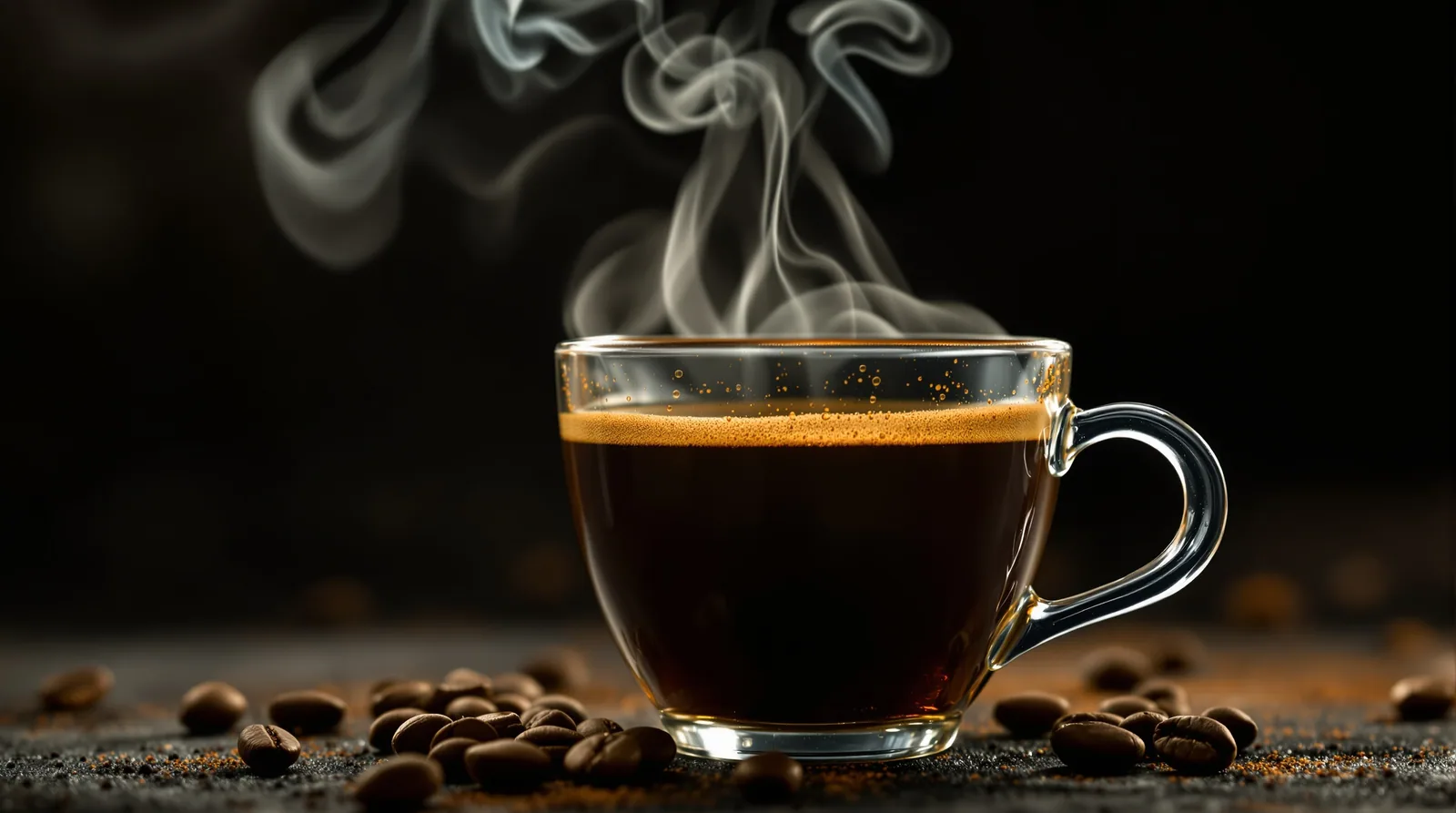
taste and flavour aren't the same thing. once you know the difference, every cup gets more interesting. taste is the handful of signals your tongue can actually send. flavour is the whole picture your brain builds from taste, smell, and the feel of the liquid in your mouth. coffee is one of the most flavour-dense things you'll ever drink, which is exactly why people built a wheel to map it.
here's how the cup actually reaches you, one sense at a time.
taste is only five things
your tongue is blunter than you'd guess. it reports five basic tastes and nothing else: sweet, sour, salty, bitter, and umami. that's the full vocabulary of the tongue on its own. everything else you think you're tasting is coming from somewhere else, and we'll get to that.
sweet in coffee isn't added sugar. it's the caramelised sugars that form when heat browns the bean during roasting. a well-roasted brazil natural leans on this, all milk chocolate and brown sugar.
sour is acidity, and in good coffee that's a compliment rather than a fault. it's the bright, tart lift you get in a kenya aa, where it reads as blackcurrant, or an ethiopia washed lot, where it reads as lemon and bergamot.
bitter is the one everyone fears. a little is correct and gives coffee its backbone. too much usually means something went wrong, and there's a whole section on that below.
salty shows up as a trace, from the minerals in the bean and your water. you rarely notice it on its own, but it rounds the other tastes out.
umami is the savoury one, more common in coffee than people admit. it's that mouth-filling depth in a wet-hulled sumatra, closer to soy or mushroom than to fruit.
most of what you call flavour is smell
try this. pinch your nose shut, take a sip of coffee, hold it, then let go. the flat liquid suddenly blooms into blueberry or caramel the second air moves through your nose again. that's the proof. the large majority of what we call flavour, often put at around 80%, is actually smell.
there are two ways you smell a coffee. orthonasal is when you put your nose over the cup and breathe in. retronasal is when aromas rise up the back of your throat into your nasal cavity while the coffee's in your mouth. retronasal olfaction is the quiet engine behind tasting notes. it's why a head cold turns your favourite coffee into warm bitter water, and why people who say they "can't taste the difference" are often just not breathing through it.
so when a bag promises jasmine, peach, or tobacco, your tongue isn't finding those. your nose is, a fraction of a second later.
why does coffee taste bitter
bitterness gets blamed for a lot. some of it belongs in the cup. the problem is when it takes over and buries everything else.
three things push coffee bitter. over-extraction, where water sits on the grounds too long and pulls out the harsh compounds last. roast level, where a very dark roast develops more of those scorched, ashy notes. and the water itself, too hot or too stale, dragging out more than you want. the chemistry underneath is mostly chlorogenic acids breaking down into bitter acids and lactones as roasting and brewing go further.
the fix is rarely a different coffee. grind a little coarser, shorten the contact time, and pull the water off the boil. if your home cup runs bitter, that's usually a brewing problem, not a bean problem. a brighter origin like an ethiopia won't save a cup that's being over-extracted.
acidity is a good word here
outside coffee, "acidic" sounds like a flaw. inside it, acidity is what separates a memorable cup from a flat one. it's the sparkle, the thing that makes a great kenyan taste alive instead of dull.
the acids doing the work are mostly citric, malic, and phosphoric, plus the chlorogenic acids already mentioned. high-grown coffees from places like kenya and costa rica carry more of them, which is why altitude shows up so often on a bag.
there's a line between bright and sour, and it's worth learning. bright acidity is structured and pleasant, like biting into a good apple. sour is sharp and grating, and usually means the coffee was under-roasted or under-extracted. same family of compounds, very different cup.
body, texture, and the third sense
taste and smell aren't the whole story. there's a third channel, the somatosensory one, and it handles everything you feel rather than taste or smell.
this is body and mouthfeel. the weight of the liquid, whether it's thin and tea-like or thick and syrupy. it's the trigeminal nerve, the same one that registers chilli heat and the cooling of mint. astringency lives here too, that drying, mouth-puckering grip you get from under-ripe or over-extracted coffee.
you can feel the difference between origins with your eyes closed. a sumatra sits heavy and round on the tongue. a washed costa rica feels light and clean, almost like tea. neither is better. they're just built differently.
from a sensation to a shared language
once you can pull a cup apart into taste, aroma, and feel, you hit the next wall: words. one person's "fruity" is another person's "sharp". that's the problem a flavour wheel solves.
the original coffee taster's flavor wheel was published by the specialty coffee association in 1995 and rebuilt in 2016 with world coffee research, based on their sensory lexicon. that lexicon broke coffee down into more than a hundred measured attributes, each with a reference you could actually taste. the wheel turned that research into something you could read at a glance, working from broad families in the centre to specific notes on the rim.
we built our own interactive coffee flavour wheel on the same idea, mapped to the origins we list. tap a note and it tells you what it tastes like and which coffees to find it in.
what actually shapes the flavour in your cup
four things decide what you taste, roughly in this order. first, origin and variety set the raw potential: where a coffee grows, the altitude, the soil, the plant itself. a panama geisha and a workhorse brazil start from completely different places. second comes processing, what happens to the cherry after picking. third is the roast, where the roaster decides how much of that potential to develop or bury. last is the brew, the one part that's actually in your hands.
that order matters because people obsess over the last step and ignore the first three. you can flatten a brilliant coffee with a careless grind, sure. but you can't brew flavour into a bean that never had it. great cups start in the soil.
washed, natural, honey: how processing rewrites the cup
processing is the step most people skip past, and some days it changes the cup more than the origin does.
washed coffees have the fruit stripped off before drying. the result is clean, bright, and transparent, the bean's own character with nothing standing in front of it. most of what a high-grown kenya or colombia tastes like reaches you through a washed process.
natural coffees dry inside the whole cherry, so the fruit slowly ferments into the bean. that's where the jammy, boozy, blueberry side comes from, the thing a natural ethiopia is famous for.
honey and experimental processes sit in between. they leave some fruit on for extra sweetness and body without tipping into the full wild ferment. a costa rica honey lot is the classic example.
none of these is the correct one. they're three different lenses pointed at the same bean, and learning to spot which lens was used is half the fun.
coffee tasting notes, decoded
the words on a good bag aren't there to sound clever. tasting notes are the roaster telling you what they found when they cupped the coffee. "blackcurrant and tomato" on a kenyan isn't poetry, it's a fairly literal map of what's in the cup. "milk chocolate and almond" on a peru is the roaster handing you their notes so you know what to look for.
the catch is that these are clues, not guarantees. your blackcurrant might land as your friend's blackberry, and that's fine. the point of a shared vocabulary isn't to be right, it's to be close enough to talk about. when you taste something you can't name, the flavour wheel is the cheat sheet that gives you the word.
how to taste coffee like a cupper
you don't need a lab. you need a few minutes and a bit of attention. this is roughly how a cupper does it, the same coffee cupping routine roasters use to score a lot.
- smell it first. nose over the cup, breathe in. note the dry aroma of the grounds, then the wet aroma once you add water. half your impression forms here.
- slurp, don't sip. take it in fast and loud so it sprays across your whole palate and sends aroma up the back of your nose. this feels rude and works.
- start broad. don't reach for "blueberry" straight away. decide if it's fruity, sweet, nutty, or earthy first, then narrow down.
- write it down. one or two words per cup. your palate improves faster when you commit to a description than when you keep it vague.
do this across a few coffees side by side and the differences stop being abstract. you'll taste why a natural ethiopia and a wet-hulled sumatra feel like they come from different planets.
what's the difference between taste and flavour?
taste is the five basic signals from your tongue: sweet, sour, salty, bitter, umami. flavour is the full experience your brain assembles from taste, smell, and mouthfeel together. most of flavour is actually smell.
why does my coffee taste sour?
sour usually means under-extraction or an under-developed roast. the coffee's acids are reaching you before the sweetness and body have caught up. try a finer grind, a touch more time, or slightly hotter water, and the sourness softens into brightness.
can you actually train your palate?
yes, quickly. tasting coffees side by side, naming what you find, and using a flavour wheel to put words to it all sharpen your palate within weeks. it's recognition and vocabulary, not a gift you're born with.
how many flavours can a person tell apart?
your tongue manages five basic tastes, but your nose can distinguish a huge range of aromas, into the thousands. that gap is the whole reason flavour feels so rich and why a tasting wheel is useful in the first place.
want to put this into practice? open the interactive flavour wheel, then read about coffee from around the world or browse the roasters working with these flavours right now.