a journal report
why the water in your cup matters more than the bean
water is 98% of what's in the cup. here's what that actually means.
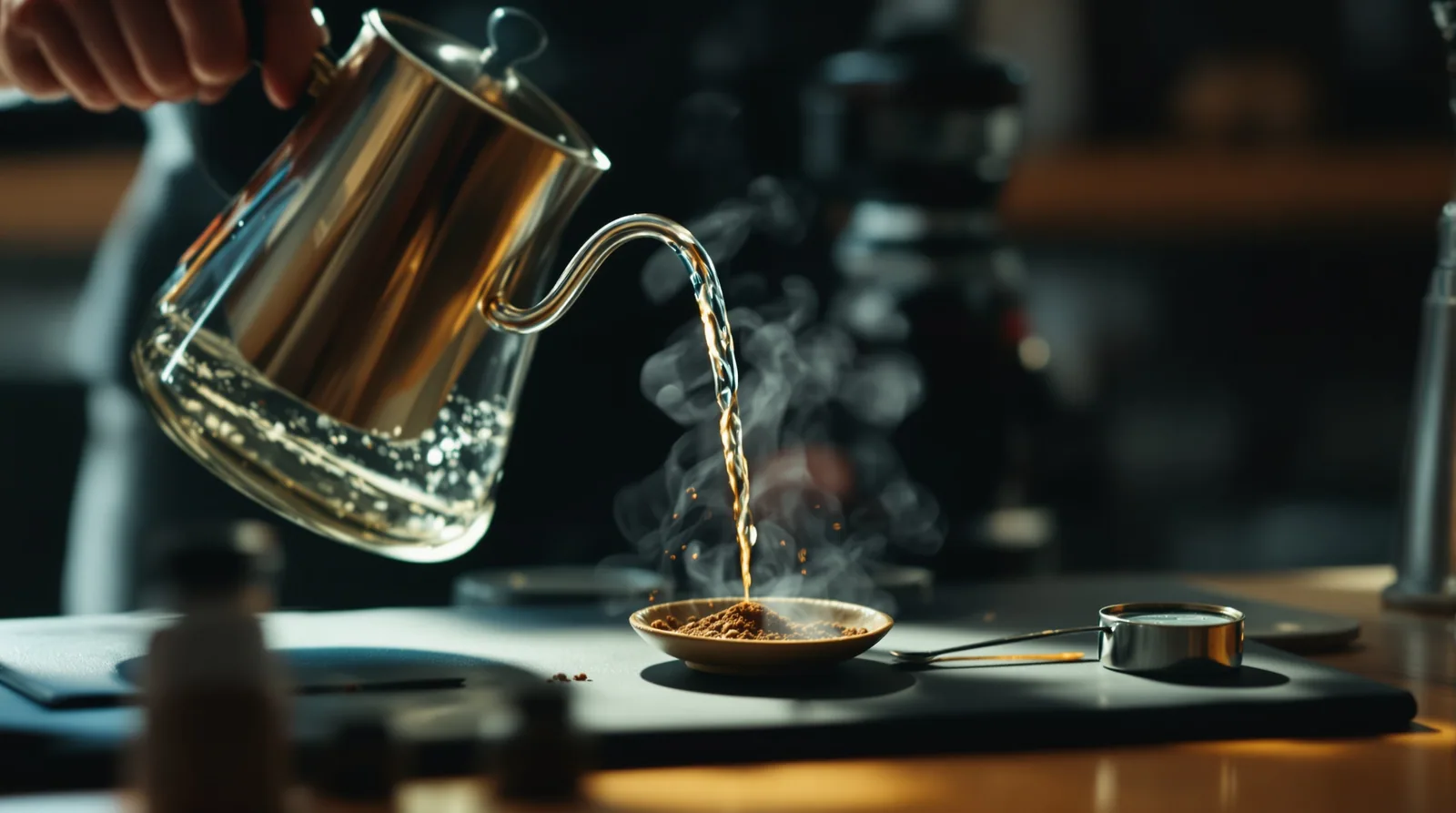
there's a version of the coffee conversation that never leaves the bean. single origin. altitude. processing method. varietal. and all of that matters. but the water you use to brew it is responsible for somewhere between 95 and 98 percent of what ends up in your cup. most people at home run the tap and don't think twice.
a barista at a serious specialty shop does not.
someone posted something online recently called the coffeeodic table, a periodic table parody mapping 24 variables that determine what coffee actually tastes like. water is element one. it's not a coincidence.
hardness and minerals
water hardness is a measure of dissolved calcium and magnesium. soft water, low mineral content, tends to produce flat, under-extracted results. hard water pulls out harsh bitter compounds you never wanted. the sca brewing standard sits around 150 ppm total dissolved solids as a target.
but it's not just the quantity of minerals. the ratio matters. calcium enhances body and sweetness. magnesium amplifies acidity and aroma. some roasters now print their water mineral profile on the bag, alongside origin and process notes, in the same way a wine label lists the soil.
alkalinity and the balance problem
alkalinity is the water's capacity to buffer acids. too much and it neutralises the bright fruity acids in a light roast. you lose the thing that made the coffee interesting. too little and the acidity runs unchecked, turning a clean citrus note into something closer to vinegar.
most municipal tap water runs alkaline. reverse osmosis strips almost everything out, then remineralisation adds back a controlled mineral profile. this is why good specialty shops run an ro system with mineral cartridges rather than filtered tap. it's not pretension. it's the only way to control what you're actually brewing with.
temperature and ratio
water temperature affects extraction rate directly. under 90°c and you pull sour, grassy notes. over 96°c and bitter compounds overextract. 93°c sits near the standard for filter. many specialty shops brew espresso hotter or cooler depending on roast level and origin.
the brew ratio, grams of coffee to grams of water, is where most flavour dialling happens. a 1:16 ratio produces a clean, lighter body. 1:13 or 1:14 concentrates sweetness and structure. it's a starting point for what a specific coffee wants, not a formula that works across all of them.
what extraction actually means
every adjustment a barista makes, grind size, dose, temperature, pressure, contact time, is an attempt to land extraction within a specific window. under-extracted tastes sour and grassy. over-extracted tastes dry, hollow, and bitter. the target is roughly 18 to 22 percent extraction yield, though roast level shifts that window.
pressure matters specifically for espresso. 9 bar is the historic standard. some machines now run variable pressure profiling, ramping up and then down during the shot to change how extraction unfolds over time. it's a significant variable that most home machines can't replicate, which is part of what you're paying for when a barista pulls a properly dialled shot.
crema, aroma, aftertaste
crema is the emulsified layer of co2, oils, and water that sits on top of espresso. it's an indicator of freshness. a very fresh bean produces a lot of it. it's also mildly bitter in itself, which is why some people stir it in and some skim it off.
aroma is largely volatile compounds that dissipate fast. letting your coffee sit for five minutes while you check your phone means losing the best part of it. the cup that arrived at your table two minutes ago is not the same cup it is now.
aftertaste, or finish, is the residue left after you swallow. a long, clean, sweet finish is what a roaster is aiming for. a harsh or astringent finish usually means extraction ran long or the grind was too fine.
total dissolved solids and why they matter
tds is the measure of everything dissolved in your water, minerals, salts, organic compounds. for brewing, the sca targets 75–250 ppm, with 150 ppm near the sweet spot. below that range and the water is too pure to carry flavour compounds efficiently. above it and you start tasting the water instead of the coffee.
a tds meter costs under £15 and takes ten seconds to use. if you're buying good beans and the cup still feels flat, check the water before changing anything else. this is the first variable most home brewers never think to measure and one of the cheapest to fix.
what this means at home
if your coffee tastes flat despite using good beans, the water is the first place to check. if your tap reads above 250 ppm or below 80 ppm, switching to a filtered or remineralised option will change what's in your cup more than any grinder upgrade.
if you're at a specialty cafe, ask about the water profile. most serious shops will tell you. it's a reliable signal of how much they care about the rest of it. the shops that have thought about water are usually the ones that have thought about everything else.
find specialty cafes near you on not another sunday
what is the best water for coffee?
filtered or remineralised water with a tds of around 150 ppm and low alkalinity. soft tap water under 80 ppm produces flat results. hard water above 250 ppm extracts bitter compounds. reverse osmosis water with a mineral cartridge gives you the most control.
does water temperature really matter for coffee?
yes, directly. under 90°c and the extraction undershoots, producing sour and grassy notes. over 96°c and you overextract the bitter compounds. 93°c is the standard for filter coffee. espresso often runs hotter, 94–96°c, depending on roast level.
what is brew ratio in coffee?
the ratio of grams of coffee to grams of water. a 1:16 ratio uses 1g of coffee for every 16g of water, producing a lighter, cleaner body. 1:13 or 1:14 produces a more concentrated, sweeter result. it's the starting point for dialling in any specific coffee.
why does my espresso taste bitter?
usually over-extraction: the grind is too fine, the contact time is too long, or the water is too hot. try a coarser grind or shorter shot time first. if the bitterness persists, check the water temperature and tds.