the best manual coffee grinders for 2026
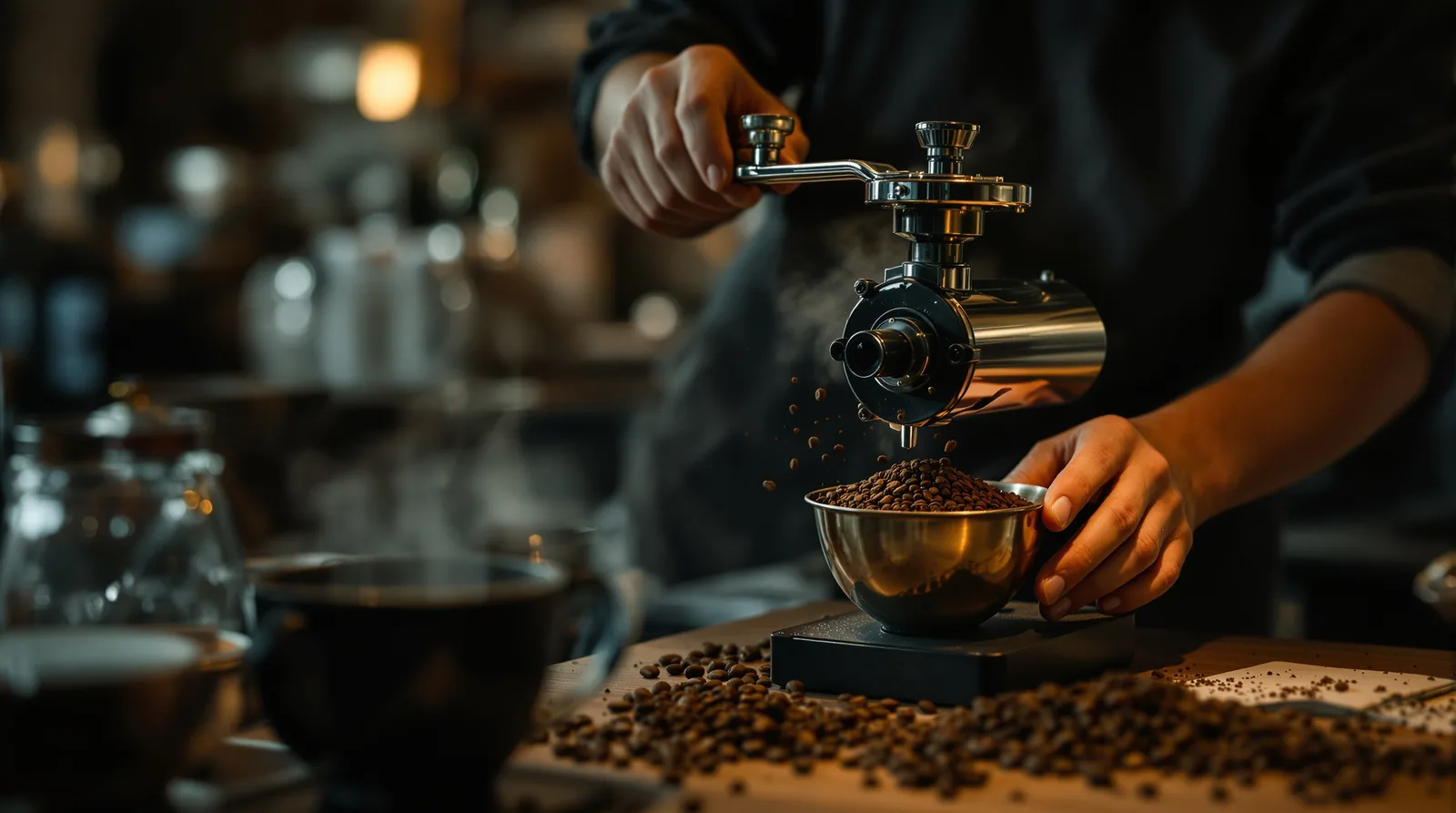
the 1Zpresso J Ultra leads in 2026 for versatility, while the Comandante C40 MK4 excels at pour over and the Timemore Chestnut C3 offers budget performance.
in this guide
- why choose a manual grinder over electric?
- what makes the 1Zpresso J Ultra the top pick?
- how does the Comandante C40 MK4 compare?
- which budget grinder actually performs?
- what about the Kinu M47 for espresso specialists?
- what features matter most in 2026?
- how should you maintain a hand grinder?
- which grinder should you buy?
- frequently asked questions
- Is the 1Zpresso J Ultra worth $200+ compared to cheaper hand grinders?
- How long does it actually take to grind coffee by hand?
- Can a manual grinder really match an electric grinder for espresso?
- What is the best manual coffee grinder under $100?
the best manual coffee grinder in 2026 is the 1Zpresso J Ultra, which delivers exceptional grind consistency across espresso and filter methods thanks to 48mm conical burrs and over 400 adjustment steps at 8 micron intervals. the Comandante C40 MK4 follows closely as runner-up with superior build quality and aesthetics, while the Timemore Chestnut C3 provides the best value under $100.
hand grinders have matured significantly over the past few years, and the 2026 lineup proves that manual grinding can match or exceed the performance of electric grinders costing three to four times more. the key advantages remain portability, zero noise, and precise control over your coffee ritual, but modern hand grinders now feature burr sets and adjustment mechanisms that rival dedicated espresso grinders in consistency.
why choose a manual grinder over electric?
the case for hand grinding goes beyond romanticizing your morning routine. manual grinders eliminate grind retention almost entirely since coffee moves straight through the burr chamber into the catch cup, meaning you get exactly what you grind with minimal waste. they're also genuinely portable: throw a hand grinder in your bag for travel, camping, or office brewing without worrying about power outlets or taking up counter space.
the physical effort required is modest. grinding 18 grams for espresso takes 45 to 75 seconds depending on the grinder and your chosen setting, while coarser settings for pour over or french press take 30 to 45 seconds. this isn't heavy labor, but you do need basic hand strength and the patience to turn a handle before your first cup.
hand grinders also teach you about coffee in ways electric grinders don't. you feel the difference between roast levels, bean densities, and grind settings through direct feedback in your hand. lighter roasts require slightly more effort than dark roasts. single origin beans feel different than blends. you develop intuition about your coffee that becomes useful when dialing in any brew method.
what makes the 1Zpresso J Ultra the top pick?
the 1Zpresso J Ultra wins in 2026 because it handles everything well rather than specializing in one brew method. the 48mm conical burrs are large enough to grind quickly while maintaining consistency across the full adjustment range, from espresso at the fine end to french press at the coarse extreme. those 400+ clicks with 8 micron spacing between each step give you genuine precision: you can make meaningful changes to extraction by moving just one or two clicks.
the build quality is immediately apparent when you pick up the J Ultra. the body is stainless steel with a comfortable grip texture, the adjustment ring has clear markings with satisfying detents, and the handle rotates smoothly even under load. capacity sits around 30 to 35 grams, which covers double espresso shots or single-serve pour overs comfortably. grinding 20 grams for a v60 takes about 40 seconds at medium settings.
the catch cup threads securely onto the body and includes measurement markings, though most users develop muscle memory for their regular doses. one smart design detail: the J Ultra fits inside an AeroPress chamber for ultra-compact travel packing. the grinder typically sells for $200 to $240 depending on retailer and finish options.
for espresso specifically, the J Ultra produces noticeably fewer fines than cheaper hand grinders, which translates to cleaner shots with better clarity. it won't match a $3,000 flat burr electric grinder, but it genuinely competes with single-dose electric grinders in the $500 to $700 range. that value proposition makes it the best choice for home espresso enthusiasts who want excellent results without committing to a large electric grinder.
how does the Comandante C40 MK4 compare?
the Comandante C40 MK4 commands cult-like devotion among filter coffee enthusiasts for good reason. the 39mm stainless steel conical burrs produce exceptionally uniform grinds for pour over methods, with minimal fines and a tight particle distribution that makes brewing predictable and repeatable. many specialty coffee professionals keep a Comandante as their reference grinder for cupping and quality control even when they own expensive electric grinders.
where the Comandante distinguishes itself is build quality and aesthetics. the wooden handle and body sleeve options (available in colors like alpine lagoon, american cherry, racing green, and virginia walnut) make it the best-looking hand grinder on the market. the machining is precise, the components fit together perfectly, and the grinding action is smooth and quiet. this is the hand grinder you leave on your counter as a design object.
the adjustment system uses a numbered ring with 40 main clicks covering the full range from turkish to french press. each click represents a larger jump than the J Ultra's micro-adjustments, which makes the Comandante less ideal for espresso where small changes matter significantly. for pour over, the jumps between settings are appropriate: you might use setting 25 for a v60, setting 28 for a Chemex, and setting 32 for a french press.
capacity reaches 40 grams, slightly more than the J Ultra, and the catch jar is glass with a secure lid. grinding 20 grams at medium settings takes about 50 seconds. the Comandante typically costs $270 to $310 depending on finish options, making it notably more expensive than the J Ultra.
for dedicated filter coffee drinkers who rarely make espresso, the Comandante deserves serious consideration. the grind quality for pour over is arguably superior to the J Ultra, and the experience of using it daily is more refined. but the higher price and limited espresso capability keep it in second place for most users who want versatility.
which budget grinder actually performs?
the Timemore Chestnut C3 separates itself from the pack of cheap hand grinders that flood online marketplaces. at $60 to $80, it costs one-third the price of the J Ultra while delivering 80% of the performance for filter brewing methods. the dual-bearing stabilization system and quality stainless steel burrs produce surprisingly consistent grinds for pour over, drip, and AeroPress.
the C3 uses a stepless adjustment system with numerical markings as reference points rather than detents. this gives you infinite control over grind size but requires more attention to mark your preferred settings, since the ring can shift slightly during grinding if not tightened properly. capacity sits around 20 grams, appropriate for single servings.
grinding feels slightly more effortful than premium grinders due to smaller burrs and simpler bearing systems, but the difference is manageable. expect about 60 seconds to grind 18 grams at medium settings. the aluminum body keeps weight reasonable for travel while remaining durable enough for daily use.
where the C3 shows its price point is espresso performance. it can grind fine enough for espresso, but the particle distribution includes more fines and boulders than premium grinders, leading to less consistent extraction and more channeling. for milk drinks where small extraction differences get masked by dairy, the C3 works adequately. for straight espresso, you'll taste the limitations.
the value proposition is clear: if you primarily brew filter coffee and want a capable travel grinder or starter option before committing to premium pricing, the Timemore Chestnut C3 delivers performance that exceeds its cost. it's the grinder to recommend to friends who are curious about specialty coffee but not ready to spend $200+ on grinding equipment.
what about the Kinu M47 for espresso specialists?
the Kinu M47 Phoenix deserves mention as the premium espresso-focused hand grinder, even though it doesn't claim the top overall spot. the 47mm conical burrs and stepless adjustment system produce exceptionally clean espresso grinds with minimal fines, matching or exceeding much more expensive electric grinders in particle distribution quality.
the M47 features an all-metal construction that feels bombproof, with a forged stainless steel body, magnetic catch cup, and precision-machined adjustment mechanism. grinding 18 grams for espresso takes about 45 seconds thanks to the large burrs and efficient crank geometry. the grinder weighs around 900 grams, making it less ideal for travel but perfectly stable for countertop use.
pricing sits around $300 to $350, making the M47 the most expensive option in this comparison. for dedicated espresso drinkers who rarely brew filter coffee, the investment makes sense: you get grind quality comparable to electric grinders costing $1,000+ in a compact hand grinder format. but for users who want versatility across brew methods, the J Ultra's broader capability and lower price make it the smarter choice.
what features matter most in 2026?
after years of hand grinder evolution, certain features have proven essential while others remain nice-to-have luxuries. prioritize these factors when choosing:
burr size directly affects grinding speed and consistency. grinders with 47mm to 48mm burrs complete the job noticeably faster than 38mm to 42mm designs, which matters when you're hand-grinding daily. larger burrs also tend to produce more uniform particle distributions, though burr geometry and manufacturing quality matter as much as diameter.
adjustment precision determines your ability to dial in espresso and make meaningful changes to filter recipes. stepped systems with 8 to 12 micron spacing between clicks (like the J Ultra) give you real control, while coarser stepped systems (like the Comandante) work fine for filter but limit espresso tuning. stepless systems offer infinite adjustment but require careful marking of your preferred settings.
capacity should match your typical batch size. most hand grinders hold 30 to 40 grams, which covers anything from a single espresso shot to a small pour over. larger capacities sound appealing but increase body size and weight, making the grinder less portable.
build materials affect durability and grinding experience. stainless steel bodies with quality bearings last indefinitely and provide stable grinding, while aluminum bodies reduce weight for travel but can feel less substantial. avoid plastic adjustment rings and catch cups, which wear quickly and feel cheap.
grind retention should be minimal in any decent hand grinder. most designs retain only 0.1 to 0.3 grams between grinds, which is negligible for home use. you can further reduce retention by grinding a few beans to purge between different coffees.
how should you maintain a hand grinder?
hand grinders require minimal maintenance but benefit from basic care. brush out the grounds chamber and burrs after each use to prevent oil buildup, which affects flavor over time. most grinders include a small brush, or you can use a soft paintbrush or dedicated grinder brush.
deep clean your grinder every two to four weeks depending on usage. disassemble the burr carrier according to manufacturer instructions (usually just unscrewing the adjustment assembly), wipe all components with a dry cloth or paper towel, and brush out any trapped grounds. avoid water unless specifically recommended by the manufacturer, since some burr coatings and metal components can rust or corrode.
for particularly oily dark roasts, consider using grinder cleaning tablets every month or two. products like Urnex Grindz work well: grind the tablets as you would coffee, then follow with a small amount of actual coffee to purge any tablet residue. this removes built-up oils that brushing alone can't eliminate.
recalibrate your grinder if the adjustment mechanism starts feeling loose or inconsistent. most quality grinders include instructions for tightening the adjustment assembly or recalibrating the zero point where burrs touch. this takes five minutes and ensures your marked settings remain accurate over time.
which grinder should you buy?
the decision depends on your primary brewing method and budget:
choose the 1Zpresso J Ultra if you want one grinder for everything. it handles espresso excellently, produces clean filter grinds, and costs less than the Comandante while offering more versatility. this is the best choice for most specialty coffee enthusiasts in 2026.
select the Comandante C40 MK4 if you're primarily a filter coffee drinker who values aesthetics and build quality over espresso capability. the grind quality for pour over is exceptional, and the experience of using it daily justifies the premium price for dedicated filter brewers.
pick the Timemore Chestnut C3 if you're starting your specialty coffee journey or need a travel grinder. it delivers solid performance for filter methods at one-third the cost of premium options, making it the smart entry point before committing to higher-end equipment.
consider the Kinu M47 only if you're a dedicated espresso enthusiast who rarely brews filter coffee and wants the absolute best hand grinder for straight espresso. the performance justifies the premium price for this specific use case, but the J Ultra makes more sense for everyone else.
the hand grinder market has reached genuine maturity in 2026, with multiple excellent options at different price points. you no longer need to compromise significantly on grind quality just because you prefer manual grinding, which makes this an excellent time to invest in a quality hand grinder that will last decades with basic care.
Key takeaway: The 1Zpresso J Ultra is the best manual coffee grinder for 2026 because it handles espresso and filter brewing equally well with 48mm conical burrs and over 400 adjustment steps at 8 micron intervals.
frequently asked questions
Is the 1Zpresso J Ultra worth $200+ compared to cheaper hand grinders?
Yes, for most home brewers. The 48mm burrs, 400+ adjustment steps, and stainless steel build deliver consistency that matches electric grinders costing $600 or more. If you brew espresso regularly, the precise 8 micron steps alone justify the price. Budget-conscious brewers can consider the Timemore Chestnut C3 under $100 instead.
How long does it actually take to grind coffee by hand?
Grinding 18 grams for espresso takes 45 to 75 seconds depending on the grinder and fineness of the setting. Coarser settings for pour over or French press take 30 to 45 seconds. Most people find this effort minor and manageable daily, especially since the physical feedback teaches you a lot about your beans.
Can a manual grinder really match an electric grinder for espresso?
Top hand grinders like the 1Zpresso J Ultra produce fewer fines than cheaper electric grinders and rival dedicated espresso grinders costing three to four times more. The precise adjustment mechanism -- 8 microns per step -- gives you control that many mid-range electric grinders cannot match.
What is the best manual coffee grinder under $100?
The Timemore Chestnut C3 is the top pick under $100 in 2026. It offers solid burr consistency and a quality build at an accessible price, making it the right starting point for anyone new to hand grinding who is not ready to invest in a premium model like the 1Zpresso J Ultra or Comandante C40 MK4.