a journal report
what is third wave coffee?
the meaning of third wave coffee, the history behind it, and how to spot it when you walk in.
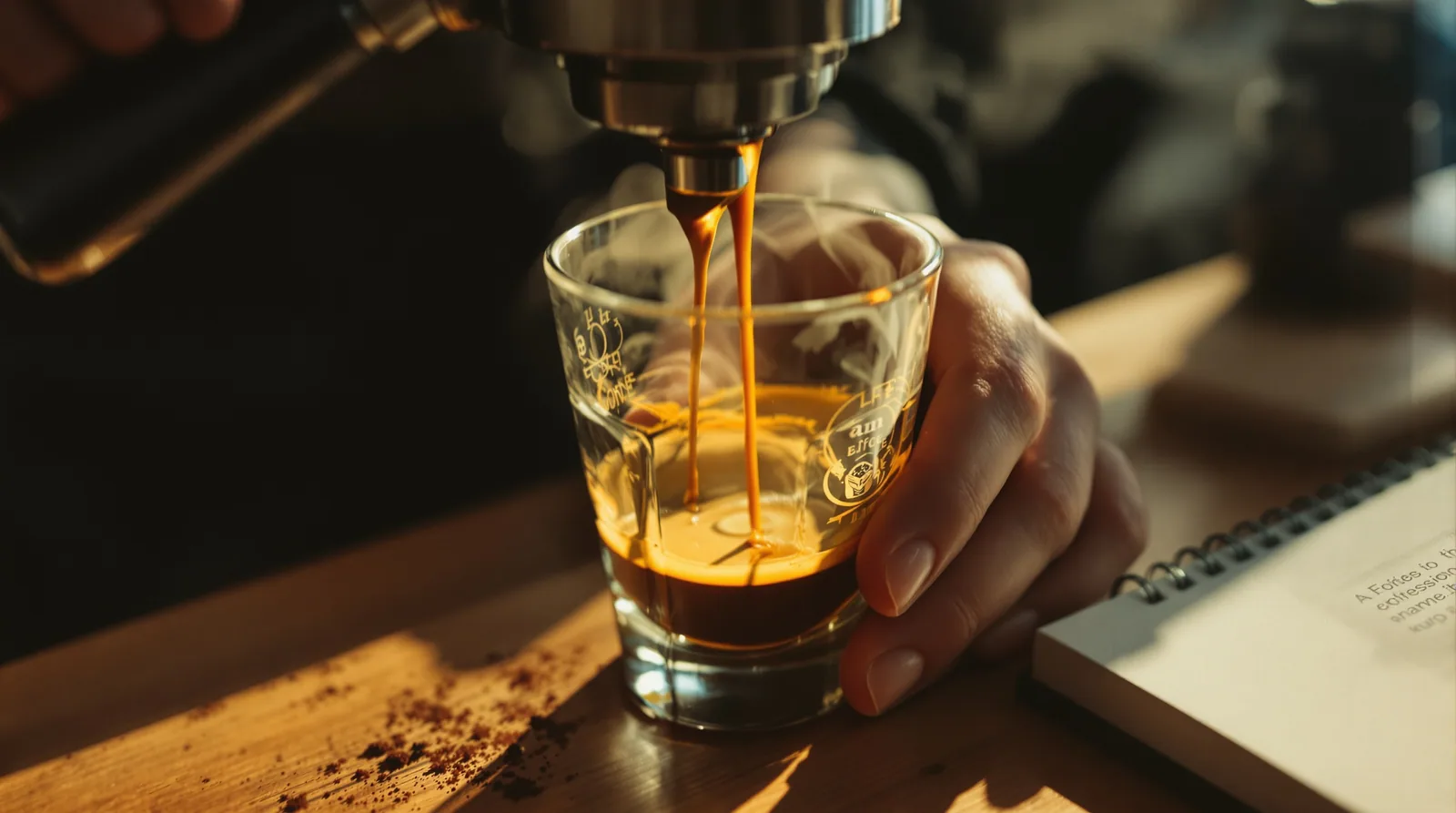
the term gets used a lot. you'll see it on cafe awnings, on roaster packaging, in coffee shop bios. but what it actually means, where it came from, and how to tell if the place you're standing in qualifies as one, is worth understanding properly.
here's the full story, from the commodity era to the question of what comes next.
the three waves, explained
the framing of coffee "waves" comes from trish rothgeb, a us barista and roaster who first used the term in a 2002 essay for the roasters guild. she described three distinct phases in how consumers have related to coffee over the past century.
first wave — roughly 1800s to 1960s. coffee as a commodity. vacuum-packed cans, instant powder, accessibility over quality. folgers, maxwell house, nescafé. the goal was to get caffeine into as many homes as cheaply as possible. nobody was thinking about where the beans came from.
second wave — roughly 1960s to 2000s. starbucks as the defining institution. dark roast espresso culture, the café as a social destination, a vocabulary for ordering coffee that hadn't existed before (latte, cappuccino, and the full ritual of the coffee shop order). quality improved dramatically over first wave, but standardisation and scale were still the point. the bean's origin was irrelevant; the flavour was engineered to be the same in every store.
third wave — roughly 2000s to present. coffee treated as an agricultural product with a traceable origin, a specific terroir, and a producer whose name you might know. light roast to preserve the bean's inherent character rather than burn it into a uniform dark. baristas who can explain what they're serving and why it tastes the way it does.
| | first wave | second wave | third wave | |---|---|---|---| | era | 1800s–1960s | 1960s–2000s | 2000s–present | | example brands | folgers, nescafé | starbucks, costa | blue bottle, workshop, intelligentsia | | roast | dark | dark | light to medium | | focus | accessibility | experience + brand | origin + quality | | sourcing | commodity blend | proprietary blend | single origin, direct trade | | barista role | server | skilled server | craftsperson |
what makes a coffee shop "third wave"?
six signals that tell you a café is operating in the third wave, written for someone who wants to know what to look for when they walk in, not for someone already in the industry.
1. single origin on the menu. the coffee comes from a named farm, cooperative, or region. you know the country, often the producer. "ethiopian natural" or "colombia huila" rather than "house blend." when the origin is named and specific, that's the first signal.
2. light roast as the default. dark roasting hides origin character behind smoke and bitterness. third wave roasters roast to reveal what the bean already is. the resulting coffee is lighter in colour, more acidic, and carries fruit or floral notes that dark roast never lets through. if the coffee tastes like blueberries or lemon curd, that's not flavouring. that's the bean.
3. transparent sourcing. direct relationships with farms, often with producer stories on the bag or on the website. the counterpoint to commodity coffee's deliberate opacity about where beans come from and what farmers are paid. not every third wave roaster achieves full traceability, but the intent to try distinguishes them from second wave.
4. brew method variety. pour over, AeroPress, siphon, Chemex alongside espresso, sometimes instead of it. each method extracts differently, and the method is chosen to suit the specific coffee rather than applied generically. a third wave shop selects a brew method for a reason.
5. flavour notes on the menu. "blueberry, jasmine, brown sugar" is a map of what's in the cup, not decoration. these notes come from the bean's origin, altitude, processing method, and roast profile. third wave baristas can trace those notes back to their source.
6. barista as practitioner. the person making your coffee understands extraction, water chemistry, grind size, and roast profiles. they're not executing a recipe mechanically; they're making a specific thing from a specific ingredient and they can tell you about both.
four or more of these present and you're almost certainly in a third wave shop. one or two and you're probably not. the real test is whether the coffee is treated as an ingredient with its own identity, or as a commodity to be flavoured and standardised.
third wave coffee vs specialty coffee: not the same thing
most articles treat these as interchangeable. they're closely related but they're different concepts.
specialty coffee is a technical grading standard. the Specialty Coffee Association defines specialty grade as scoring 80 or above on a 100-point cupping scale, assessing aroma, flavour, aftertaste, acidity, body, balance, and the absence of defects. it's a quality threshold applied to green beans before they reach a roaster. scoring 80+ means the coffee has no significant defects and has at least some positive distinguishing character.
third wave is a cultural and sourcing philosophy. it describes how coffee is sourced, roasted, brewed, and talked about. a third wave café generally uses specialty-grade beans as a starting point, but the third wave ethos is the whole set of values around transparency, craft, and producer relationships layered on top.
the distinction matters because they can come apart. a chain that buys specialty-graded beans and dark-roasts them into a standardised product is sourcing specialty coffee but not operating third wave. a small roaster doing direct trade, light roast, and careful brew work with 78-point beans is operating third wave in spirit but technically using sub-specialty-grade material. in practice the two overlap heavily, but they have different definitions and one is a score while the other is a movement.
is starbucks second or third wave?
starbucks is second wave.
it industrialised espresso culture, built a global café vocabulary that most people still use today, and moved coffee from the greasy-spoon context into something worth spending money on. that was a genuine cultural shift and calling it second wave doesn't diminish it.
the starbucks reserve line (reserve stores, reserve roasteries) is a third-wave adjacent attempt. single origins, lighter roast profiles, visible brewing equipment, and staff who explain the process. but the core starbucks brand is structurally second wave: dark-roasted proprietary blends engineered for consistency across 36,000 locations, the brand as the product rather than the bean. the reserve line is starbucks attempting to participate in the third wave conversation without restructuring the underlying business model. it's a side project, not a transformation.
the short answer: starbucks introduced millions of people to espresso culture (second wave). a small number of starbucks reserve locations make a genuine attempt at third wave. the 36,000-location chain is not.
which coffee brands are third wave?
there's no official certification. but the following are widely recognised as defining the third wave in their markets, with the caveat that some have grown large enough to sit in genuinely complicated territory.
| market | brands | |---|---| | united states | Blue Bottle, Intelligentsia, Stumptown, Counter Culture, Onyx Coffee Lab, Bird Rock, Verve, Equator | | united kingdom | Workshop, Square Mile, Ozone, Monmouth, Hasbean, Origin, Assembly | | europe | The Barn (Berlin), Five Elephant (Berlin), Tim Wendelboe (Oslo), Koppi (Sweden), Gardelli (Italy), Nomad (Barcelona) | | australia and new zealand | Seven Seeds, ST. ALi, Campos, Proud Mary |
the complicated cases are worth naming. Blue Bottle sold a majority stake to Nestlé in 2017. Stumptown was acquired by JAB Holding Company. Intelligentsia was also acquired by JAB. whether corporate acquisition ends the third wave ethos is a genuine debate: sourcing relationships and roast philosophy can survive a change of ownership, but the incentives of a multinational parent don't obviously align with the third wave's founding values.
in the uk specifically, the third wave arrived slightly differently. the flat white, imported from australia and new zealand in the late 2000s, was the cultural signal. workshop, square mile, and monmouth each built a version of the third wave that was less evangelically american about it, which is part of why london's specialty coffee scene often feels more settled than its us counterpart.
is there a fourth wave of coffee?
the fourth wave doesn't have a settled definition yet. but the conversation is real, the search interest is growing, and several distinct threads are developing in parallel.
hyper-precision. water chemistry dialled to specific mineral profiles for specific origins. AI-assisted cupping and roast logging. extract yield tracked by refractometer on every shot. the application of winemaking-level technical discipline to something that third wave still treated as partly instinct and craft. water chemistry and what it does to your cup is already part of this conversation.
sustainability as the core value, not the differentiator. the third wave made direct trade and producer transparency into marketing signals. the fourth wave argument is that sustainable sourcing and genuine producer equity need to be structural, not promotional. some of the farms supplying the most celebrated third wave roasters still pay wages and use practices that don't survive close examination. a fourth wave focused on regenerative agriculture and fair pricing rather than origin storytelling would be a meaningful advance.
processing innovation. anaerobic fermentation, carbonic maceration, extended washed lots. the experimental processing happening at origin since around 2015 has pushed coffee into flavour territory that the third wave framework didn't anticipate, closer to wine or spirits than to anything that came before. these coffees polarise: some people find them transformative, some find them overwhelming. but they're reshaping what specialty coffee can mean.
quality as baseline, not aspiration. in london, sydney, seoul, and new york, the things third wave coffee fought for (single origin, light roast, trained baristas, flavour notes) have become baseline expectations for a generation of coffee drinkers who never experienced anything else. when the third wave becomes the default, the question of what comes next is genuinely open.
none of this is settled. but the concept of a fourth wave is gaining ground because the questions it raises — who actually benefits from the third wave's transparency claims, and what does real sustainability look like at scale — are the right questions to ask.
where to find third wave coffee
in the uk, the third wave is most dense in london, bristol, manchester, and edinburgh. workshop, assembly, and ozone anchor london's east-leaning specialty scene. square mile in hackney roasts for some of the best cafes in the city. most independent specialty cafes worth visiting are operating third wave whether they use the term or not.
the easiest way to tell before you walk in: look for single origin on the menu, ask what the roaster is (not the grind or the machine, the roaster), and see whether the person behind the bar can tell you where the beans come from. if they can and they seem to care, you're in the right place.
find the highest-ranked independent specialty cafes near you
what is a 3rd wave coffee?
third wave coffee is coffee treated as an artisanal product with a traceable origin rather than a commodity. it prioritises single origin sourcing, light roast profiles that preserve the bean's natural character, transparent relationships with producers, and skilled preparation. the term was coined by trish rothgeb in 2002 to describe a cultural shift in how coffee was sourced, roasted, and served.
what is the difference between 1st, 2nd, and 3rd wave coffee?
first wave coffee (1800s to 1960s) was about accessibility: instant coffee, vacuum-packed cans, caffeine as a commodity. second wave (1960s to 2000s) was about the café experience: starbucks, espresso culture, dark roast, a social destination. third wave (2000s to present) is about origin and quality: single origin beans, light roast, direct trade, baristas who understand what they're serving. each wave raised the floor without eliminating what came before.
is starbucks second or third wave?
starbucks is second wave. it defined the second wave by scaling espresso culture globally. the starbucks reserve line makes a third-wave attempt with single origins and lighter roasts, but the core brand is structurally second wave: proprietary blends, dark roast, consistency engineered across tens of thousands of locations. the bean is not the product; the starbucks experience is.
is there a 4th wave coffee?
a fourth wave conversation is emerging but there is no settled definition. the leading threads are: hyper-precision brewing driven by data and water chemistry; sustainability and producer equity as structural commitments rather than marketing claims; experimental processing methods (anaerobic fermentation, carbonic maceration) that push coffee into wine and spirits flavour territory; and the normalisation of third wave values among younger consumers who treat single origin and light roast as table stakes rather than as something special.