robusta's resurgence: the second-class bean on the rise
once considered the lesser bean, robusta is making waves in 2026. with improved processing methods and a boost in caffeine, it's winning over both purists and newcomers in the coffee world.
in this guide
- the rise of robusta in specialty coffee
- economic factors fueling robusta's growth
- robusta's flavour profile: beyond bitterness
- comparing arabica and robusta in 2026
- a barista's perspective on robusta
- faq
- is robusta actually specialty coffee now?
- why does robusta have a reputation for being bitter?
- how does robusta's caffeine content compare to arabica?
- is robusta more sustainable than arabica?
- where can i find good robusta coffee to try?
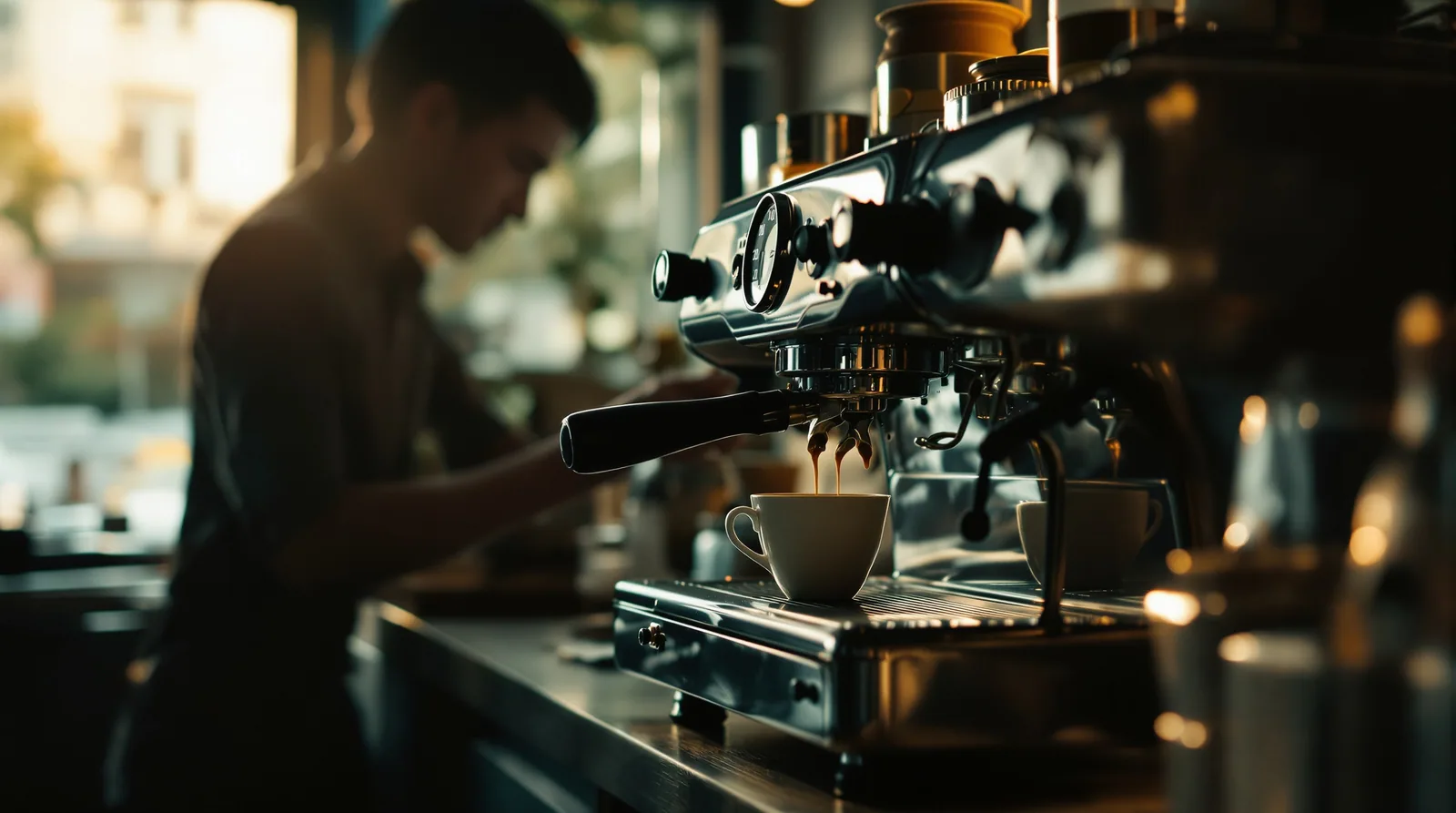
in the dimly lit corner of a brooklyn cafe, the hiss of a 1958 faema urania signals the start of another espresso. but this isn't your average shot. it's a bold vietnamese robusta, handpicked and processed by sahra nguyen's team at nguyen coffee supply. once snubbed as the inferior bean, robusta is now stealing the spotlight. with its high caffeine content and unique processing, this bean's finally shedding its second-class status. even whole foods broke tradition, stocking nguyen's distinctive blends, proving that robusta's comeback is not just buzz.
the rise of robusta in specialty coffee
for most of the last thirty years, specialty coffee's unofficial rulebook had one clear line: robusta stays out. the specialty coffee association's grading standards excluded it almost entirely, and the consensus among roasters was that the bean was for instant blends and nothing more. harsh, woody, rubbery. fine if you didn't know any better.
that consensus is cracking.
what changed isn't the bean. it's what people are doing to it before it reaches the roaster. anaerobic fermentation, natural processing, careful sorting at origin, techniques that transformed how we understand ethiopian naturals and colombian washed lots are now being applied to robusta with genuinely surprising results. miguel meza of paradise coffee roasters put it plainly: "with improvements in quality and processing, you can get fruity flavors. you can get caramel tastes and that mouthfeel that people like in a dark roast, without it being too roasty or sour." he launched the first robusta coffee subscription through his roasting company, which is a notable signal from someone who built his reputation entirely on arabica varietals.
vietnam is at the centre of this. the country is the world's leading robusta exporter, and while it has historically focused on volume over nuance, a new generation of producers is pushing into differentiated processing. the atlantic noted back in 2022 that american coffee experts were beginning to entertain the idea of vietnamese robusta carrying its own gourmet credentials. by 2026, that's not a thought experiment anymore. it's happening.
specialty cafes are still cautious. you won't find robusta-only pour-overs at most third-wave shops. but single-origin robusta espresso? robusta in blends where it's listed and celebrated rather than hidden? that's becoming less unusual.
---
economic factors fueling robusta's growth
here is the thing nobody wants to say too loudly in specialty circles: arabica has become genuinely expensive. supply squeezes, climate disruption in brazil and colombia, and sustained high futures prices have pushed the cost of quality arabica to levels that hurt smaller roasters and make cafe margins even thinner than they already were.
robusta, meanwhile, is having a rebound production year in vietnam, according to royal new york's q1 2026 market outlook. and the economics of the plant itself have always favoured growers. it yields more per acre, grows at lower altitudes, and is less susceptible to the kind of temperature swings and pest pressure that keep arabica farmers awake at night.
the market numbers back this up. the global coffee bean market is forecast to grow from usd 31.2 billion in 2026 to usd 37.8 billion by 2031, and robusta is pulling a meaningful share of that growth. fortune business insights projects the robusta segment will grow at a cagr of 4.89% between 2026 and 2034, faster than arabica. that growth is being driven partly by instant coffee and ready-to-drink formats, but also by something more interesting: rising disposable income in markets that have always preferred bold, strong coffee and are now spending more on quality versions of what they already love.
younger consumers are a factor too. not because they are chasing trends, but because high caffeine content genuinely matters to people with long commutes and longer work hours. robusta contains roughly twice the caffeine of arabica. for a generation mainlining oat milk lattes at 7am, that's not a minor footnote.
---
robusta's flavour profile: beyond bitterness
the bitter stereotype is real, but it's mostly a processing problem, not an inherent flaw.
poorly processed robusta, picked unripe, dried carelessly, or stored badly, is genuinely unpleasant. harsh. rubbery. a flavour that coats the back of your throat and lingers for the wrong reasons. but that description applies equally to badly processed arabica. a terrible washed guatemalan can be just as harsh. we don't condemn the entire species.
good robusta, handled well, offers something distinct. a few tasting notes that come up repeatedly:
- deep cocoa and dark chocolate, without the sour edge you sometimes get from over-roasted arabica
- an earthy, almost woody base that works particularly well in milk drinks
- fuller body and a thicker crema when pulled as espresso, that rich, caramel-coloured foam that clings to the cup
- in anaerobically processed lots, unexpected fruit: fermented plum, dried fig, occasionally something close to red wine
that body is worth pausing on. robusta's higher content of chlorogenic acids and solids means it physically feels heavier in the mouth. for espresso blends, this is genuinely useful. italian roasters have known this for decades. the reason classic roman espresso hits differently from a scandinavian-style light-roast shot is partly arabica terroir, but it's also that many traditional italian blends contain 20 to 30 percent robusta. the texture, the crema, the persistence on the palate. that's robusta doing its job quietly.
---
comparing arabica and robusta in 2026
the old framing was simple: arabica is quality, robusta is cheap filler. that binary made sense in a world where robusta processing was uniformly careless. it doesn't quite hold now.
| attribute | arabica | robusta |
|---|---|---|
| caffeine content | ~1.2% of bean weight | ~2.2% of bean weight |
| growing altitude | 600 to 2,200m | 0 to 800m |
| yield per hectare | lower | significantly higher |
| climate resilience | vulnerable to heat, drought | more resistant |
| specialty market presence | dominant | growing rapidly |
| price trend (2026) | high, volatile | lower, but rising |
| processing innovation | established | accelerating |
| flavour ceiling (best lots) | very high | surprisingly high |
what the table doesn't show is sentiment. arabica still carries the prestige. a specialty roaster launching a new single-origin lot gets more attention if it's a gesha from panama than a natural robusta from vietnam's central highlands. that's changing, slowly. but the prestige gap is real and it matters for pricing power.
honest market picture for 2026: arabica dominates specialty by volume and reputation. robusta is growing fastest and quietly infiltrating segments that arabica has historically ignored or underserved. the two aren't really in competition so much as they're serving different moments. arabica for the saturday morning v60 ritual. robusta for the weekday double shot that actually gets you to the 9am meeting.
---
a barista's perspective on robusta
talk to someone who actually makes the drinks and the conversation gets more interesting.
a barista at a specialty shop in peckham, she'd been pulling shots there for three years when they added a single-origin vietnamese robusta to the menu as a limited espresso option, described the first few weeks as a genuine experiment. "we didn't know how to pitch it," she said. "people would ask what's on the bar and we'd say 'we have a vietnamese robusta today' and get this face. like we'd offered them instant." the crema on it was extraordinary, she added. thick, persistent, darker in colour than the arabica sitting next to it on the machine, and it smelled of dark chocolate and something earthy she kept describing as "forest floor but in a good way." a few regulars hated it. but the ones who tried it double shot over ice came back specifically asking for it the following week.
that's the pattern right now. not a sudden conversion of arabica loyalists. more like a slow accumulation of people who try it without prejudice and find it suits something arabica doesn't. the experience in a cup depends heavily on how it's pulled, too. she dialled it finer than her usual arabica grind, dropped the brew ratio slightly, and found the bitterness dropped back while the body came forward. it rewards the same care arabica does. it just hasn't always received it.
for anyone curious about where to start, a sensible approach:
- try a robusta espresso at a shop that sources it intentionally, not as a blend component, but as the named bean
- ask about the processing method. anaerobic and natural processed lots tend to be more approachable than washed
- go in without the bitterness expectation. let it be what it is
- if you're brewing at home, start with a moka pot or espresso. robusta struggles more in filter formats until you dial it in
- consider a blend first if you're nervous. many italian-style espresso blends use robusta: that familiarity might already be in your cup
---
faq
is robusta actually specialty coffee now?
it depends who you ask, and the definitions are still being contested. the sca's formal grading criteria have historically made it difficult for robusta to qualify as specialty grade, but there's active discussion in the industry about whether those criteria need revisiting. in practice, roasters like paradise coffee roasters and importers working directly with vietnamese producers are applying specialty-level sourcing and processing standards to robusta lots. the coffee may not carry a formal specialty designation, but the approach is the same.
why does robusta have a reputation for being bitter?
most of the robusta consumed globally over the past fifty years has been processed with speed and volume in mind, not quality. unripe cherries, bulk wet hulling, inconsistent drying. any bean treated that way is going to taste bad. the bitterness reputation is a processing reputation, not a species verdict. well-sourced, carefully processed robusta from producers paying attention to quality tells a very different story.
how does robusta's caffeine content compare to arabica?
robusta contains roughly twice the caffeine of arabica, around 2.2% of bean weight compared to arabica's 1.2%. this contributes to its slightly more bitter edge at lower quality levels, since caffeine is naturally bitter. but it also makes robusta genuinely more stimulating, which matters to a lot of coffee drinkers who aren't just drinking for flavour.
is robusta more sustainable than arabica?
in some meaningful ways, yes. robusta grows at lower altitudes, tolerates higher temperatures, yields more per hectare, and is more resistant to the kinds of pests and disease that are becoming more common as climate patterns shift. the atlantic has pointed out that a broader embrace of robusta could help sustain coffee production through the next few decades of climate disruption. that's not a reason to drink it over arabica, but it's worth knowing when you're thinking about what's in your cup.
where can i find good robusta coffee to try?
vietnamese-sourced robusta from producers like nguyen coffee supply is probably the most accessible starting point in the us. in the uk, look for specialty roasters who name their components. if a blend lists vietnamese robusta as a feature rather than an afterthought, that's a good sign. your local independent cafe is worth asking, too. more and more shops are adding robusta options, even if they don't lead with it on the menu board.
so here's where we are: robusta's at the heart of a coffee culture shift. from brooklyn to ho chi minh city, these beans are more than a caffeine kick; they're a statement. as cafes and consumers open up to its bold flavours and buzzing energy, robusta's story is still unfolding, one cup at a time. who would've thought?