discover by origin
land somewhere. taste somewhere.
single-origin lots from 27growing regions, every one sourced from a specialty roaster selling right now. spin the globe and your next cup could come from anywhere - or browse the origins below if you already know what you're chasing.
each entry links to the roaster's page on not another sunday. find the roaster, buy the coffee, taste the origin. see all coffees →
every origin we pour
each one has coffees you can buy today from independent specialty roasters. follow an origin to its full lot index.
colombia
2602 lotshigh-altitude farms in huila, nariño, and cauca. colombia's washed arabicas deliver year-round sweetness - caramel, red apple, mild acidity. a reliable everyday origin.
ethiopia
1618 lotsthe birthplace of coffee. yirgacheffe and sidamo produce the floral, blueberry-forward naturals and clean, citrus-bright washed coffees that set the benchmark for the world.
brazil
1206 lotsthe world's largest producer. cerrado and minas gerais estates output nutty, milk-chocolate, low-acid coffees that anchor espresso blends globally - and increasingly excel as single origins.
guatemala
711 lotsantigua, huehuetenango, and acatenango. volcanic mineral soil plus 1500m+ altitude makes guatemalan coffees consistently complex - dark chocolate, dried fruit, subtle smoke.
peru
656 lotscooperatives in cajamarca and amazonas. peruvian specialty is underrated - soft, sweet, slightly earthy washed coffees at honest prices. worth exploring if you source direct.
indonesia
626 lotssumatra, sulawesi, java. wet-hulled processing gives indonesian coffees their signature body - earthy, dark chocolate, cedar - unlike anything washed or natural.
kenya
601 lotsthe nyeri and kirinyaga highlands. kenya's SL28 and SL34 varietals produce some of the most intensely fruited coffees in the world - blackcurrant, tomato, grapefruit.
costa rica
544 lotsthe tarrazu region pioneered honey processing as a style. costa rican coffees are clean, sweet, and technically precise. the country banned robusta in 1988.
honduras
487 lotsthe most-exported specialty origin you've probably underestimated. santa barbara and copán produce clean, fruit-driven washed coffees at excellent value per cup.
rwanda
376 lotsthe land of a thousand hills and the cup of excellence. bourbon from the southern province produces a consistent stone-fruit and brown-sugar sweetness.
panama
353 lotsgesha country. hacienda la esmeralda put this tiny origin on the map. expect jasmine, peach, bergamot - some of the highest-scoring lots on the planet.
el salvador
284 lotsthe pacamara varietal was bred here, a giant bean that gives big-bodied cups of cocoa, red apple, and panela. most specialty lots grow along the apaneca-ilamatepec range.
nicaragua
258 lotsjinotega and matagalpa produce balanced, fruit-forward coffees at altitude. nicaragua is one of the best-value origins for specialty - the cup quality consistently surprises.
sumatra
240 lotswet-hulled in the gayo highlands and around lintong. this is the bold, savoury cup - cedar, dark chocolate, baking herbs, very low acidity. nothing else tastes like it.
india
199 lotsthe araku valley and coorg. india's monsoon malabar process is unlike any other - low-acid, full-bodied, earthy. the country also produces some exceptional naturals at altitude.
papua new guinea
195 lotsthe eastern highlands and the wahgi valley, much of it grown by smallholders. png coffee is juicy and full, with red fruit and brown sugar, and the quality keeps climbing.
uganda
169 lotsmount elgon and the rwenzori mountains. ugandan specialty is growing fast - the best washed lots are clean and juicy, with a character somewhere between rwanda and ethiopia.
burundi
167 lotskayanza and ngozi. burundian bourbon is some of east africa's most prized - peach, nectarine, citrus zest. production is small and the best lots sell fast.
hawaii
161 lotsthe only coffee grown on us soil, on volcanic slopes in kona and ka'u. smooth, sweet, and low-acid with a clean buttery body. rare, and priced like it.
ecuador
160 lotssome of the highest-grown coffee anywhere, past 2,000m in loja and pichincha. ecuadorian gesha and typica lots come through floral and tea-like, and they're winning at competitions.
tanzania
134 lotskilimanjaro and the southern highlands. tanzanian peaberry from the northern circuit is clean, bright, with red berry notes that earn comparison to kenyan cups.
yemen
78 lotsheirloom varietals grown at altitude without irrigation. yemeni coffees are wild, wine-like, and irreproducible anywhere else. the origin of the word 'mocha'.
vietnam
73 lotsthe world's second-largest grower, long known for robusta, but da lat and cau dat now turn out clean specialty arabica with cocoa and stone-fruit notes worth seeking out.
mexico
68 lotsbolivia
67 lotsthe caranavi region in the yungas, almost entirely smallholder. bolivian coffee is delicate and floral with honey sweetness, and the tiny volumes mean the best lots sell out fast.
yunnan
66 lotschina's coffee frontier, grown in pu'er and baoshan. yunnan arabica has improved fast - soft, sweet, nutty cups with gentle acidity, and genuine competition-grade lots now appear.
hawaiian kona
4 lotsthe narrow kona belt on the big island's volcanic slopes. true kona is smooth and sweet with brown sugar and macadamia, and strict labelling laws guard the name.
a taste of what you could land on
recently added single-origin lots from independent roasters. each has a page, a roaster, and a way to buy.
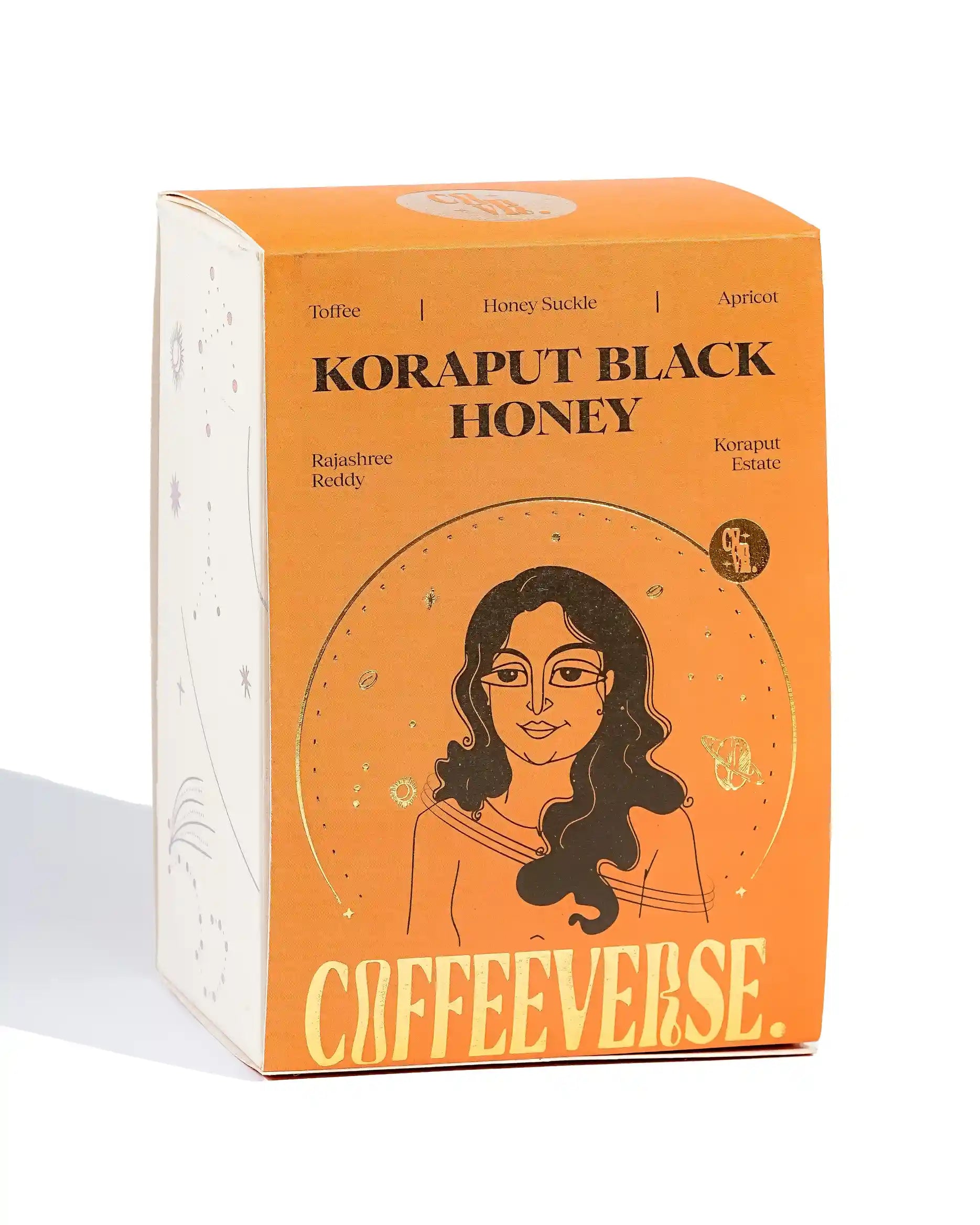
Koraput Black Honey
₹1000india · honey
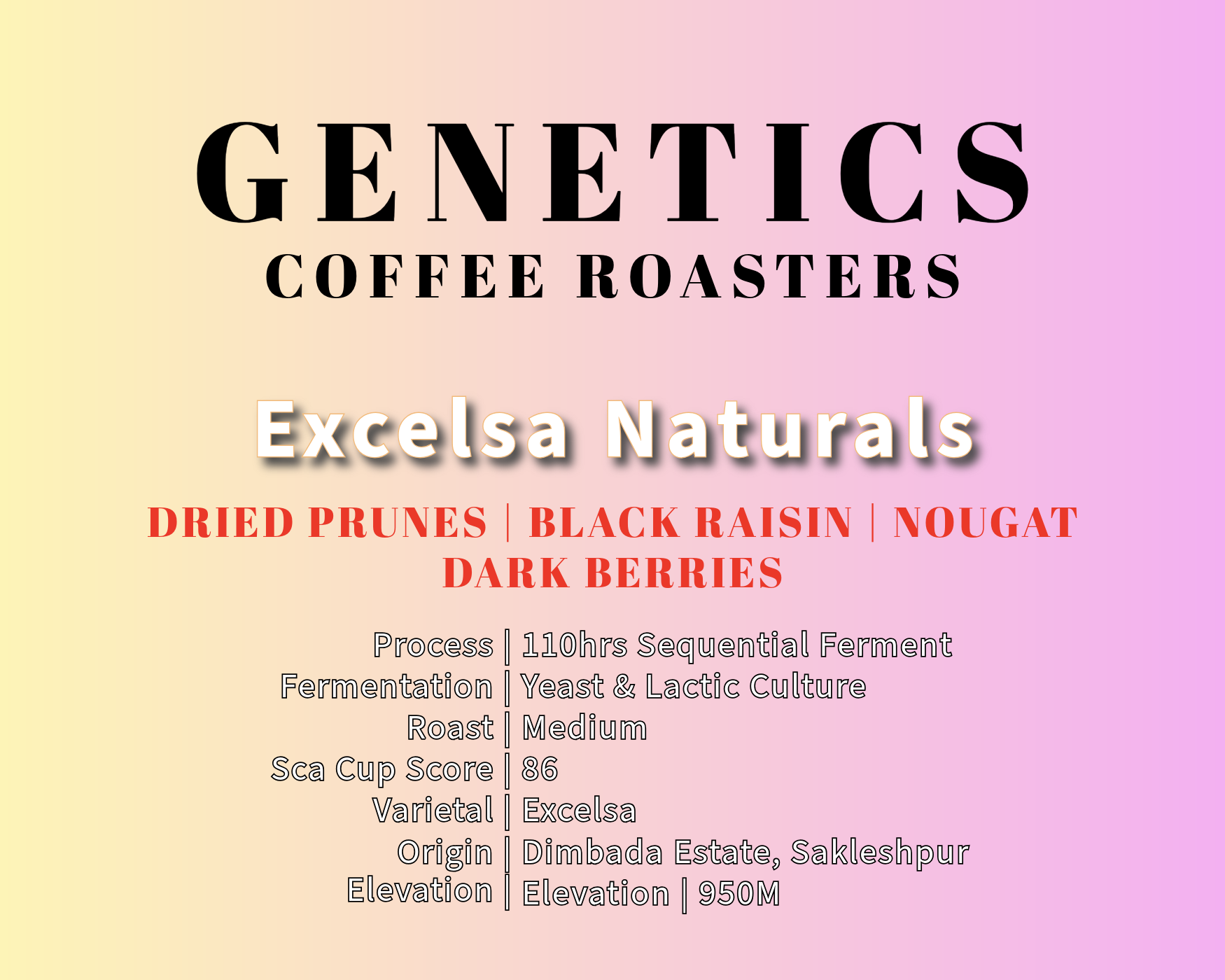
Excelsa Naturals - 110Hrs Sequential Fermented
₹892india · anaerobic
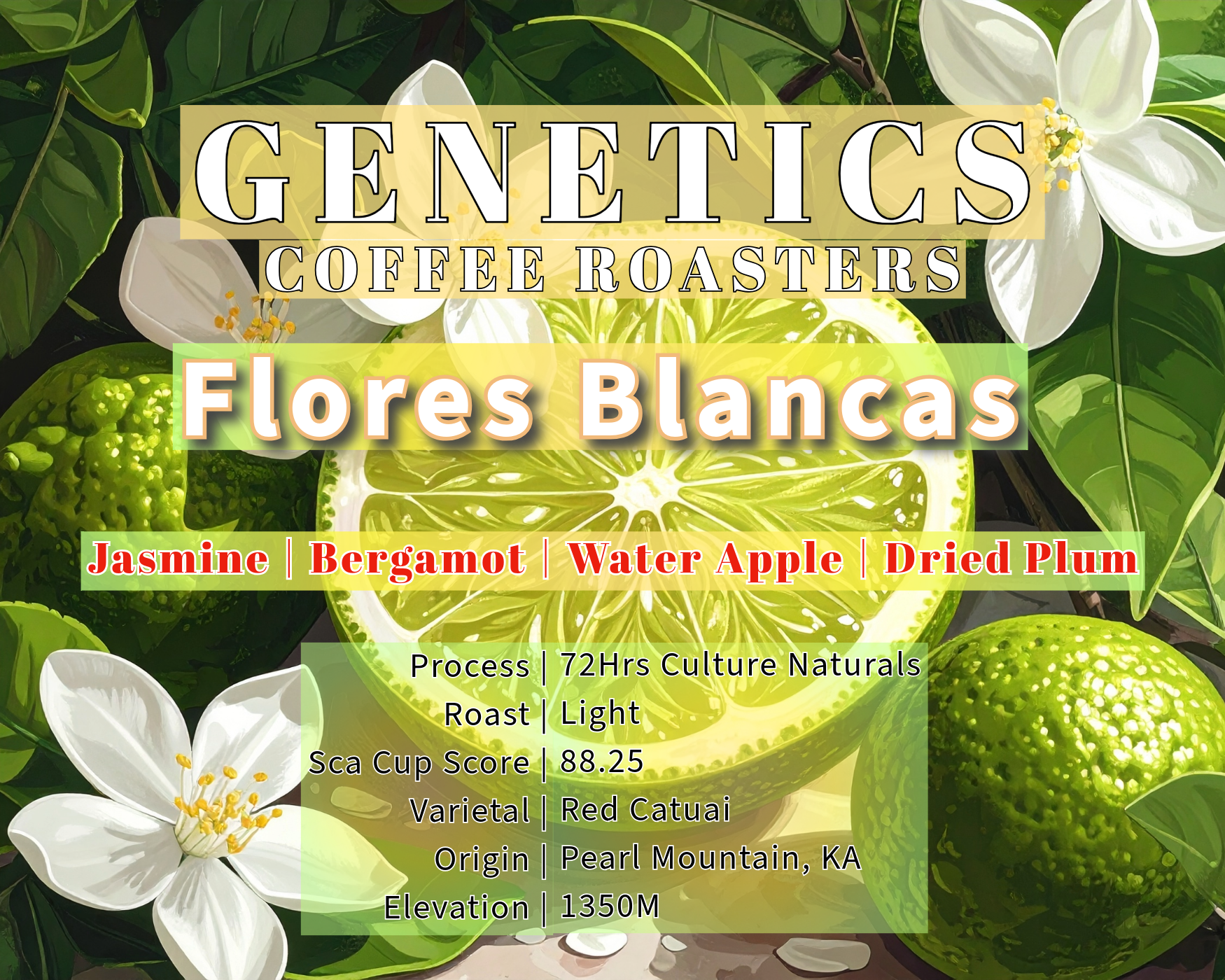
Flores Blancas
₹1250india · experimental
Lot 5
₹900india · anaerobic
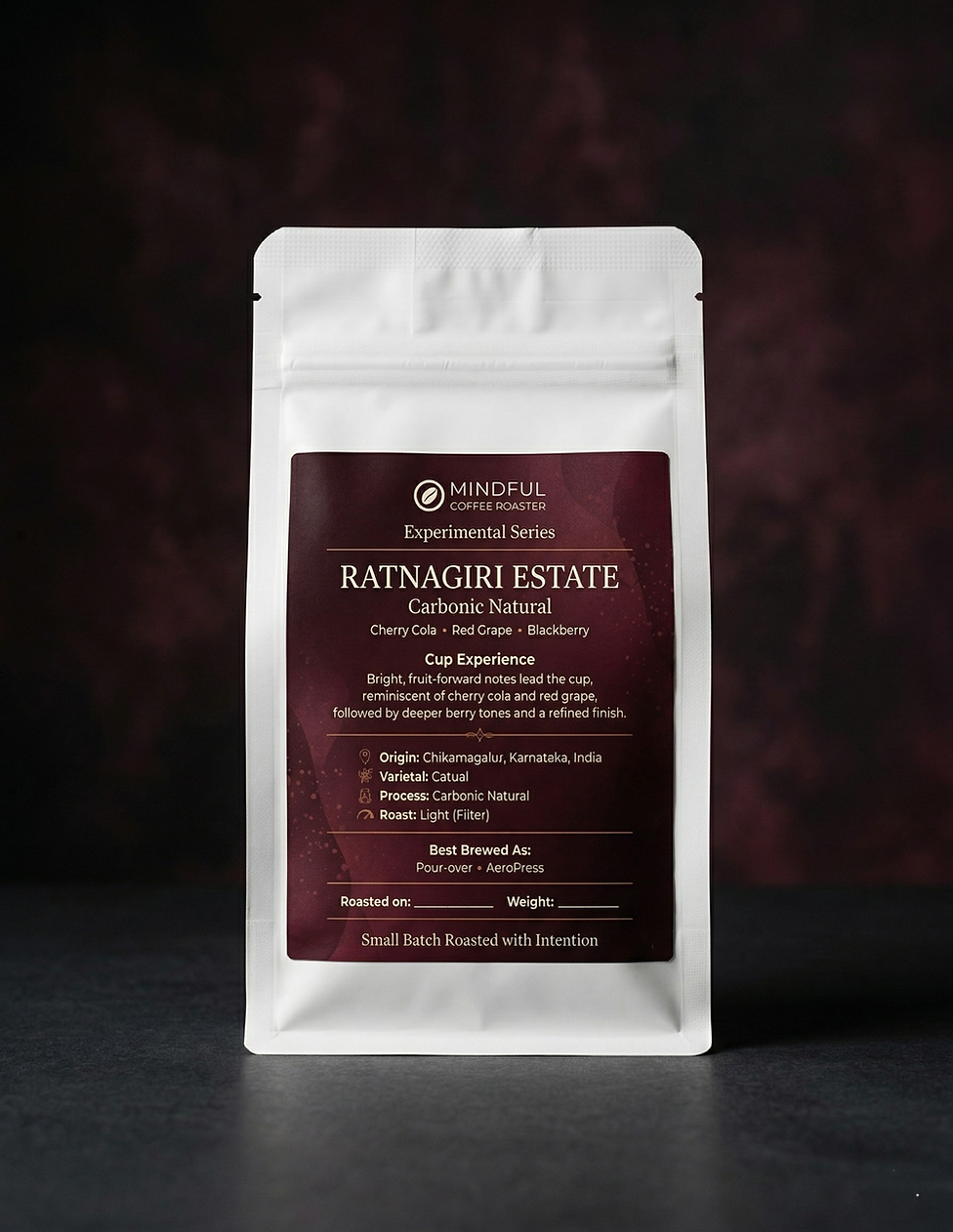
Ratnagiri Estate — Carbonic Natural
₹800india · natural
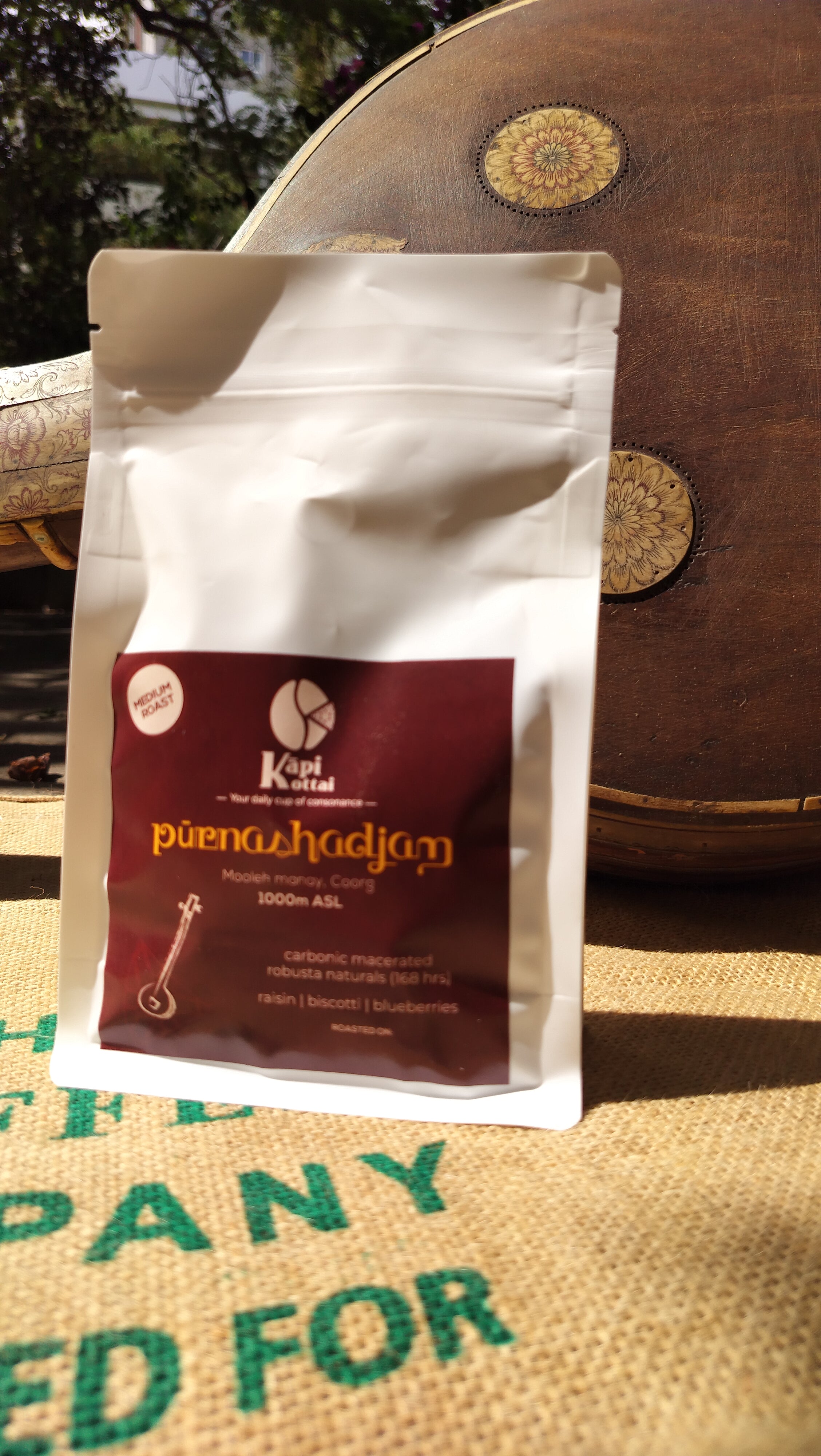
Pūrnashadjam
₹700india · natural
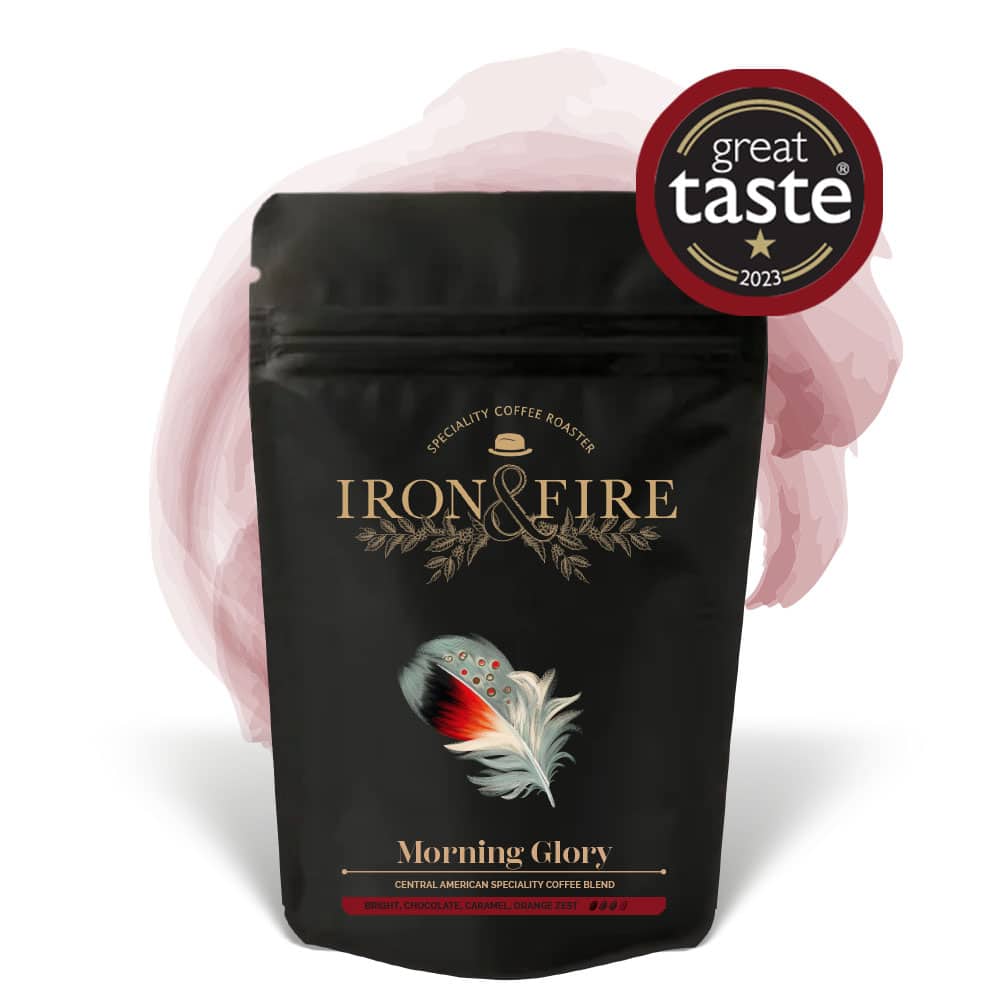
Morning Glory Speciality Blend
£8.1monsooned
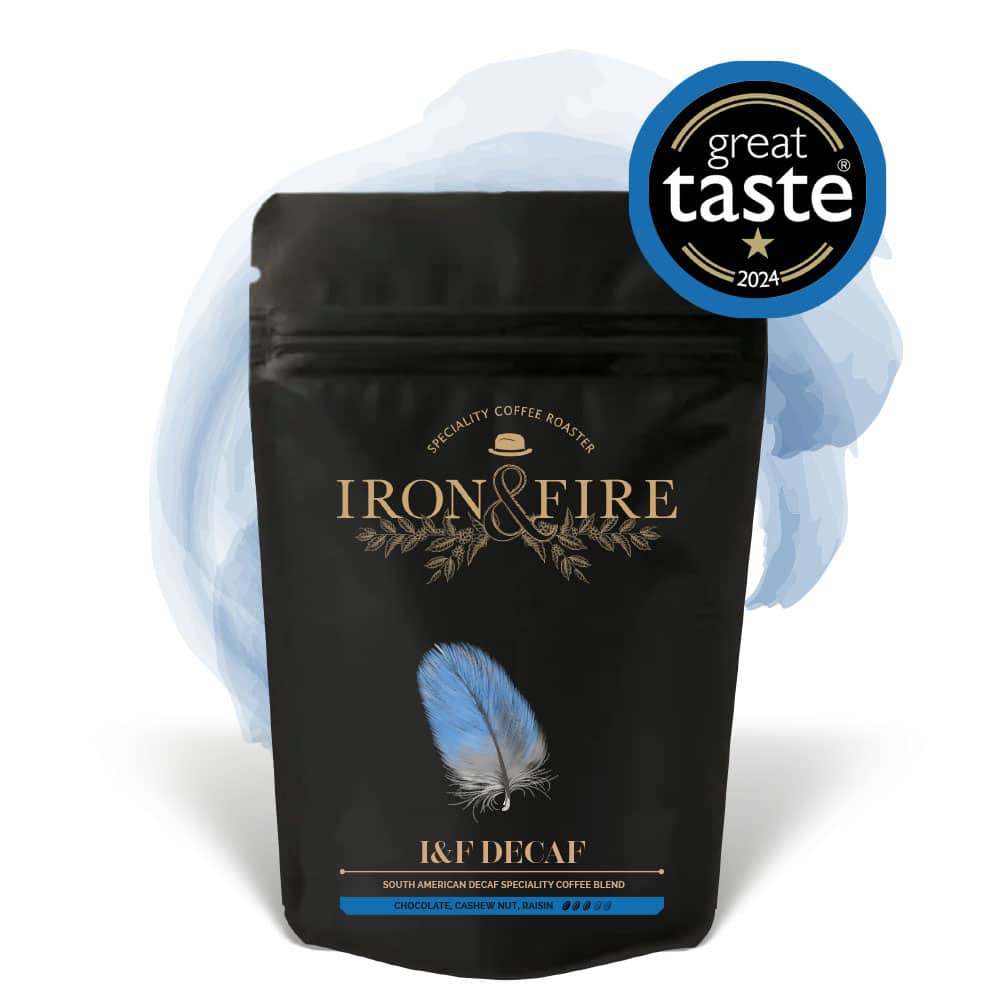
Iron & Fire DECAF Speciality blend
£8.5· decaf
India Monsooned Malabar AA
£8.25india · monsooned
Lo Caf Low Caffeine speciality blend
£8.5washed
Roaster's Choice Speciality Coffee
£8.69brazil
Nicaraguan Jinotega Carbon Project Coffee
£8.1nicaragua · honey
roaster on not another sunday?
137,000+ cafes and roasters listed. claim your profile free, add your single-origin coffees, and get in front of buyers who are actively looking for their next origin. featured tier puts you at the top of every relevant city, origin, and category page.
what is single-origin coffee?
single-origin coffee comes from one specific farm, cooperative, or growing region rather than a blend of multiple origins. the term means you can trace the coffee back to exactly where it was grown - which lets roasters and drinkers taste the distinct character of a particular terroir, variety, and processing method.
single-origin is not a quality grade in itself. a blend can outscore a single-origin lot. what it gives you is provenance and transparency - you know the story behind the cup. at their best, single-origin coffees are the most distinctive and complex you'll taste.
which coffee origin has the best flavor?
it depends entirely on what you enjoy. here's a rough map:
what is the difference between washed and natural process?
washed (wet process)- the fruit is removed before drying, producing a clean, bright cup that lets the bean's inherent terroir and variety come through clearly. most kenyan and colombian coffees are washed.
natural (dry process) - the whole cherry dries with the fruit intact, adding fruity, wine-like sweetness and body. ethiopian naturals and many brazilians use this method.
honey process - a middle ground. some fruit mucilage is left on during drying, creating sweetness without the wild ferment of a full natural. costa rica pioneered the style.
what does specialty coffee mean?
specialty coffee scores 80 points or above on the specialty coffee association's 100-point scale, graded by a certified Q grader. it must be free of category-one defects and have no quakers (underdeveloped beans that taste of raw grain). in practice, specialty means traceable origin, careful processing, and a cup that tastes of something specific - not just coffee.
all coffees on not another sunday are from roasters that self-identify as specialty-focused. we index their individual single-origin lots - not blends. browse specialty roasters →
for the people who run the rooms.
claim your listing in five minutes. upgrade only when it earns you something.