how coffee drying methods shape your cup's flavour
explore how honey, washed, and natural processes define your coffee's taste. each method from fruity to clean tells a unique story in your cup.
in this guide
- a deep dive into processing methods
- how washed method influences flavour
- what makes washed consistent
- the distinct taste of natural processed coffee
- the risk factor
- honey process: the sweet middle ground
- why honey demands attention
- comparing flavour profiles
- a personal coffee journey
- faq
- does processing affect caffeine content?
- is one processing method better than the others?
- why do some bags say "anaerobic natural" or "lactic honey"? are these different?
- can you taste the processing method in espresso, or only in filter?
- does the processing method affect how i should store or brew the coffee at home?
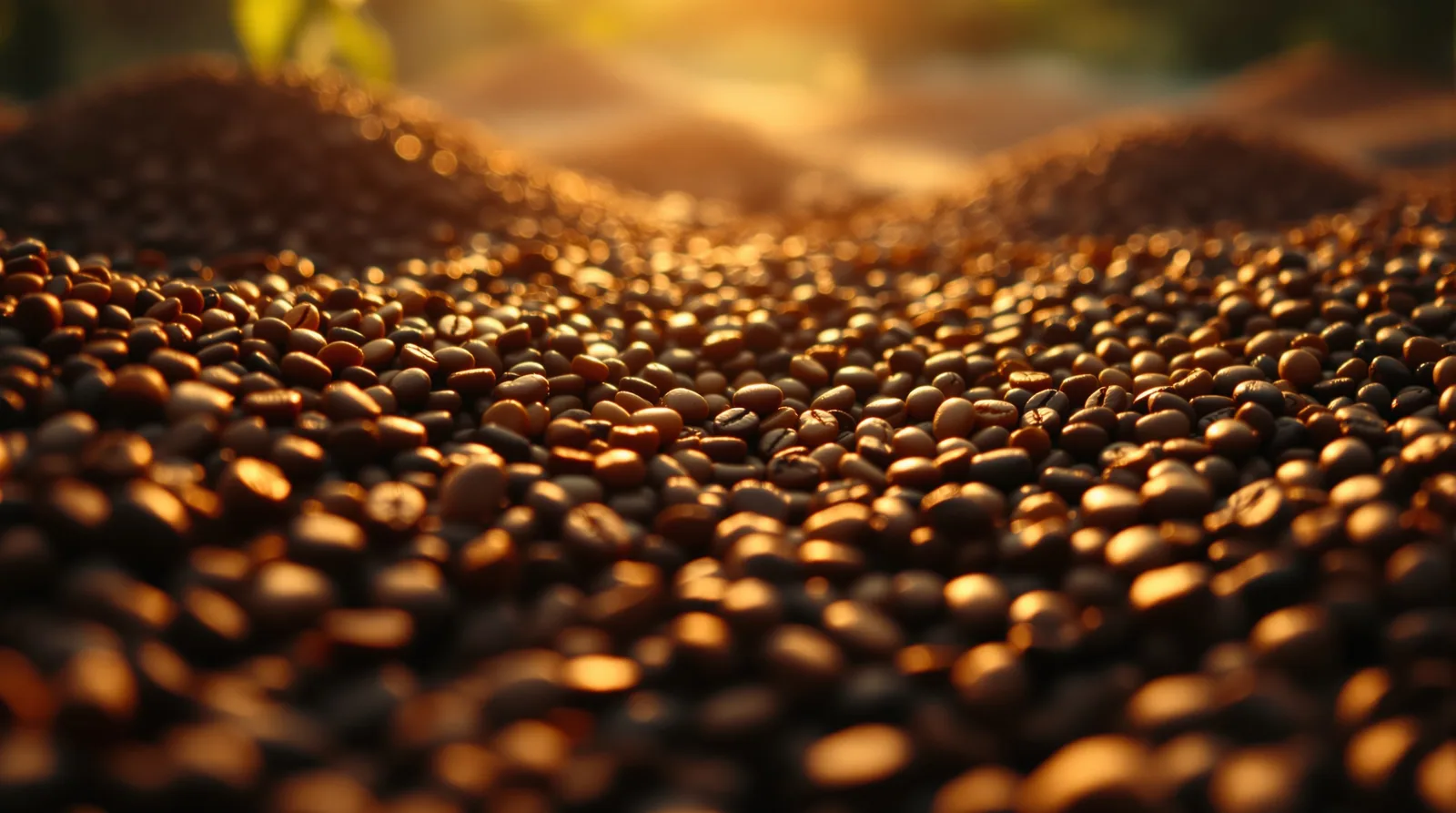
the sweet stickiness catches your eye as you wander past the drying beds at cup & bean roastery. it's honey process coffee, radiating a hue somewhere between amber and mahogany. no bees involved, mind you; just the magic of leaving mucilage on the beans, letting nature's sugars work their magic. the beans, lying quietly under the sun, hint at a journey from cherry to cup that’s far from ordinary. here, it’s all about how the drying method can make or break the brew. and every sip tells a tale of its own.
a deep dive into processing methods
coffee is a fruit. that's not a fun fact to drop at dinner parties; it's the whole point. the "bean" is actually the seed sitting inside a cherry, surrounded by layers of skin, pulp, and a sticky sugar-rich mucilage. processing is how producers get from that fresh cherry to the dried green seed that eventually reaches your roaster. and the method they choose, along with when and how they remove (or keep) those fruit layers, is one of the most powerful flavour decisions in the entire supply chain.
there are three main approaches. washed, also called wet process, strips the fruit away early and ferments the bean in water before drying. natural, or dry process, leaves the whole cherry intact on the drying bed, fruit and all, for weeks. honey sits in between: skin off, but the mucilage stays on during drying, in varying amounts. each produces a distinctly different cup from the same raw material.
geographically, these methods cluster around resources and tradition. washed processing dominates in east africa and central america, where water is accessible and the clean, bright cup style is favoured by producers and buyers alike. natural processing has deep roots in ethiopia and brazil, partly by tradition, partly because arid conditions suit it. honey process has become almost synonymous with costa rica and certain guatemalan farms, where producers have spent years dialling in the ratios. none of this is fixed, though. a lot of farms now run all three methods side by side.
---
how washed method influences flavour
picture a busy washing station in rwanda, early morning. ripe cherries arrive by the sackful, go through a de-pulper that strips the outer skin, and then get tipped into fermentation tanks, concrete vats filled with water where the remaining mucilage breaks down naturally over 12 to 36 hours. a worker drags her hand through the water periodically, checking. when the beans feel gritty rather than slippery, fermentation is done. then they're rinsed thoroughly and moved to raised drying beds.
because all that fruit contact is cut short, washed coffees taste primarily of the bean itself rather than of the cherry. the cup is clean. bright. high in perceived acidity, with fruit and floral notes that feel transparent rather than heavy. you might get lemon zest on an ethiopian yirgacheffe, jasmine on a kenyan aa, or a crisp green apple finish on a guatemalan washed lot. these are flavours rooted in the bean's terroir, the variety, the altitude, the soil, because processing hasn't added a layer of cherry-fruit complexity on top.
what makes washed consistent
the controlled fermentation step is what gives washed coffee its reputation for consistency and quality. because the fruit is removed before drying, there's less risk of uneven fermentation introducing off-notes. it requires a lot of water (an environmental cost that's worth paying attention to) and more infrastructure, which is part of why washed processing tends to sit at the higher end of the price bracket. but when it's done well, the clarity in the cup is unmatched.
if you've ever brewed a washed ethiopian on a v60 and watched the bloom rise slowly, then taken the first sip and found yourself surprised by something almost tea-like, that's the process doing its thing.
---
the distinct taste of natural processed coffee
natural processing is old, probably the oldest method. you pick the cherries, spread them on raised beds or brick patios, and wait. that's the simplified version. in practice, you're turning the cherries multiple times a day, managing airflow, monitoring moisture content, and watching the weather for three to six weeks as the fruit slowly desiccates around the seed. the cherry shrivels from bright red to purple to a dark raisin-like husk. the whole time, the seed inside is absorbing sugars and fermentation compounds from the fruit.
the result is bold. sometimes wild. naturals often carry intense berry notes, think dried blueberry, strawberry jam, or overripe tropical fruit, alongside a fuller body and lower, rounder acidity than washed coffees. a well-made natural ethiopian can smell like a fermenting fruit bowl in the best possible way. some people find it confronting the first time. others fall straight in.
the risk factor
the flip side is that naturals carry real risk. if the cherries aren't turned regularly, or if humidity spikes, fermentation can go sideways fast. over-fermented naturals taste sour in the wrong way, vinegary, or musty. this is not a character quirk; it's a defect. the process is inexpensive in terms of water use but demands near-perfect drying conditions and consistent labour. a bad natural is unpleasant. a great natural, from a farm that's spent years getting the process right, is genuinely unlike anything else in the cup.
---
honey process: the sweet middle ground
the skin comes off, same as washed. but then the beans go straight to the drying bed with the mucilage still clinging to them, no fermentation tank, no rinsing. that sticky layer, which is where the name comes from (not actual honey, as you already know), breaks down slowly over the drying period, contributing sweetness and body to the final cup without the full intensity of a natural.
what makes honey interesting is that it's not one process; it's a spectrum. producers can adjust how much mucilage remains on the bean, giving rise to yellow, red, and black honey classifications. yellow honey has the least mucilage and dries fastest, sitting closest to washed in the cup. black honey retains the most, dries slowly, and trends toward natural territory in terms of sweetness and body. red is somewhere in between.
why honey demands attention
the mucilage layer can promote fermentation if not dried evenly and quickly enough, so producers turn the beans frequently, sometimes multiple times an hour during the first few days. it requires more hands-on labour than either washed or natural, which is reflected in the pricing of quality honey lots. the payoff is a cup that offers caramel sweetness, stone fruit, and a syrupy mouthfeel without the heavier fermentation character of a natural.
it's also, frankly, a great entry point for people who find washed coffees a bit austere but aren't sure they're ready for the full fruit-bomb of a natural. honey sits right in the middle and tends to please a wide range of palates.
---
comparing flavour profiles
here's how the three methods generally stack up across the cup characteristics most people care about. bear in mind these are tendencies, not rules. a masterfully processed natural from a careful producer can be cleaner than a poorly made washed lot.
| characteristic | washed | honey | natural |
|---|---|---|---|
| body | light to medium | medium to full | full |
| acidity | bright, crisp | moderate | rounded, low |
| sweetness | lower | medium to high | high |
| fruit character | floral, citrus, delicate | stone fruit, caramel | berry, tropical, wine-like |
| complexity | high clarity | balanced | high, sometimes funky |
| consistency | most consistent | moderate | most variable |
| water use | high | low | very low |
some things worth noting from the table:
- washed isn't "less fruity," it's more precise about which fruit notes come through, and they tend to read as clean and high-toned rather than rich.
- natural coffees described as "winey" are often expressing genuine fermentation character. that's not a flaw if it's controlled and intentional.
- black honey and natural can be difficult to distinguish in a blind cup, especially from the same farm and variety.
the other factor worth raising is roast level. a light roast amplifies what processing does; a dark roast obscures it. if you want to actually taste the difference between these methods, buy single origins at light or medium-light roast and brew them the same way.
---
a personal coffee journey
i remember the first time processing genuinely rearranged my understanding of what coffee could be. i was working through a flight of three single origins at a roaster in stoke newington (they ran a small cupping bar on fridays, nothing fancy, three ceramic cups, a kettle, a whiteboard). all three were the same ethiopian variety, heirloom, same farm, same altitude. different processing. the washed version was extraordinary: almost like white grape juice, a hint of bergamot, bone dry finish. delicious in a very structured, considered way. then the honey. peach. apricot jam. a warmth in the body that the washed didn't have. and then the natural.
the natural smelled like the inside of a fruit market in summer. the first sip hit like a mouthful of blueberry compote. i nearly put the cup down because it was so far from what i associated with coffee. i didn't, obviously. i finished it, then asked for another.
that flight was the moment processing stopped being a footnote on a bag and started being something i actively sought out. you don't need a formal cupping to do this. buy three bags from the same origin, each with a different process, brew them back to back at home. it's one of the most informative (and enjoyable) experiments you can run as a coffee drinker.
- choose a single origin, ideally ethiopian or costa rican where all three methods are well represented.
- buy washed, honey, and natural versions, from the same roaster if possible to reduce roast-variable differences.
- use the same brew method, ratio, grind size, and water temperature for each.
- brew blind if you can (label the cups underneath, don't look until after tasting).
- note body, acidity, any fruit associations, and aftertaste before checking which was which.
the results tend to be genuinely surprising, even for people who've been drinking specialty coffee for years.
---
faq
does processing affect caffeine content?
not in any meaningful way. caffeine content is primarily determined by the coffee variety and the bean itself, not by whether the cherry was washed, dried whole, or processed with mucilage intact. robusta has roughly double the caffeine of arabica regardless of processing method. if you're buying specialty single origin, you're almost certainly drinking arabica, and the processing is affecting flavour, not your caffeine hit.
is one processing method better than the others?
no. quality exists across all three. washed coffees have historically been associated with higher consistency and premium pricing in the specialty market, but a well-executed natural or honey lot from a skilled producer will outperform a carelessly produced washed coffee every time. it comes down to what flavour profile you prefer and how well the processing was done at origin.
why do some bags say "anaerobic natural" or "lactic honey"? are these different?
yes. these are variations on the core methods, newer experimental approaches where producers introduce controlled fermentation environments, sometimes sealed tanks with no oxygen (anaerobic), sometimes with specific yeasts or added fruit. they can produce intensely unusual flavours, everything from passionfruit to fizzy cola. they're worth trying if you're curious, but they're a step beyond the three core methods. get comfortable with washed, natural, and honey first.
can you taste the processing method in espresso, or only in filter?
both. the characteristics are present regardless of brew method, though they're often more pronounced in filter because the longer brew time and lighter roast level amplify them. in espresso, a natural processed bean tends to produce a sweeter, thicker shot with more fruit in the body. washed espresso often has sharper, cleaner acidity. the processing signal doesn't disappear under pressure; it just reads slightly differently.
does the processing method affect how i should store or brew the coffee at home?
not dramatically. standard advice applies: airtight container, away from light and heat, use within a few weeks of roast date. some argue that naturals, because of their higher residual sugar content and more complex fermentation compounds, degas and evolve faster post-roast than washed coffees. honest answer: the difference is subtle. don't overthink it. buy fresh, store properly, and brew with intention.
next time you're sipping on a light roast with unexpected berry notes or a clean cup with citrus hints, remember it's not just the roast that makes the magic. it's the journey of the bean, from cherry through its drying method, that shapes what you taste. whether it's the honey's sticky embrace, the washed method’s crisp clarity, or the natural process's wild character, each cup is a story waiting to be savored.