how to choose a commercial coffee roaster
match the drum size to your weekly volume, not your ambition: 1kg for a side hustle, 3-5kg for a nano-roastery, 10-15kg for full-time wholesale.
in this guide
- start with output, not size
- drum vs fluid-bed
- gas vs electric
- new vs used
- the costs people forget
- what to do next
- frequently asked questions
- what size commercial coffee roaster do i need?
- is a drum roaster or fluid-bed roaster better for a commercial roastery?
- can i use an electric coffee roaster for commercial production?
- what hidden costs should i budget for when buying a commercial coffee roaster?
choose a commercial coffee roaster by matching drum size to your weekly volume, not your ambition. a 1kg machine suits a side hustle, 3kg to 5kg a serious nano-roastery, and 10kg to 15kg a full-time wholesale operation. then decide drum vs fluid-bed, gas vs electric, and whether to buy new or used.
the most expensive mistake in roasting is buying too much machine too early. an idle 15kg roaster doesn't make better coffee. it just makes a bigger payment.
start with output, not size
| roaster size | realistic weekly output | best for |
|---|---|---|
| 1kg | 5 to 10kg | side hustle, samples, dialing in profiles |
| 3kg | up to ~50kg | nano-roastery, first wholesale accounts |
| 5kg | up to ~100kg | growing wholesale + retail |
| 10 to 15kg | 300kg+ | full-time commercial roastery |
work backwards from demand you've actually proven. a couple of wholesale cafes plus a small subscription rarely needs more than a 3kg to 5kg drum. you can always run a smaller machine more often before you size up.
drum vs fluid-bed
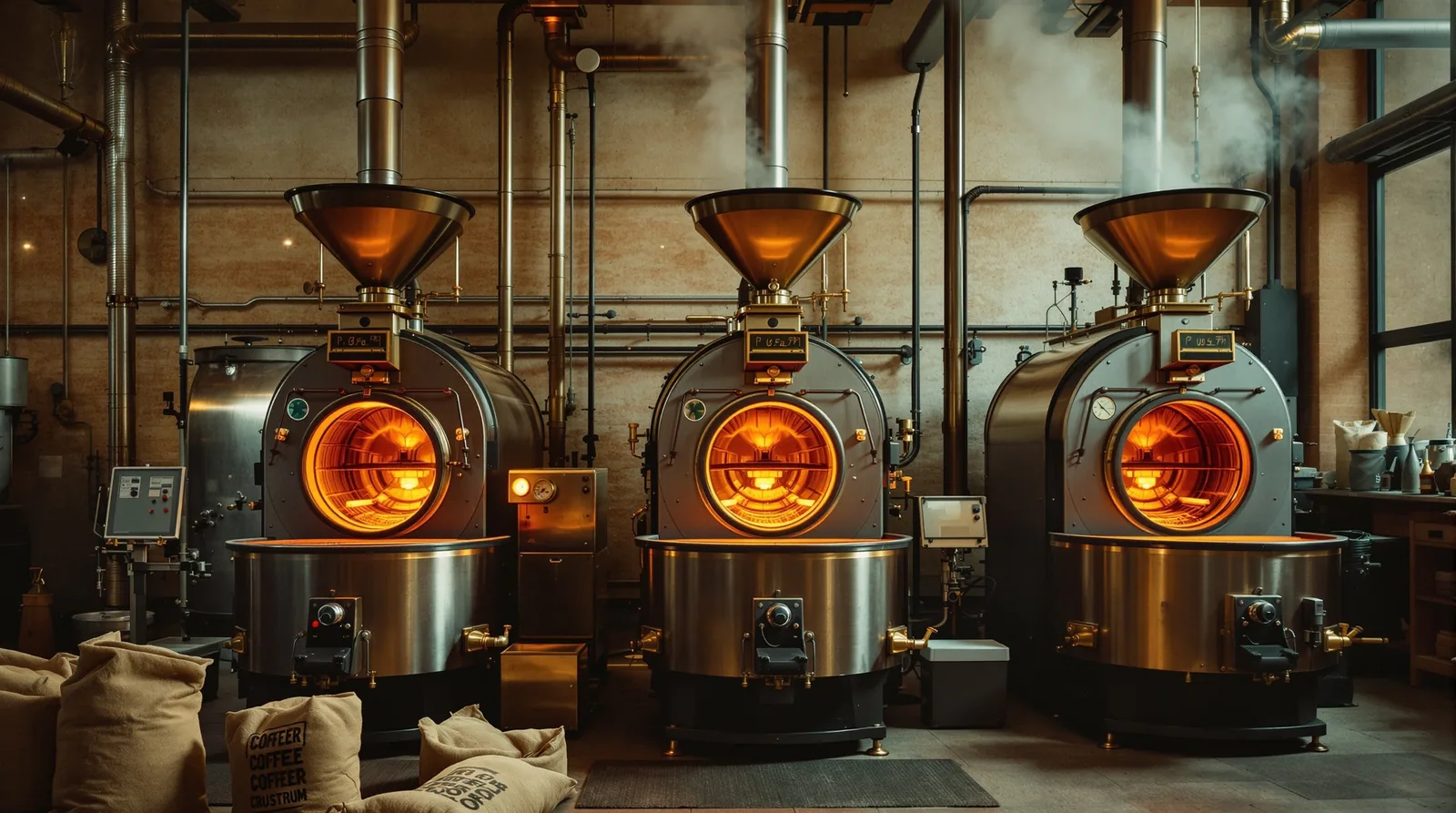
drum roasters are the specialty-coffee default. the bean tumbles against a heated metal drum, which gives you conductive heat, longer development, and the roast character most buyers expect. fluid-bed (air) roasters levitate the beans on hot air. they're faster and cleaner, and they're brilliant for sample roasting, but they tend to produce a brighter, flatter cup that's harder to sell as nuanced. for a roastery selling to cafes, buy a drum.
gas vs electric
gas gives you the most responsive control over the roast curve, which is why most commercial drums run on it. electric is simpler to install, has no gas line or combustion permit, and suits a home or nano setup. the catch: at commercial scale electric machines can struggle to recover heat between back-to-back batches. if you're roasting all day, gas usually wins.
new vs used
a healthy used market exists, and a refurbished older drum from a known brand often beats a cheap new import. but inspect it in person. check the drum for warping, the motor and bearings for noise, the burners for even flame, and ask for the roast-hours history the way you'd ask a car's mileage. compare brands and where each sits in our equipment guide.
the costs people forget
the machine is rarely the whole bill. at commercial scale you'll likely need an afterburner to meet air-quality rules, three-phase power or a gas line, ventilation and ducting, and a destoner to protect the drum. these can add as much as a small roaster on top. sort your permits before you sign a lease, because retrofitting ventilation is brutal.
what to do next
size the machine to demand, then line up the rest: where to buy beans in our green-coffee directory, the full money picture in how much it costs to start a coffee roastery, and the whole launch in how to start a coffee roasting business.
Key takeaway: buy for the volume you have already sold, not the volume you hope to sell -- an idle 15kg roaster just makes a bigger payment, not better coffee.
frequently asked questions
what size commercial coffee roaster do i need?
work backwards from your actual weekly orders. a 3kg drum handles up to around 50kg a week, which covers a few wholesale cafe accounts and a small subscription. most new roasteries overbuy -- start smaller, run more batches, and size up only when demand forces your hand.
is a drum roaster or fluid-bed roaster better for a commercial roastery?
drum roasters are the standard for selling to cafes. they use conductive heat against the drum wall to produce the roast character specialty buyers expect. fluid-bed machines are faster and cleaner but tend toward a brighter, flatter cup that is harder to position as nuanced. for wholesale, choose drum.
can i use an electric coffee roaster for commercial production?
electric roasters are easier to install -- no gas line, no combustion permit -- and work well at nano scale. the problem at commercial volume is heat recovery: back-to-back batches can stall the curve. if you are roasting all day, a gas drum gives you more responsive control and consistent throughput.
what hidden costs should i budget for when buying a commercial coffee roaster?
the machine is rarely the full bill. plan for an afterburner to meet air-quality rules, three-phase power or a gas line, ducting and ventilation, and a destoner to protect the drum. together these can add as much as a small roaster on top of the purchase price -- sort permits before signing any lease.