how to start a coffee roasting business (2026)
starting a coffee roasting business takes $15k to $150k and 6 to 12 months: learn to roast, sort permits, lock a sales channel, then buy the roaster.
in this guide
- the four phases, in order
- what it costs to start
- is it profitable, and what do roasters actually make
- the roaster machine: how big, drum or fluid bed
- where to buy green coffee
- licenses, permits, and the air-quality catch
- how to actually sell it
- the honest part
- frequently asked questions
- how much money do you need to start a coffee roasting business?
- do you need a license to roast and sell coffee?
- is a coffee roasting business profitable?
- what size roaster should a beginner buy?
starting a coffee roasting business comes down to four moves. learn to roast and pass food safety first. sort your permits next. line up at least one paying customer before you spend big. then buy the smallest roaster that fits real demand. budget anywhere from $15,000 for a garage nano-roastery to $150,000+ for a commercial space.
most people get this backwards. they buy a shiny 5kg roaster, fall in love with the smell of first crack, and then go looking for customers. terrible idea. do it the other way around and the whole thing gets easier.
the four phases, in order
- learn to roast properly. sensory training, green grading, reading a roast curve. the specialty coffee association (sca) courses are the industry baseline. start on a sample roaster. or honestly a popcorn popper. dial in two or three profiles you can repeat blindfolded. repeatability is the skill, not theatrics.
- handle the legal side. coffee is a food product. this isn't optional. roasting from home usually falls under your state's cottage-food rules. a commercial premises triggers a health inspection and often an air-quality permit. more on that below because it's the thing that sinks leases.
- lock a sales channel first. one wholesale account, a farmers-market stall, fifty subscription bags a month. you want proof someone will pay before the big spend. not after it.
- buy the roaster last. size it to the demand you've already proven. not the demand you're dreaming about. an idle 15kg machine is just an expensive radiator.
what it costs to start
| setup | scale | rough startup cost |
|---|---|---|
| home / side hustle | popcorn popper to 1kg sample roaster | $1,000 to $5,000 |
| nano / garage | 1kg to 3kg drum | $15,000 to $40,000 |
| commercial roastery | 5kg to 15kg + extraction | $60,000 to $150,000+ |
the roaster is your single biggest line item. but the costs that catch people out are the small recurring ones. a destoner, a shop grinder, scales, valve-sealed bags with date labels. we broke the whole thing down line by line in how much it costs to start a coffee roastery.
is it profitable, and what do roasters actually make
yes. with one honest caveat: the margin lives in your channel mix, not in the roast itself. a 250g bag that costs you roughly $3 to $5 in green coffee, labor, and packaging sells for $14 to $22 retail and $9 to $13 wholesale. that's a 25% to 50% margin per bag.
the math only works at volume though. and volume means accounts. an owner-operator typically needs to be moving real weekly weight before the business pays them a wage. roasting coffee is a good side hustle precisely because you can grow into it one account at a time. you don't have to quit your job on day one.
the roaster machine: how big, drum or fluid bed
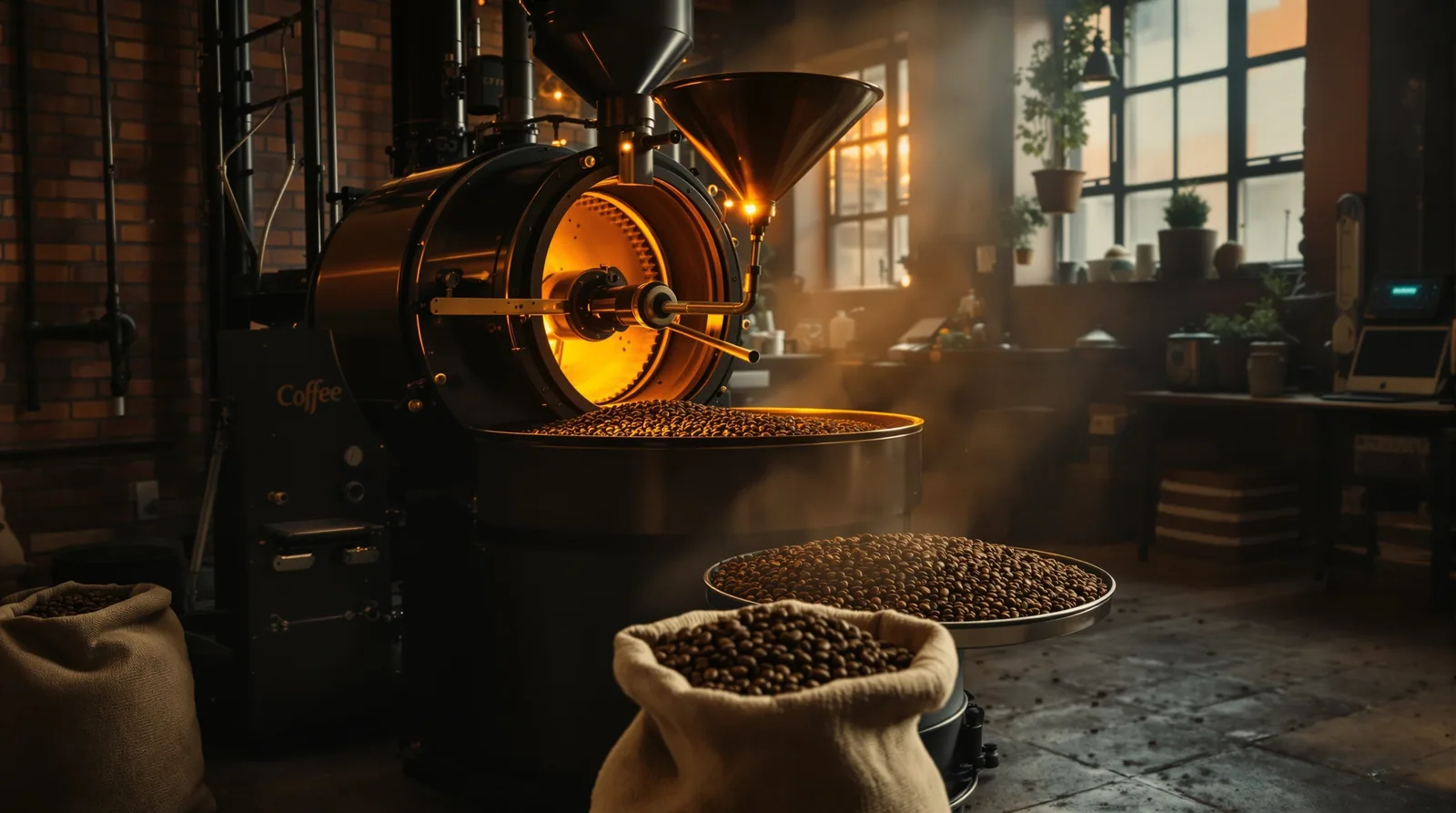
buy for output, not ego. a 1kg roaster covers a side hustle and small wholesale. a 3kg to 5kg drum runs a serious nano operation. 10kg to 15kg is where a full-time commercial roastery starts. drum roasters give you the control and roast character most specialty buyers want. but fluid-bed machines are faster and cleaner. flatter in the cup though. gas gives you the most control. electric is simpler to install. used machines are a real option if you can inspect the drum and burners. browse the machines and where each brand sits on the bar in our equipment guide.
where to buy green coffee
you have two doors. importers carry warehoused lots, usually in full bags of 30kg to 70kg. small-batch sellers split bags so newcomers can buy a few kilos at a time. start split-bag while you find your house style. then graduate to full bags as your volume justifies it. our green-coffee directory lists 154 importers, producers, and co-ops you can source from. with the origins and programs each one carries.
licenses, permits, and the air-quality catch
this is the part nobody warns you about. at home you're usually under cottage-food rules and a food-handler certificate. the moment you go commercial you'll likely need a health inspection. food-safety manager certification. and in most jurisdictions an air-quality or emissions permit. above a certain batch size that permit often requires an afterburner to scrub the smoke. check all of this before you sign a lease. because retrofitting ventilation into the wrong building is the fastest way to burn your startup budget.
how to actually sell it
three channels, usually layered as you grow:
- wholesale to cafes. the backbone of most roasteries. price at roughly 2 to 2.5x your all-in cost. lead with free samples. and sell the cafe a solution to their actual problem: consistent supply, staff training, fast delivery. not just a lower price. the cafes already on not another sunday are 120,082 potential accounts. our wholesale hub is where owners go looking for a roaster.
- direct to consumer. your highest margin and your hardest traffic. branding and packaging do the heavy lifting here.
- subscription. predictable, recurring revenue. the model that smooths out the lumpy cashflow every new roaster fights.
one move people skip: get listed where cafe owners are already searching. claiming a roaster profile on the directory puts you in front of the buyers running the 120,000 cafes above.
the honest part
the businesses that fail almost always make the same mistakes. they buy the roaster first. underprice their wholesale. ignore the air-quality permit until the inspector arrives. never lock a repeatable profile. and romanticize the roast while neglecting the sales calls. avoid those five and you're ahead of most.
ready to go deeper? start with the cost breakdown. then line up your beans in the green-coffee directory and your machine in the equipment guide.
Key takeaway: lock in at least one paying customer before you buy a roaster -- most people do it backwards and pay for it.
frequently asked questions
how much money do you need to start a coffee roasting business?
as little as $1,000 for a home side hustle with a sample roaster, up to $150,000 or more for a commercial roastery with a 15kg drum. the number that catches people out is not the roaster itself -- it is the recurring costs like bags, labels, scales, and a grinder adding up every month.
do you need a license to roast and sell coffee?
yes. coffee is a food product, so permits are required. roasting at home may fall under your state's cottage-food rules, but a commercial space will trigger a health inspection and often an air-quality permit. check local rules before you sign a lease, because air-quality requirements are the thing that kills otherwise good locations.
is a coffee roasting business profitable?
it can be. a 250g bag costs roughly $3 to $5 to produce and sells for $14 to $22 retail, giving margins of 25% to 50% per bag. the catch is that margin only adds up to a real wage at volume, which means you need wholesale accounts or a steady subscription base before the numbers work full-time.
what size roaster should a beginner buy?
buy for the demand you have already proven, not what you expect to grow into. a 1kg roaster covers a side hustle and small wholesale accounts. a 3kg to 5kg drum handles a serious nano operation. only step up to 10kg to 15kg when you have the account volume to justify it -- an idle large roaster is just an expensive radiator.