winning gen z without a mrbeast budget
independent coffee shops are capturing gen z without million-dollar budgets. it's about brand story, community, and authentic connection. here's how.
in this guide
- your unique brand story
- community as your cornerstone
- transparency builds trust
- engaging through visuals
- leveraging digital channels
- personal tales from indie cafe owners
- faq
- does my cafe actually need to be on tiktok?
- how do i compete with bigger chains on price and convenience?
- what's the fastest way to get user-generated content coming in?
- how often should i post on social media?
- is email marketing worth it for a small cafe?
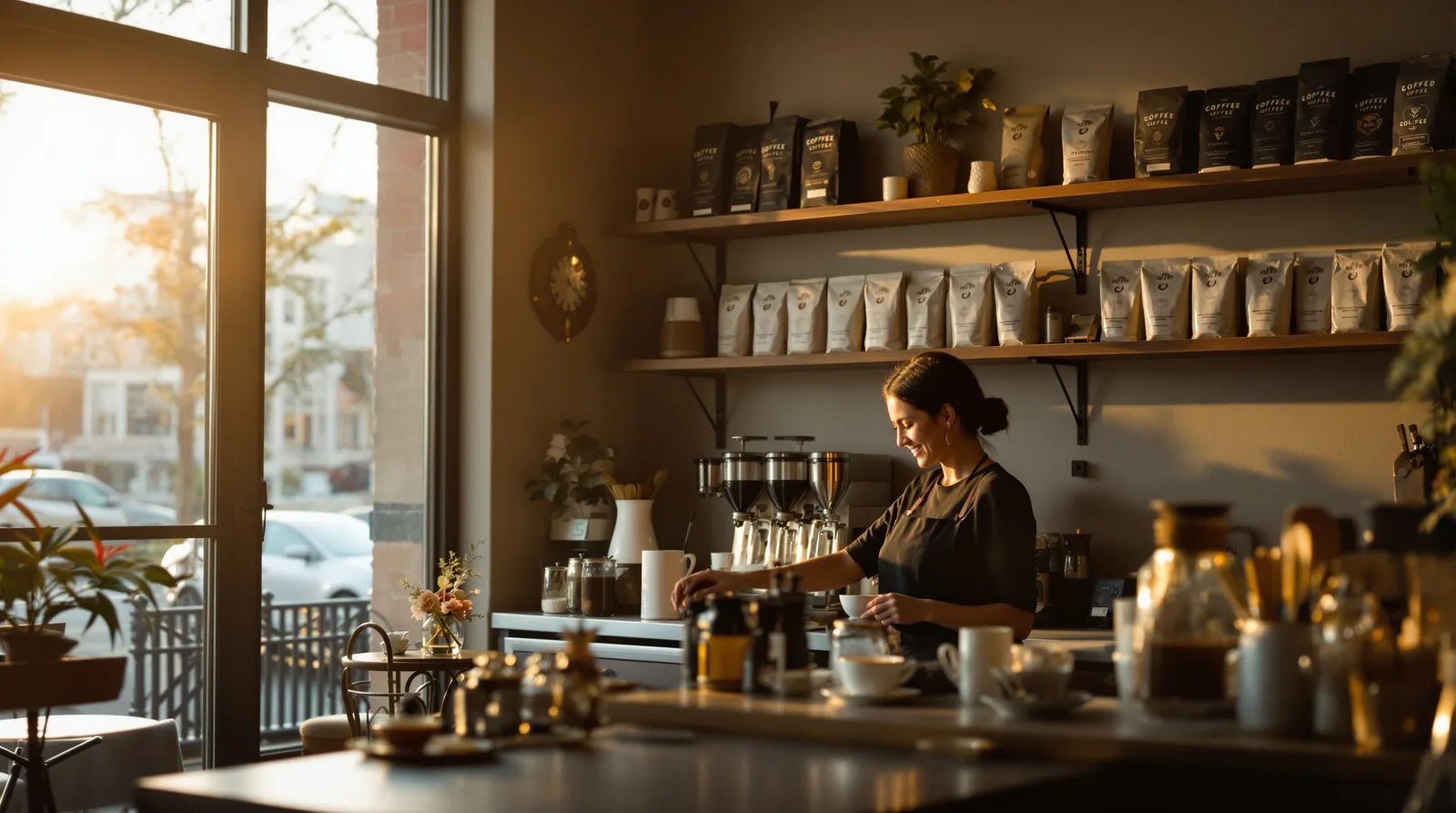
in the heart of brooklyn, in a cozy little nook called "bean and blossom," it's not the latest tiktok star pulling in the gen z crowd. it's a story. the air is filled with the aroma of ethically sourced ethiopian beans, the walls tell tales of local artists and community events, and the barista knows your name, and your order. gen z isn't just looking for caffeine; they're searching for authenticity. they crave places where every cup of coffee tells a tale, where values align with their own. and that's something you don't need a mrbeast budget to create.
your unique brand story
most cafes have a story worth telling. most of them just don't tell it.
not the sanitised version on the "about" page. the real one. why you opened. what you gave up. the roaster you drove three hours to meet because you couldn't stop thinking about their yirgacheffe. that stuff. according to gavina coffee solutions, gen z will buy from a small, unknown brand if its story resonates with their values, sometimes more readily than they'd buy from a household name. so the playing field is more level than you think.
here is the thing about gen z and brand narrative: they're not looking for polished. they're looking for real. a hand-written card explaining why you stock one single-origin colombian instead of five. a staff profile on the wall that's actually a bit awkward and honest. the barista at poco in bermondsey once told a customer that she started pulling shots there because she wanted to stop working for companies she felt embarrassed about. that story went around. cost nothing.
what makes a story land with this generation specifically:
- it involves a decision with stakes, not just a passion
- it connects your values to theirs (sourcing ethics, local economy, environmental impact)
- it's told in a human voice, not brand-speak
- it can be absorbed in under two minutes, whether that's a wall card, a short video, or a caption
you don't need a filmmaker. you need honesty and a smartphone.
community as your cornerstone
gen z treats a cafe differently to how their parents did. it's not just the place you grab a flat white before the train. it's somewhere you bring your laptop, meet your study group, discover a local illustrator whose prints are hanging near the window. the drink is part of it. but the room matters just as much.
building that kind of pull isn't about hosting events for the sake of it. it's about being genuinely useful to the neighbourhood. a quiz night works if you actually care about the people coming. a zine swap on a tuesday morning works if someone on your team is already into that world. the moment it becomes performative, gen z notices. they've grown up watching brands "engage with communities" in ways that feel like a press release.
practical things that actually build community without a big spend:
- partner with one or two hyperlocal makers. not a directory of thirty. one ceramicist, one roaster you believe in, one bookshop two streets away.
- create a regular slot that gives something back. free cuppings, open mic for new musicians, a standing offer to let freelancers use the space before 10am.
- let your regulars shape the menu occasionally. a "you voted, we made it" seasonal drink costs you almost nothing and creates genuine investment.
- use your physical space as a notice board for local life. real community boards, not just your own promotions.
- shout out customers by name (with their permission) on social. not in a cringe way. just genuinely.
the cafes that do this well, places like redemption roasters or the long-standing spots in edinburgh's leith walk corridor, don't manufacture belonging. they just make room for it.
transparency builds trust
gen z grew up with google. if they want to know where your beans are from, they will find out, and if your answer doesn't hold up, they'll notice the gap between your wall copy and the reality. that's the risk of vague sustainability language. "ethically sourced" means nothing now. where, specifically? which farm, which co-op, which certification and why that one?
ripples' 2026 cafe guide puts it bluntly: packaging, sourcing practices, and environmental responsibility all influence where gen z chooses to spend. and hardtank's research on gen z coffee trends shows the experience of the cafe, what it stands for, has become as weighted as the coffee itself.
here's what transparency looks like in practice versus what it often looks like in reality:
| what cafes often do | what gen z actually responds to |
|---|---|
| "sustainably sourced" on the menu board | named farm, country, process method on the menu |
| a logo of a certification scheme | a short explanation of what that scheme actually requires |
| "we care about our community" | named charity or local cause you donate to, with a number |
| vague "eco packaging" claim | specific: "our cups are compostable at x facility, our bags are recyclable kerbside" |
| staff bio with job title only | what they did before, why they're here |
none of this requires a pr agency. it requires you to know your supply chain and be willing to say so out loud.
engaging through visuals
honestly, this is where a lot of independent cafes undersell themselves. you're sitting on visual content that starbucks would spend a small fortune recreating: the steam curling off a ceramic cup on a worn timber counter, the bloom on a fresh v60 pour, the chalk smudge on today's special. that stuff is native content. it doesn't need to be produced.
what gen z responds to visually is more specific than "nice photos of coffee." fifth third's small business marketing research flags two things clearly: diversity in visuals (your actual customers and staff, not stock-adjacent shots of generic hands around cups) and candid storytelling (real moments, not staged ones). a short clip of a barista messing up a latte art pour and laughing about it will outperform a polished product shot almost every time with this audience.
a few practical shifts:
- shoot in natural light whenever possible. the window near your espresso machine at 8am is a studio.
- show the unglamorous bits sometimes. the bag of spent grounds going to compost. the prep at 6am before anyone's in.
- feature your actual regulars, with permission. not models, not influencers you've paid. the phd student who's been in every thursday since you opened.
- vary the format. a still of your new seasonal drink, then a 30-second reel of it being made, then a customer's own post reshared. don't make every frame look the same.
user-generated content is worth more than anything you produce yourself at this point, because gen z trusts their peers more than they trust brands. ask for it. make it easy. give people something worth photographing.
leveraging digital channels
you don't need to be everywhere. that is possibly the most useful thing anyone can tell a small cafe owner about social media in 2025. pick two platforms, do them with some consistency, and actually engage with the people who respond. that's the whole strategy.
tiktok is where 49% of gen z learns about coffee, according to us chamber of commerce research citing mintel data. instagram is still strong for visual discovery and local search. if you have capacity for one short-form video a week and three or four still posts, that's enough to build a following, if the content is genuine.
what works at small-cafe scale:
- behind-the-scenes clips from the cupping table or during bag delivery from your roaster
- day-in-the-life content from different staff members (not just the owner)
- limited-time drink drops announced via stories or reels, with a sense of urgency
- location tagging, consistently, so you show up in local searches
- geo-targeted promotions tied to local events: a discount push notification to students on the street during exam season, for example
batch your content. a reddit thread on cafe social media strategy put it well: plan 24 posts at once, schedule them, and spend your daily time actually talking to people in the comments rather than constantly creating. the algorithm rewards engagement, not just volume.
email is still underrated for this age group, especially if you can personalise it. birthday offers. a note about the new seasonal menu. a short story about the farm your current espresso comes from. keep it short and human and it will get read.
personal tales from indie cafe owners
jess, who runs a small spot in peckham, put it to me like this: "i posted one video of me crying after we nearly had to close during a rent dispute. i didn't plan it. i just filmed myself being honest. it got more engagement than anything we'd ever posted, and three people came in the next morning specifically because they'd seen it and wanted to support us."
that's not a marketing strategy. that's just being a human in public. and that's what independent cafes have that chains can't replicate, no matter what they spend on partnerships with youtube creators. the personal stakes are real. the owner is actually there, behind the bar, smelling of coffee grounds at 2pm on a wednesday.
another owner, running a roastery-cafe in sheffield's kelham island area, started doing origin story posts every time they got a new single-origin in. not a tasting note card. a proper story: who grew it, what the harvest was like that year, why he chose it over three other lots he'd cupped. sales of that coffee were noticeably higher than any other retail bag they'd offered. gen z doesn't just want to drink the coffee. they want to feel like they understand it.
the comparison with starbucks's mrbeast play is instructive here. coffee intelligence reported that starbucks is essentially paying to borrow cultural relevance because it can't generate it organically anymore. mobile ordering friction, price hikes, and a muddled brand identity have eroded the emotional connection. independent cafes start from the opposite position. the connection is already there, if you let people see it.
faq
does my cafe actually need to be on tiktok?
not necessarily. if you have zero interest in making short videos and it'll show, don't. but if someone on your team uses tiktok naturally, it's worth letting them post as the cafe occasionally. authenticity on that platform comes from people who actually enjoy it, not from business owners posting reluctantly every three weeks. start with instagram if tiktok feels like too much, and move toward reels as a bridge.
how do i compete with bigger chains on price and convenience?
you probably can't and shouldn't try. gen z does care about price, but research consistently shows they'll pay more for an experience and a set of values they believe in. what you offer is specificity: this place, this barista, this bean from this co-op in sidama. that's not something a chain can replicate at scale. lean into it rather than discounting your way toward a fight you won't win.
what's the fastest way to get user-generated content coming in?
make something worth photographing. that sounds glib but it's genuinely the answer. a seasonal drink with a visually interesting presentation, a piece of wall art that means something, a cup or vessel that's a bit different. then ask directly. a small card on the table or counter that says "tag us if you like what you see" still works. you can also run a simple monthly competition: best photo of your cafe wins a bag of beans. costs you almost nothing.
how often should i post on social media?
consistency matters more than frequency. two or three times a week, every week, beats seven posts in a burst and then nothing for a month. the algorithm reads consistency as a signal of reliability. more practically, your audience starts to expect and look for your content if it shows up regularly. batch-plan your posts monthly so you're not scrambling each morning before the rush.
is email marketing worth it for a small cafe?
yes, more than most cafe owners realise. build a list through your loyalty scheme or a simple sign-up card. keep emails short, maybe 150 words. one thing: the new seasonal menu is live, here's the origin story behind the espresso, we're hosting a cupping next month. personalisation helps even at small scale. a birthday discount sent to someone's actual inbox lands differently than a generic social post.
ultimately, it's not about having the loudest voice or the flashiest campaign. independent coffee shops have something much more enduring: a genuine story and a community heartbeat. for gen z, that's worth more than any viral video. in the end, the small details, the story on the wall, the origin of the beans, the familiar smile behind the counter, are what truly resonate with this generation. and that's the kind of connection that money can't buy.