reading between the lines on your coffee bag
the art of reading a coffee bag unlocks a world of stories within each label. from the origin and roast profile to tasting notes, it’s more than just flavors.
in this guide
- the basics: brand and origin
- decoding roast profiles
- cracking the code on tasting notes
- roast dates and freshness
- the overlooked details: certifications and missions
- beyond the bag: researching online resources
- faq
- what should i look for first on a coffee bag?
- do tasting notes mean the coffee is flavoured?
- how do i know which roast level is right for me?
- is "direct trade" actually meaningful or just marketing?
- what if there's no roast date on the bag?
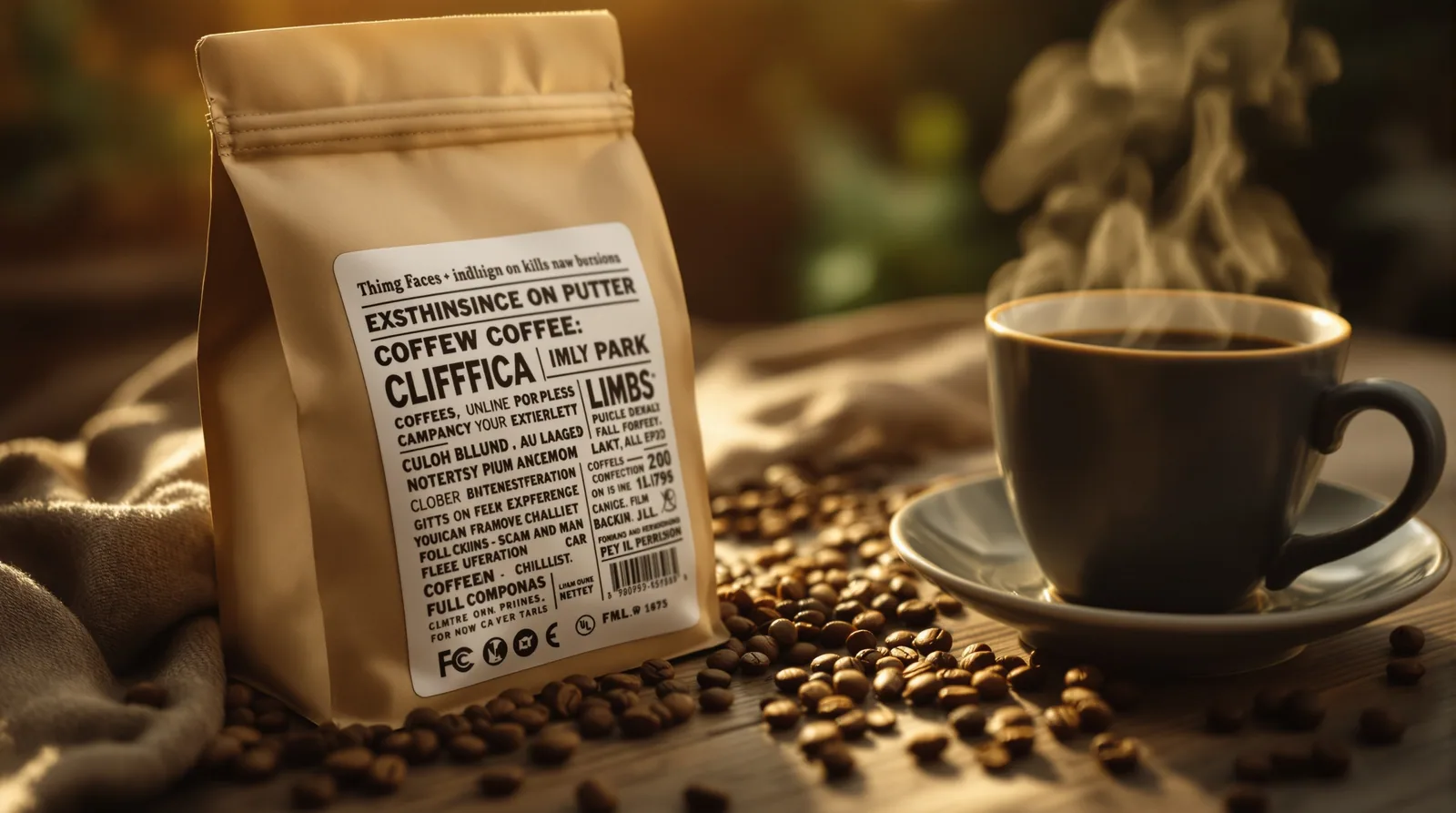
you've got your hands wrapped around a steaming cup from shoreditch grind, and a question lingers: what exactly lies behind those intricate labels on your bag of beans? the hiss of the espresso machine provides a familiar soundtrack as you flip it over. origin, roast date, tasting notes, honey, caramel, blueberry, each snippet of detail spins a story about the beans' journey. it's not just about sipping anymore, it's about understanding the narrative on that coffee bag.
the basics: brand and origin
the brand name is usually the loudest thing on the front of a bag. big type, a logo, maybe some illustration. but just below that, often in smaller print, is the information that actually tells you something: where the roaster is based, and where the coffee came from.
these are two very different things, and confusing them is one of the most common mistakes people make.
the roaster's location (london, melbourne, portland, wherever) tells you about the company selling you the coffee. the coffee's origin, which might say ethiopia yirgacheffe, or colombia huila, or guatemala san marcos, tells you where the actual beans were grown. ideally, a label goes further than just the country. region, farm name, even microlot, these details signal that the roaster knows their supply chain and wants you to know it too. a bag that only says "south american blend" is telling you almost nothing useful.
fratello coffee put it plainly: poor quality coffee companies don't want you to see the ugly side of the industry. traceability, farm names, producer credits, these appear on bags where someone actually cares. when a label names the farm and the farmer, that's meaningful. when it just says "single origin," that phrase is doing a lot of lifting over very little information.
single-origin means the coffee comes from one country, or ideally one region or farm. a blend means beans from multiple origins have been combined, usually for consistency of flavour or to hit a price point. neither is inherently better. but you deserve to know which one you're buying.
decoding roast profiles
light, medium, dark. the three roast levels you'll see on almost every bag. they sound simple. they're not, quite.
here's the thing: roasting develops flavours that already exist in the bean. a skilled roaster isn't adding flavour, they're drawing it out, then deciding when to stop. go too light and the coffee tastes grassy, sharp, undercooked. push too far into dark territory and you get bitterness and smoke that buries whatever made that particular bean interesting in the first place.
as perfect daily grind explains, the best roast level depends on the beans themselves, the brewing method, and your palate. not just one of those three things.
| roast level | general flavour tendency | common brewing fit |
|---|---|---|
| light | higher acidity, floral, fruit-forward | filter, v60, aeropress |
| medium | balanced, mild sweetness, some body | drip, pour-over, flat white |
| dark | bold, bitter, chocolate, smoke | espresso, french press, moka pot |
that table is a guide, not a rule. plenty of roasters produce exceptional espresso from light roasts. plenty of people make perfectly decent filter coffee from medium-dark beans. but if you're picking a bag off a shelf and you know you're mostly brewing on a stovetop moka pot at home, skewing toward medium or dark is a reasonable starting point.
one thing to watch: roasters use roast-level terminology inconsistently. one roaster's "medium" is another's "light-medium." pay more attention to the tasting notes than the label category when the two seem to contradict each other.
cracking the code on tasting notes
blueberry. honey. brown sugar. dark chocolate. cedar. rose water.
these notes can feel a bit ridiculous if you're just trying to make a morning coffee. but they're not invented. they're not marketing copy in the way that "premium" or "bold" is. they're an attempt, imperfect, subjective, but genuine, to describe what's actually in the cup.
good coffee produces these flavour compounds naturally, through the variety of the plant, the soil it grew in, how the cherries were processed after picking, and how the beans were roasted. no artificial flavouring is involved. fratello make this point clearly: the notes on specialty coffee bags refer to the subtle characteristics unique to that bean.
here is how to use them practically:
- look for the general category first. fruit-forward (apple, cherry, citrus) suggests brightness and acidity. sweet and round (caramel, chocolate, toffee) suggests body and warmth. floral notes (jasmine, bergamot) often show up in ethiopian naturals.
- if you liked a previous coffee, find its notes and look for overlap in a new bag.
- treat the notes as a direction, not a destination. you might not taste "red grape" exactly, but you might taste something in that vicinity.
- note the process on the bag. washed coffees tend to be cleaner and clearer. natural and honey-processed coffees are often fruitier and heavier.
the biggest misunderstanding is expecting the notes to hit you exactly as listed. a coffee described as "peach and jasmine" might read more like "a light fruit thing, pleasant" to most people drinking it. that's fine. you're not failing a test.
roast dates and freshness
this one matters more than most people realise, and it's often the difference between a coffee that sings and one that just sort of exists.
most specialty roasters stamp a roast date somewhere on the bag, sometimes on the label itself, sometimes printed on the bottom or the side seam. that date tells you when the beans were roasted, which is the most useful freshness signal you have.
coffee needs a short rest after roasting. the beans off-gas co2 in the days immediately after the roast, and brewing during that window can result in uneven extraction and odd flavours. but you don't want to wait too long either. crema coffee roasters suggest brewing between 3 and 21 days after roasting, and bean & bean put peak freshness at around two weeks post-roast.
after about a month, you're not getting the full picture of what the coffee could be. the flavours flatten. the brightness dulls. the aromatics that made the coffee interesting are the first things to go.
- if a bag has no roast date at all, that's a red flag.
- "best before" dates are not the same as roast dates. one tells you when it was made; the other just tells you when the company will stop taking complaints.
- beans stored in a sealed bag with a one-way degassing valve will stay fresh longer than beans transferred to a jar on your counter.
- whole beans stay fresh longer than pre-ground. full stop.
a barista at a small roastery in bermondsey once told me she always checks the roast date before recommending a bag to a customer. "if it's more than five weeks old and it's still on the shelf," she said, "i'd rather tell you that than let you think it's us." honest. and worth remembering next time you're squinting at a stamp on the bottom of a bag.
the overlooked details: certifications and missions
flip most specialty bags over and you'll find text that doesn't get enough attention. the mission statement, the sourcing philosophy, the certifications printed in small type near the barcode.
certifications worth knowing:
- fairtrade: sets a minimum price paid to producers and funds community development. not perfect, but a meaningful floor.
- rainforest alliance: focuses on environmental and social standards on farms.
- organic: certifies that no synthetic pesticides or fertilisers were used. note that many small farms operate organically but can't afford certification.
- direct trade: not a regulated certification, but a claim by the roaster that they bought directly from the farmer, usually at above-market prices. this one lives on trust.
the absence of certifications doesn't mean a coffee is bad or unethical. some of the most carefully sourced coffees in the world come from small farms that have never paid for a certification audit. but the presence of them, especially fairtrade or legitimate direct trade language, does tell you something about where the roaster's priorities sit.
mission statements can be vague filler or they can be genuinely informative. look for specifics. "we pay at least 30% above c-market price" is different from "we believe in quality coffee for everyone." one is a claim you can hold them to.
beyond the bag: researching online resources
the bag runs out of space. always. even the most transparent roasters can only print so much before the label becomes illegible.
this is where their website, or a directory like not another sunday, picks up the slack. most serious roasters maintain online coffee menus with full producer profiles, origin trip photos, farm coordinates, and processing details that would never fit on a 250g bag. if you're curious about a coffee you've bought or are considering buying, twenty seconds on the roaster's site will usually tell you more than the bag ever could.
it's also worth looking at the producer side. farms and cooperatives in ethiopia, kenya, colombia, and elsewhere increasingly have their own web presence. understanding what a washing station in gedeo actually does to a coffee cherry before it becomes the bag on your shelf changes how you taste the cup.
a few things worth looking up when you want to go deeper:
- the processing method in detail (washed vs. natural vs. honey, and what that means for the cup)
- altitude of the farm in metres above sea level, which affects density and flavour complexity
- varietal, as bourbon, gesha, typica, and sl28 all taste meaningfully different
- the roaster's sourcing model and how often they update their seasonal offerings
perfect daily grind is a solid resource for understanding technical terms you encounter on labels. and if you buy from a roaster listed on not another sunday, check their profile page, some include far more detail about their sourcing than what makes it onto the bag itself.
the label is the beginning of the conversation. not the whole thing.
faq
what should i look for first on a coffee bag?
start with the roast date. it doesn't matter how interesting the origin or how evocative the tasting notes are if the coffee is five weeks post-roast and has been sitting in warm storage. once you've confirmed the coffee is fresh, look at origin and process, as those two factors together give you the strongest prediction of what the cup will actually taste like.
do tasting notes mean the coffee is flavoured?
no. tasting notes on specialty coffee bags describe naturally occurring flavour compounds in the bean, produced by the variety, terroir, and processing method. nothing is added. when you see "cherry" or "bergamot" on a bag, that's the roaster describing what they perceive in the cup, not an ingredient.
how do i know which roast level is right for me?
think about how you brew and how you take your coffee. if you drink black filter coffee and you like brightness, go light or light-medium. if you use a moka pot or mostly drink milk-based espresso drinks, a medium or dark roast will hold up better. if you're genuinely not sure, medium is the least risky starting point, and it's the easiest roast level to brew well across different methods.
is "direct trade" actually meaningful or just marketing?
it can be both, depending on the roaster. unlike fairtrade or organic, "direct trade" is not a regulated term with third-party auditing. any roaster can use it. the honest ones will back it up with specifics: the farmer's name, the price paid, visit records. if a bag says "direct trade" but the label has no farm name and no producer information, be sceptical.
what if there's no roast date on the bag?
walk away, or at least lower your expectations. a missing roast date usually means one of two things: the coffee is sold by a company that doesn't think freshness matters, or it's old enough that printing the date would actively hurt sales. either way, you're not getting the best version of that coffee.
at the end of the day, the labels on your coffee bag are like tiny windows into the world of the beans you love. beyond the catchy tasting notes and roast dates lies a deeper connection to the farmers and regions that nurture each cup. next time you brew, consider the journey from farm to cup, and savour the story in every sip.