how to choose a wholesale roaster you can rely on
choosing a wholesale roaster isn't just about the numbers. it's a partnership that must enhance your coffee offerings while aligning with your brand's vision.
in this guide
- why partnership matters
- visiting the roastery
- understanding order sizes and logistics
- evaluating their commitment to quality
- aligning with your brand vision
- faq
- how many roasters should i approach before choosing one?
- is it better to use a local roaster or a well-known national one?
- what should i do if the quality drops after i've signed a contract?
- do i need to sign a long-term contract?
- what red flags should make me walk away?
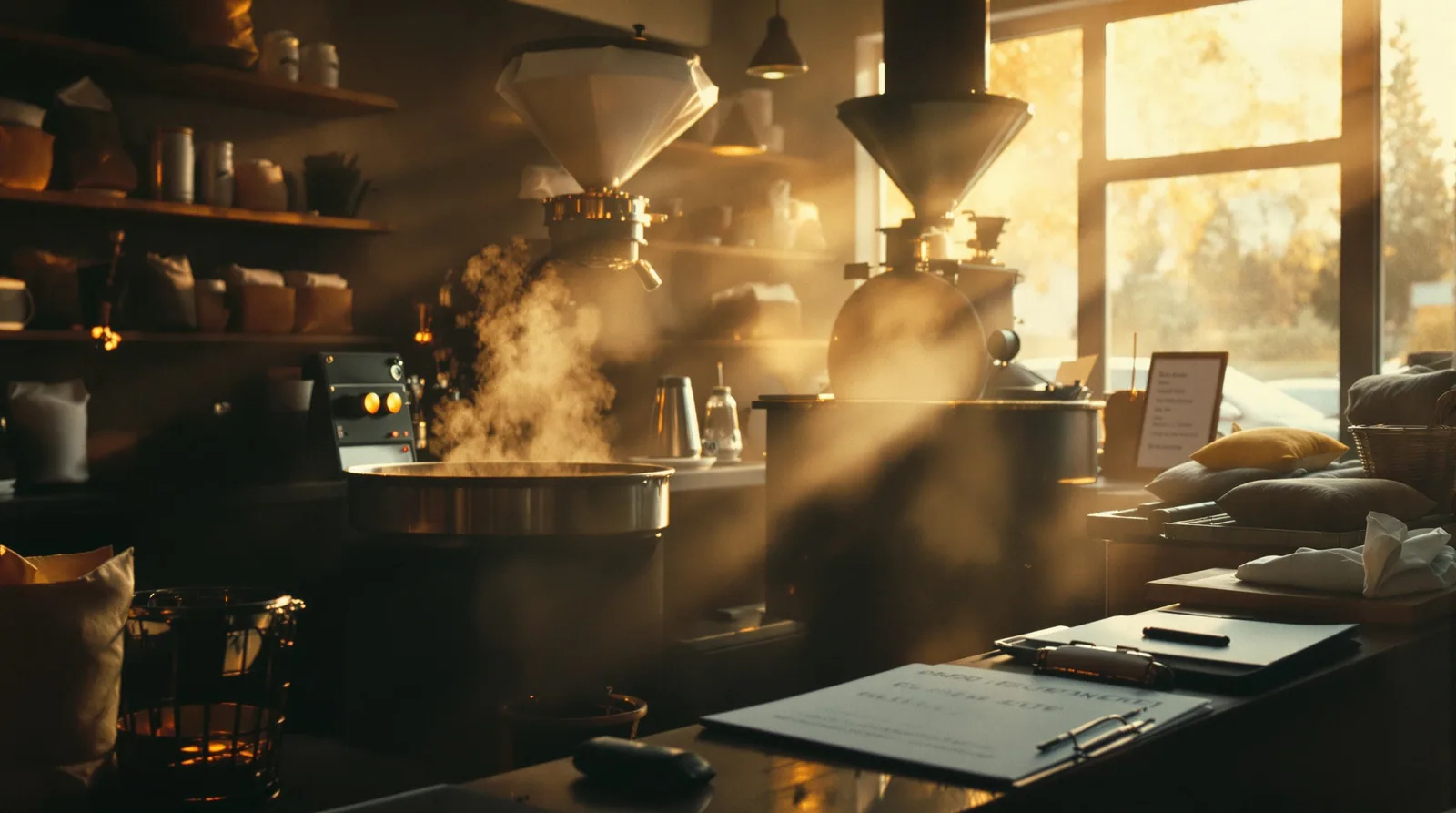
the first thing you notice when stepping into peace & grind is the aroma. it’s earthy, with a bit of caramel as the beans hit that first crack. visiting a wholesale roaster isn’t just about sniffing out the best deal. it's about feeling the pulse of their operation. here, amidst the gentle clatter of cooling beans, you meet the people behind the beans. their enthusiasm matches the hum of their machinery. it’s this face-to-face moment that reveals if they’re not just another supplier, but a potential partner.
why partnership matters
a wholesale roaster is not a vending machine you order from once a month. the good ones function more like a silent business partner. they shape what lands in your grinder, what your baristas are working with at 7am on a tuesday, and ultimately what your regulars taste in the cup. that's a lot of influence to hand over to someone based on a decent sample pack and a friendly sales call.
the roasters worth working with understand this too. as mahoney of atomic coffee roasters puts it, "it's more about creating a long-lasting partnership" than moving volume. the best ones are "ecstatic when a potential wholesale client just wants to learn more." that disposition tells you something. a roaster who wants you curious and engaged is one who's thinking past the first invoice.
practically, a long-term agreement tends to work in your favour on things like equipment pricing, training access, and guaranteed service levels. according to perfect daily grind, locking in a longer arrangement "helps you know that your wholesale partner is committed to the services they are promising." that's not a small thing when you're building a menu around their beans.
so before you get dazzled by a gorgeous natural ethiopian or a well-designed bag, ask yourself honestly: do you want to be doing business with these people in three years? because that's the frame you need.
---
visiting the roastery
go in person. this is non-negotiable.
you can read all the website copy you want, but nothing replaces standing on the roastery floor and watching how people move. is it clean? is the team focused, or does it feel like organised chaos? does anyone bother to explain what's happening in the drum when you glance at it? one roaster i visited in a converted industrial unit off the north circular had a profile log pinned to the wall next to every single roast batch, handwritten, going back two years. that level of obsession is hard to fake and impossible to communicate over email.
an in-person visit also lets you assess whether their product range actually fits your setup. if you're running a tight espresso-focused menu and they've built their reputation on filter-forward light roasts, that tension will surface eventually. better to feel it before you're six months in. bring your own water if you're doing a tasting. your local water profile matters, and tasting their coffee on their water tells you half the story at best.
ask to see the green coffee storage too. bags stacked on pallets flush against a damp wall, or worse, directly on concrete, tells you everything about how seriously they take pre-roast quality. that detail will never make it into a brochure.
---
understanding order sizes and logistics
this section gets skipped more than it should. founders fall in love with the coffee and then get six weeks in before realising the minimum order quantity is three times what they can move in a fortnight.
check the minimums early. large minimum order quantities are often, as perfect daily grind notes, "a way for wholesale roasters to streamline their operations by having a smaller partner list of larger clients." that's fine for them. it may not be fine for you if you're a 30-cover neighbourhood spot in peckham doing 4kg of espresso a week.
beyond minimums, pin down the actual logistics:
- how far is the roastery from your cafe? shipping time directly affects freshness.
- do they roast to order, or are they shipping from standing stock?
- what are their lead times on a standard weekly order?
- what happens when there's a delay? is there a backup protocol?
- do they stamp a roast date on every bag? (if not, ask why not.)
the roast date question is worth pressing on. fresh coffee extracts more predictably, gives your baristas a consistent baseline, and protects your margin. stale beans look cheap on paper and cost you in comped drinks and lost regulars. that maths doesn't work.
on the operational side, a good roaster should have clear, documented processes for order placement and fulfilment. roastertools outlines this well: the roasters who manage wholesale properly are tracking green coffee needs, scheduling batches against orders, and running a repeatable weekly system. if they seem to be winging it when you ask about their process, that's a signal.
---
evaluating their commitment to quality
quality is the word everyone uses. consistency is the thing that actually matters on the shop floor.
a roaster can send a genuinely exceptional sample and then ship something noticeably different six weeks later. that inconsistency costs you more than a bad batch ever would, because it undermines your baristas' ability to dial in confidently and your customers' ability to trust what they're ordering. as tapestry coffee puts it: "a roaster can send you an incredible sample and then ship something different six weeks later."
here's a practical checklist of what to look for:
- sourcing transparency. can they tell you the farm, the region, the processing method? not just "washed ethiopia" but yirgacheffe, kochere, from a specific cooperative.
- sample policy. they should offer samples without hesitation. if they won't send samples before you commit, walk away.
- roast profiling. ask how they develop and record roast profiles. logged data is a sign of rigour.
- quality control process. do they cup every roast? every batch, or spot checks only?
- how they handle complaints. ask directly: "what happens if i receive a bag and something's off?" the answer tells you about their culture, not just their policy.
- certifications and sourcing ethics. direct trade relationships, rainforest alliance, fair trade, or similar aren't guarantees of quality, but they indicate a roaster who's paying attention upstream.
the roasters worth working with will answer these questions without getting defensive. the ones who deflect or pivot to marketing language are worth being cautious about.
---
aligning with your brand vision
this one's softer than logistics, but it matters. the coffee you serve is part of your identity. if you're running a spare, focused espresso bar in a converted corner shop and your roaster's brand aesthetic is loud, maximalist, and plastered across everything, that friction will eventually show up on your counter.
use this comparison as a rough alignment check:
| factor | what to ask yourself | what to ask the roaster |
|---|---|---|
| aesthetic & tone | does their visual identity feel right on your shelves? | can we use our own branding on bulk supply? |
| coffee philosophy | light and expressive, or balanced and accessible? | what's your approach to roast development? |
| growth trajectory | are they scaling fast, or staying focused? | how many wholesale accounts are you currently running? |
| training support | do you need help training new staff regularly? | do you offer barista training as part of the deal? |
| exclusivity | are you in a competitive area with similar cafes? | do you have other accounts in our postcode or suburb? |
that last row is one that newer cafe owners forget to raise. if the roaster is supplying three other shops within a 10-minute walk, your point of difference shrinks. some roasters offer geographic exclusivity as part of a wholesale agreement. ask about it before you need it.
also, think about trajectory. a roaster who's focused on staying small and doing single-origin work brilliantly is a different partner than one aggressively chasing national distribution. neither is inherently wrong, but one of them probably fits your business better than the other. know which one that is before you sign anything.
---
faq
how many roasters should i approach before choosing one?
realistically, three to five. more than that and the process becomes noise. send sample requests to a shortlist based on geography, reputation, and whether their publicly available information suggests a match with your setup. taste carefully, visit at least two in person, and trust the combination of your palate and your gut read on the people.
is it better to use a local roaster or a well-known national one?
local usually wins on freshness and relationship quality. a roaster an hour's drive away who can deliver on a tuesday and pick up the phone when something's wrong is often more valuable than a prestigious national name with a 5-day lead time and a customer service email address. that said, if a national roaster has a genuine field rep who visits your shop and stays engaged, that changes the calculation.
what should i do if the quality drops after i've signed a contract?
document it. keep the bags, note the roast dates, pull your dialling-in notes. then have a direct conversation with your contact at the roastery, not a form submission. most quality issues have a fixable cause, and a roaster who's worth working with will want to know. if it happens repeatedly and nothing changes, you have your answer about whether this is a long-term partnership or just a supplier relationship.
do i need to sign a long-term contract?
not necessarily, though longer agreements can unlock better pricing on equipment and services. per perfect daily grind, the most durable relationships are built on shared vision rather than contract length. start with a shorter trial period if the roaster allows it. three months of real trading tells you more than any sample ever will.
what red flags should make me walk away?
no samples offered before committing. vague answers about sourcing. inconsistent communication during the sales process (if they're slow now, they'll be slower later). minimum order quantities that are wildly above your realistic weekly volume. and any roaster who can't tell you clearly what happens when an order goes wrong. process gaps at the roastery level become your problems at the shop level. don't inherit someone else's operational chaos.
in the end, a wholesale roaster is more than just a supplier. they're the backbone of your coffee offerings and a reflection of your brand ethos. the right choice echoes in every cup you serve, building trust sip by sip. so, next time you step into a roastery, remember: you're vetting not just their beans, but their passion and commitment too.