tariffs threaten your coffee: what to do now
new tariffs on coffee imports mean higher prices for your daily brew. here's how drinkers and roasters can navigate these choppy waters together.
in this guide
- understanding the new coffee tariffs
- how roasters are responding
- home roasting: a viable solution?
- what drinkers can do to adapt
- potential legislative relief
- faq
- will coffee prices keep going up in 2025?
- how much does the brazil tariff actually matter for coffee?
- is home roasting actually worth trying?
- will independent cafes survive this?
- what is the no coffee tax act and will it pass?
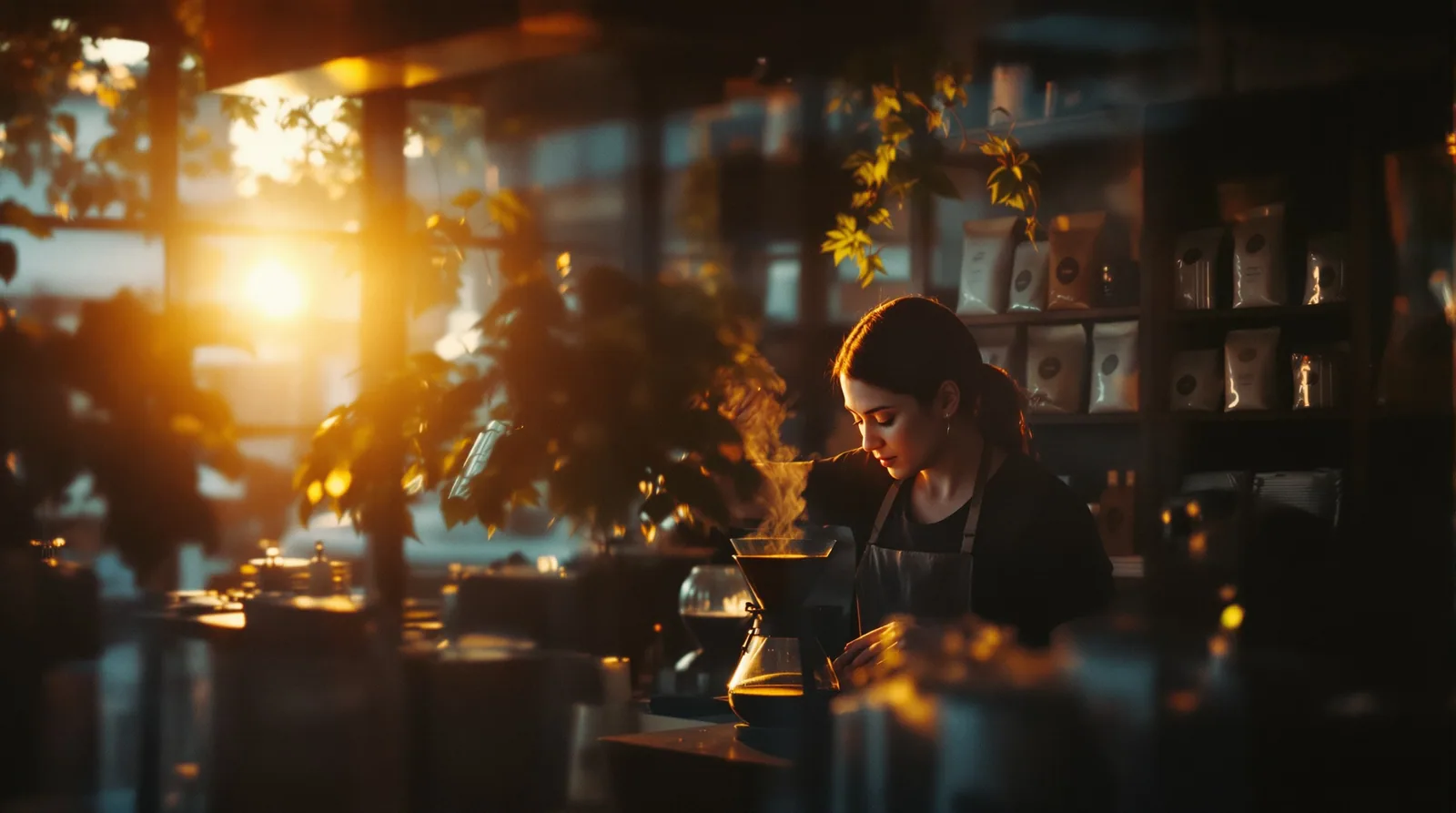
the hiss of the espresso machine competes with muffled conversations at third draught in shoreditch. fresh brown bags of beans line the shelves, their prices all newly adjusted. in the wake of looming coffee tariffs, local roasters aren't panicking yet, but they're certainly talking. everyone in the shop, from the barista to the regular sipping a flat white, knows what's coming: prices are going up. yet, there's an undercurrent of resilience here, an insistence on quality over quantity. the roasters are determined not to compromise on the beans they've painstakingly sourced. right now, as chatter fills the air, you can't help but wonder how these changes will ripple through your morning routine.
understanding the new coffee tariffs
coffee has been effectively tariff-free in the united states for decades. that changed in april 2025. a blanket 10% tariff now applies to nearly all u.s. imports, and certain origins face much steeper rates. brazil, the world's largest coffee producer and the source of roughly 30% of u.s. coffee imports, is staring down a 50% tariff that was slated to begin august 1. even if the exact figure shifts, the direction of travel is not.
here is the thing: almost all coffee consumed in the u.s. is imported. domestic production accounts for maybe 1% of national consumption, grown in hawaii and puerto rico. there is no domestic industry to protect. as genuine origin put it bluntly, these tariffs function as a tax on american businesses and consumers, not on foreign exporters. the cost lands here.
the impact is not theoretical. jessica simons, owner of bethany's coffee shop in lincoln, nebraska, told cnbc her shop saw prices rise 18% to 25% since january. she put a 3% surcharge on every cup just to keep up while new menus were being printed. "the prices have changed so quickly that we can't reprint menus every time the price goes up," she said. that is not a supply chain abstraction. that is a tuesday morning behind the counter.
| origin | tariff rate (2025) | share of u.s. imports |
|---|---|---|
| brazil | 50% | ~30% |
| colombia | 10% (baseline) | ~16% |
| ethiopia | 10% (baseline) | ~5% |
| vietnam | 10% (baseline) | ~16% |
| india | 10-25% (variable) | ~4% |
coffee futures have surged more than 50% year-on-year. retail prices, according to expana's coffee analyst oliver broster, still have "a long way to go to catch up to raw material costs." the pain at the register is real, and it is not finished.
---
how roasters are responding
small roasters are in a genuinely difficult position. they cannot absorb costs the way a starbucks or a nestlé can. and unlike, say, a restaurant that can quietly shrink portion sizes, the 250g bag on the shelf is the 250g bag. there is no hiding.
the most immediate move many are making is forward-buying. locking in contracts before tariff increases hit means securing coffee at pre-tariff prices. but that costs cash. as one roaster told wttw chicago, a single container of green coffee runs $150,000 to $200,000. two containers for a blend is close to half a million dollars sitting in inventory, still needing to be moved, stored, and roasted. not every roaster has that kind of cash flow. not even close.
others are rethinking their sourcing geography. brazil's 50% rate is punishing for roasters who built blends around its natural processed lots or its reliably affordable filler beans. some are pivoting to colombian or central american origins where the baseline 10% feels comparatively manageable. this is not always straightforward. origin relationships take years to build. you cannot just swap ethiopia yirgacheffe for a honduran natural and call it the same coffee.
what the more thoughtful roasters seem to be doing, based on conversations tracked by daily coffee news, is communicating openly with their customers. one roaster, inman, put it plainly: "your customers are going to ride the wave with you. they're coffee drinkers. they may change the way they buy coffee to save money. they may stop coming into your cafe and may buy your beans to brew at home, that's a huge savings for them, but they're going to ride this out." that kind of directness is underrated. people respect it.
a few practical strategies roasters are using right now:
- locking in green coffee contracts before tariff increases land
- diversifying origin sourcing away from brazil-heavy blends
- passing modest per-cup increases (10 to 15 cents is the figure most commonly cited) rather than dramatic jumps
- being transparent with customers about why prices are moving
- exploring direct trade relationships that reduce importer middlemen costs
---
home roasting: a viable solution?
it sounds like a niche hobby thing. and honestly, for a lot of people it probably stays that way. but the economics have shifted enough that it is worth taking seriously.
green (unroasted) coffee beans are not subject to the same markup structures as finished roasted coffee. you can buy a pound of green beans for roughly the same price as a single specialty drink at most cafes. that pound, once roasted, yields somewhere between 12 and 16 cups. the maths at coffee bean corral make the case plainly: if tariffs are pushing roasted bean prices up significantly, green beans offer a way to sidestep a portion of that inflation. you are still paying tariff-affected prices at import, but you are cutting out every margin stacked on top.
the barrier is equipment. a decent entry-level home roaster costs between $100 and $300. there are popcorn-popper hacks and cast-iron pan methods that cost nothing, though consistency is harder to control and your smoke alarm will have opinions. beyond the financial side, there is a genuine pleasure to it. roasting your own beans, even clumsily at first, makes you understand the process in a way that changes how you taste the cup. you start tracking development times. you notice the first crack. you ruin a batch and it teaches you something. none of that happens when you tear open a sealed bag.
the limitations are real. home roasting is time-consuming. you are not going to replicate a well-dialled light roast from a skilled production roaster on your first try, or your fifth. and green beans still have to come from somewhere, meaning the tariff impact is not zero. but as a partial hedge, particularly for dedicated home brewers already spending serious money on coffee, it is more viable now than it was two years ago.
---
what drinkers can do to adapt
the instinct is to panic-buy. resist it, mostly. bulk buying roasted coffee is counterproductive past a few weeks because roasted beans go stale. green beans store for up to a year in a cool, dry spot, so if you are moving toward home roasting, buying ahead of price increases makes more sense.
for everyone else, here is a realistic set of adjustments worth considering:
- shift your café habit slightly. a $4.50 flat white at your favourite independent three times a week is a different budget line than every day. buying a bag of their beans and brewing one or two of those at home keeps money flowing to the roaster while stretching your spending.
- buy direct from roasters. cutting out grocery store retail margins means more of your money goes to the people actually doing the sourcing work. most independent roasters offer subscriptions with modest discounts.
- think about brewing method. a v60 or aeropress uses less coffee per cup than most automatic drip machines are calibrated for. dialling in your dose precisely (20g for a 300ml pour, not a heaped scoop) extends a bag considerably.
- explore origins you have ignored. if brazilian naturals are getting expensive, this is a reasonable moment to get acquainted with a washed colombian or a rwandan. prices vary by origin. so does what is available.
- talk to your roaster. genuinely. ask what they are sourcing, what is good value right now, what they are excited about. most small roasters love that conversation and you will often end up with a better recommendation than the one on the front of the bag.
senior economist erin mclaughlin at the conference board noted that consumers "may change brands, or may shop for deals, or perhaps go down in quality in order to save a little bit of money." that is one path. the other is staying loyal to quality and just adjusting how and where you brew. for most specialty coffee drinkers, the second option is both financially possible and more satisfying.
---
potential legislative relief
there is a bipartisan bill in play. in september 2025, republican rep. don bacon of nebraska and democratic rep. ro khanna of california introduced the "no coffee tax act" to exempt coffee products from the tariff regime entirely. the logic is straightforward: the u.s. does not produce commercial quantities of coffee, so tariffs on coffee serve no protective function for american agriculture. they only raise prices for american businesses and consumers.
whether the bill moves is another question. congressional momentum for targeted commodity exemptions is unpredictable. the trump administration has shown a pattern of announcing tariffs and then partially rolling them back under pressure, which creates its own chaos for roasters trying to plan inventory. a container of coffee bound from india to the u.s. can change tariff exposure multiple times during a single voyage depending on which port it transits, as one importer described to daily coffee news.
the national coffee association has been vocal about the industry's economic weight. coffee contributes significantly to the u.s. economy through roasters, cafes, distributors, and equipment manufacturers. that is a real lobbying base. but legislative timelines rarely match the speed at which a small roaster's green coffee inventory runs out.
the honest position for roasters and drinkers right now is: do not count on legislative relief arriving in time to matter for your next purchasing decision. plan for the current cost environment. if relief comes, great. but the contingency plan needs to work without it.
---
faq
will coffee prices keep going up in 2025?
most indicators say yes, at least in the short term. coffee futures had already surged more than 50% year-on-year before the brazil tariff announcement, driven by weather-related supply shortages in brazil and vietnam. the 50% tariff on brazilian imports adds a significant additional cost layer on top of already elevated raw material prices. analysts have noted retail prices still have "a long way to go" to reflect current input costs. a modest per-cup increase of 10 to 15 cents is a common near-term estimate at cafes, but bags on grocery shelves may shift more noticeably.
how much does the brazil tariff actually matter for coffee?
a lot. brazil accounts for roughly 30% of u.s. coffee imports and is the world's largest producer. it is particularly important for commercial blends and for unroasted green beans. a 50% tariff on that volume is not a peripheral cost. small roasters who relied on brazilian beans as a blend component or as an accessible everyday offering are having to rethink their lineups, their pricing, and their sourcing relationships simultaneously.
is home roasting actually worth trying?
if you brew at home regularly and already spend meaningful money on coffee, probably yes. the upfront equipment cost is real but recoverable within a few months of buying green beans versus roasted. the quality ceiling is high if you are willing to learn. the main investment is time and attention. if you want convenience above all else, it is probably not for you. but if you enjoy the process side of coffee, and you are already grinding fresh and dialling in your brew ratio, home roasting is a natural and currently financially sensible next step.
will independent cafes survive this?
most will adapt, though some won't. the ones most at risk are those operating on already thin margins without the volume to absorb input cost increases or the customer loyalty to support a price rise. specialty-focused independents, particularly those with a clear identity and a dedicated regular trade, have more resilience than the cost arithmetic might suggest. as one roaster put it, someone who has been drinking your coffee is not going to switch to folgers because your bag went up a few dollars. the risk is more existential for cafes competing on price against chains, not for those competing on quality and relationship.
what is the no coffee tax act and will it pass?
introduced in september 2025 by reps. don bacon and ro khanna, the no coffee tax act would exempt coffee products from u.s. tariffs on the basis that the u.s. does not produce coffee at commercial scale and the tariffs therefore protect no domestic industry. whether it passes is genuinely uncertain. bipartisan support is a positive signal, but targeted commodity exemptions face a complicated path in the current congress. roasters and industry groups are supporting it actively. keep an eye on it, but do not plan your purchasing strategy around it passing on a particular date.
as the aroma of freshly ground coffee wafts through the air, it's clear that both roasters and drinkers are facing a time of adaptation. with each sip, the question lingers: how will these tariff-driven changes redefine our coffee habits? one thing’s for sure, the love for a well-crafted cup isn't going anywhere. perhaps, in this challenge, there's also an opportunity to explore new ways of enjoying our beloved brews.