the journey of your coffee beans before the hopper
before reaching your kitchen, coffee beans undergo a fascinating journey. from their origins on lush farms to the intricate roasting processes, each stage influences the eventual taste in your cup.
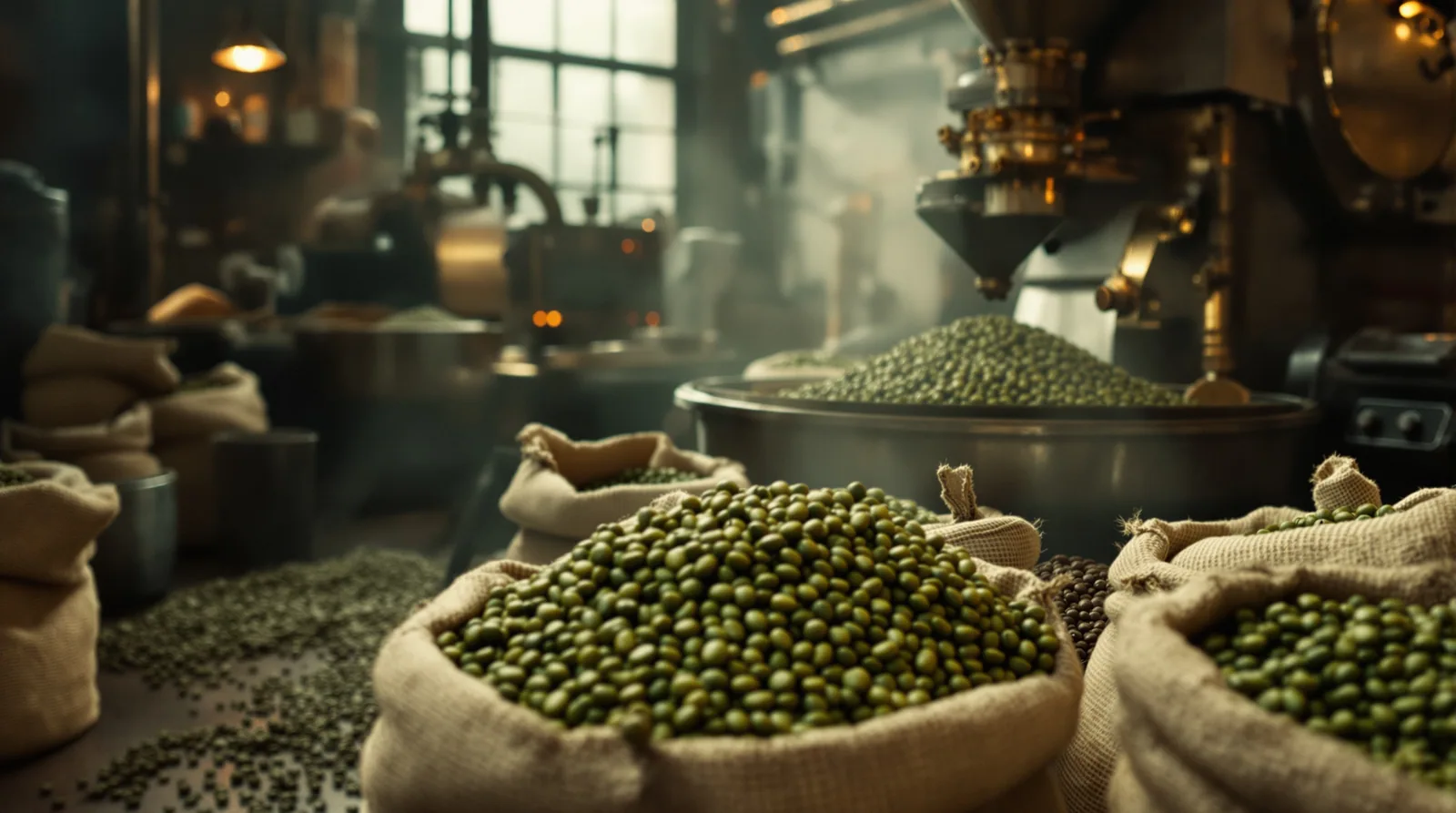
in this guide
- the origin of coffee: from seed to farm
- arabica vs. robusta: the two you need to know
- harvesting and initial processing
- the three main processing methods
- transportation hurdles and logistics
- the art and science of roasting
- from roaster to your kitchen: the final miles
- faq
- how long does it take for coffee to go from farm to your cup?
- what is green coffee and why does it matter?
- does the processing method actually change the taste in the cup?
- why do specialty roasters charge so much more than supermarket coffee?
- what does "direct trade" actually mean?
ever noticed the smooth, dome-shaped lid on your grinder as you pour in the aromatic beans? that's the hopper, the final stop before your coffee transforms from raw potential to liquid bliss. but those beans didn’t just fall off a tree and into your cup. they embarked on a winding journey, from lush green farms to the bustling interiors of roasting houses. traveling across continents, deftly avoiding static cling and oxidation, each step they take has a story that impacts your morning brew.
the origin of coffee: from seed to farm
coffee starts as a seed in soil. obvious, maybe. but the conditions that seed needs are surprisingly specific, and getting them wrong is the difference between a bag that tastes like blueberries and brown water and one that just tastes like brown water.
almost all of the world's commercially grown coffee sits within what is loosely called the bean belt, a band running roughly between the tropics of cancer and capricorn. high altitude is a big deal here: the cooler temperatures slow the cherry's development, letting sugars build up more completely and producing denser, more complex beans. ethiopian highland farms, colombian slopes above 1,500 metres, the volcanic ridges of sumatra. these places don't grow good coffee by accident.
most farms are small. around 80 percent of global coffee production comes from smallholders, often working plots of one or two hectares. that's roughly two to four acres. think a large suburban park, not an industrial estate. the people running these farms are managing shade canopies, soil nutrition, rainfall patterns, and pest pressure all at once, usually without the margins to absorb a bad season.
the coffee plant itself takes three to four years to bear fruit after planting. four years before a single commercial harvest. there's a patience built into this crop that you don't find in most agriculture, and it's worth holding onto that thought every time a bag of single-origin feels expensive.
arabica vs. robusta: the two you need to know
| | arabica | robusta |
|---|---|---|
| altitude preference | 600m to 2,200m | sea level to 800m |
| caffeine content | lower (approx. 1.2%) | higher (approx. 2.7%) |
| flavour profile | fruit, floral, nuanced acidity | earthy, bitter, full-bodied |
| disease resistance | lower | higher |
| % of global production | ~60% | ~40% |
specialty roasters work almost exclusively with arabica. that's not snobbery, it's about flavour ceiling: arabica has more to work with when everything else in the chain is done right.
---
harvesting and initial processing
picking is where the first major quality decision gets made. there are broadly three approaches: strip picking (everything off the branch at once, ripe or not), machine harvesting (common in brazil's flatter growing regions), and selective hand picking, where workers pass through the same tree multiple times across a season, taking only ripe red cherries each time.
selective picking is slower and more expensive. but it's the reason a washed ethiopian yirgacheffe can taste like jasmine and lemon curd rather than a muddy approximation of fruit. the ripe cherry matters that much.
once picked, the cherry has to be processed quickly, because fermentation starts almost immediately in the heat.
the three main processing methods
- washed (wet process): the cherry skin is removed by machine right after picking, the beans are fermented in tanks of water for 24 to 72 hours to break down the mucilage layer, then washed clean and dried. the result is usually a cleaner, brighter cup with well-defined acidity.
- natural (dry process): whole cherries are spread on raised drying beds or mats and left to dry in the sun for two to six weeks, sometimes longer. the bean absorbs sugars from the drying fruit around it. this method is traditional across much of africa and yemen and tends to produce heavier, fruitier, wilder flavour profiles.
- honey process: a middle path. some of the mucilage is left on the bean during drying. the amount left, and the colour name given to it (yellow honey, red honey, black honey), signals how much is retained and how long the drying takes. more mucilage generally means more sweetness.
after drying, the beans are hulled to remove any remaining dried fruit layers, then sorted and graded. sorting removes defects, foreign matter, and underdeveloped beans. grading systems vary by country but typically assess screen size (physical bean diameter), density, and altitude of origin. a coffee labelled specialty grade has to score 80 or above on the specialty coffee association's cupping scale, and zero category-one defects in a 350g sample.
---
transportation hurdles and logistics
here is the thing about green coffee: it is a commodity that moves through a genuinely complicated chain before it gets anywhere near a roaster's drum. the full sequence runs something like: farm, processing station, dry mill, exporter, freight forwarder, shipping container, port of origin, ocean freight, destination port, importer warehouse, roaster.
that's a lot of hands. and a lot of potential points of failure.
green beans are typically shipped in 60-kilogram jute sacks, sometimes in vacuum-sealed grain-pro bags inside those sacks for better moisture protection. container shipping introduces risks: temperature swings, humidity fluctuations, proximity to other cargo with strong odours (coffee is highly absorbent). a container of green beans sitting on a dock in a tropical port for two weeks while paperwork gets sorted is not doing the quality any favors.
the good news is that unroasted green coffee is relatively stable. stored properly in a climate-controlled warehouse, green beans can hold quality for 12 to 18 months before noticeable degradation sets in. that window gives roasters flexibility, but it's not unlimited, and the clock starts the moment processing is complete.
direct trade relationships, where a roaster works with specific farms or cooperatives and contracts harvests months in advance, shorten and simplify this chain considerably. counter culture coffee are a useful example here: they use the term "value chain" rather than supply chain precisely because it acknowledges that every actor in the process, from the picker to the importer, is adding something that affects what ends up in your cup.
a friend who imports small lots from two farms in huila, colombia, once described the anxiety of watching a container's gps ping stop moving for four days outside cartagena. "you don't know if it's fine or if there's been a customs problem or if the humidity sensor failed," she said. "you just wait." that uncertainty is baked into every bag you buy, whether the price reflects it or not.
---
the art and science of roasting
green coffee smells grassy, almost vegetal. nothing like what you're used to. the transformation happens in the roaster, and it happens fast.
the roasting process moves through three broad stages. first, drying: the drum reaches around 160°c and moisture is driven out of the bean, turning it from green to yellow over roughly the first eight minutes. this is endothermic, meaning the bean is absorbing heat rather than generating it. then comes the maillard reaction phase, where amino acids and reducing sugars interact under heat to create hundreds of flavour compounds. colours shift from yellow to tan to brown. the smell in the roastery changes completely, from toast to something sweeter and more complex.
then, first crack. this is the moment when built-up steam and co2 inside the bean causes it to expand and crack audibly, similar in sound to popcorn but lower-pitched. most roasters targeting filter or pour-over profiles will pull their beans somewhere around or just after first crack. darker roasts push through to second crack, where the cellular structure of the bean begins to break down and oils migrate to the surface.
the roaster's job during all of this is to manage the rate of temperature rise, called the rate of rise (ror), to develop flavour without scorching or baking the bean. a drum roaster gives more control than a fluid-bed roaster for most specialty profiles. some of the most distinctive coffee in the world comes out of machines that are decades old: mystic monk's roasters use a 1950s gothot customised for fine temperature control, and plenty of respected small roasters swear by vintage probats for similar reasons.
after roasting, beans need to degas. co2 is released from freshly roasted coffee for days, sometimes weeks. this is why quality bags have one-way valves, and why brewing immediately after roasting produces flat, gassy results. most roasters recommend a rest of three to ten days post-roast before brewing, longer for espresso.
---
from roaster to your kitchen: the final miles
roasted coffee is, compared to green coffee, quite fragile. oxygen, light, heat, and moisture all accelerate staling. the bag matters. so does how quickly the bag gets to you.
- valve bags: the one-way valve lets co2 out without letting oxygen in. non-negotiable for fresh roasted coffee.
- nitrogen flushing: some roasters flush the bag with nitrogen gas before sealing to displace oxygen. adds shelf life significantly.
- roast-to-order models: small specialty roasters who roast on tuesdays and ship on thursdays are giving you coffee that arrives at its degassing sweet spot just as it lands on your doormat.
- subscription services: increasingly common, and genuinely useful if you find a roaster whose palate aligns with yours. the real benefit is regularity: you get beans at consistent freshness rather than buying from a supermarket shelf where the roast date might be four months ago.
once the bag is in your hands, the clock moves fast. an opened bag of roasted coffee is best used within two to three weeks. kept sealed, in a cool dark place (not the freezer, not the fridge, both introduce moisture problems on reopening), it'll stay reasonable for four to six weeks.
and then it hits the hopper. which, as kafgar roasters note, is itself a freshness variable: uv exposure through a clear plastic hopper, heat from the grinder motor below, and oxygen sitting in contact with beans you've left loaded overnight all quietly degrade what's in there. the advice is simple: load what you'll use. don't pre-fill and forget.
if you're buying from a roaster local enough to visit, some of the best value in specialty coffee is going directly to the source. something like hermanos coffee roasters, who operate across london and work directly with colombian producers, gives you a short, clear chain and beans that reflect genuine relationships with the farms they source from.
---
faq
how long does it take for coffee to go from farm to your cup?
it varies significantly, but a realistic minimum for specialty coffee is four to six months from harvest to retail. processing, drying, milling, export preparation, ocean freight, and importer warehousing each add time. some micro-lot coffees move faster through more direct relationships, but even then you're rarely talking less than eight to ten weeks from farm gate to roastery.
what is green coffee and why does it matter?
green coffee is simply unroasted coffee: the bean after processing and drying but before it goes into the roasting drum. it's the form in which coffee is traded internationally because it's far more stable than roasted coffee during long transport. the quality decisions made before the bean is green (picking, processing, drying) set a ceiling that roasting can't exceed. you can't roast your way out of a bad harvest.
does the processing method actually change the taste in the cup?
yes, substantially. a natural-processed coffee from the same farm and same harvest as a washed lot will taste noticeably different. the natural version typically shows more fruit-forward, jammy character; the washed version tends toward cleaner, more defined acidity. it's one of the more interesting variables to experiment with if you're trying to understand your own preferences.
why do specialty roasters charge so much more than supermarket coffee?
the cost reflects where the money goes. smaller lot sizes, higher transport costs per kilo, premiums paid to farmers above commodity market prices, careful storage and freshness management, roasting in smaller batches. supermarket coffee is often made from commodity-grade beans bought at futures market prices, blended for consistency, and roasted months before you buy it. the price difference is real and mostly justified.
what does "direct trade" actually mean?
there is no regulated definition, which is worth knowing. in practice, a roaster using the term is usually claiming they buy from specific farms or cooperatives rather than through a broker or trading house, often with transparency about the price paid to the producer. the quality and ethics of these relationships vary widely. the best direct trade arrangements involve the roaster visiting farms, providing feedback, and paying prices that reflect quality premiums. the worst use it as marketing with no meaningful difference from conventional sourcing. ask the roaster what they actually paid. the good ones will tell you.
next time you pour beans into your grinder, think about their journey. each bean has crossed continents and jumped hurdles just to land in your kitchen. it's easy to forget the complex path they’ve traveled, but remembering it might make that morning cup a bit more meaningful. those beans have a story worth savoring.