cup of excellence: is that $50 bag worth your brew?
cup of excellence: a premier competition in coffee. is that $50 bag worth it for you? find out as we delve into the history, tasting process, and perceived value.
in this guide
- the origins of cup of excellence
- the rigorous selection process
- how cup of excellence impacts coffee producers
- tasting notes and what to expect
- comparing cup of excellence to everyday brews
- is it worth the splurge? personal stories
- faq
- what does "cup of excellence" actually mean on a bag of coffee?
- how many cup of excellence winners are there each year?
- why are coe coffees so expensive at retail?
- can i taste the difference from regular specialty coffee?
- where can i buy cup of excellence coffees?
you've just stepped into the bustling aroma of "third draught," shoreditch's favorite hideaway for coffee purists. a barista deftly swaps portafilters, a hiss of steam punctuates the air. there's chatter about a new arrival: a cup of excellence winner, just landed. at £40 a bag, you wonder if it's hype or haven. this is no ordinary coffee; it's been through rigorous trials, awarded by the alliance for coffee excellence. so, what's really in that bag, and is it worth your hard-earned cash?
the origins of cup of excellence
it started in brazil. 1999, and the specialty coffee world was still figuring out how to talk about quality in any consistent, verifiable way. the cup of excellence was founded by george howell, susie spindler, and silvio leite, and the premise was simple if ambitious: find the best coffees a country produces, have them judged blind by people who know what they're doing, and then sell them to buyers who'll pay what they're actually worth.
george howell was already a known name in specialty coffee, having built and sold the coffee connection chain in boston before starbucks bought it. he wasn't starting a marketing scheme. the intent was genuinely about quality traceability and fair economic return for producers who were growing extraordinary coffee in relative obscurity.
from that single brazilian competition, the program has grown considerably. as of now, the alliance for coffee excellence runs competitions in bolivia, brazil, colombia, peru, ecuador, el salvador, costa rica, nicaragua, guatemala, honduras, mexico, burundi, ethiopia, indonesia, and rwanda. that's a lot of cups. and every single one goes through the same process.
the rigorous selection process
this is where coe separates itself from most coffee awards. it is not a panel of industry insiders scoring coffees over a long weekend. the evaluation is structured, repeated, and genuinely unsparing.
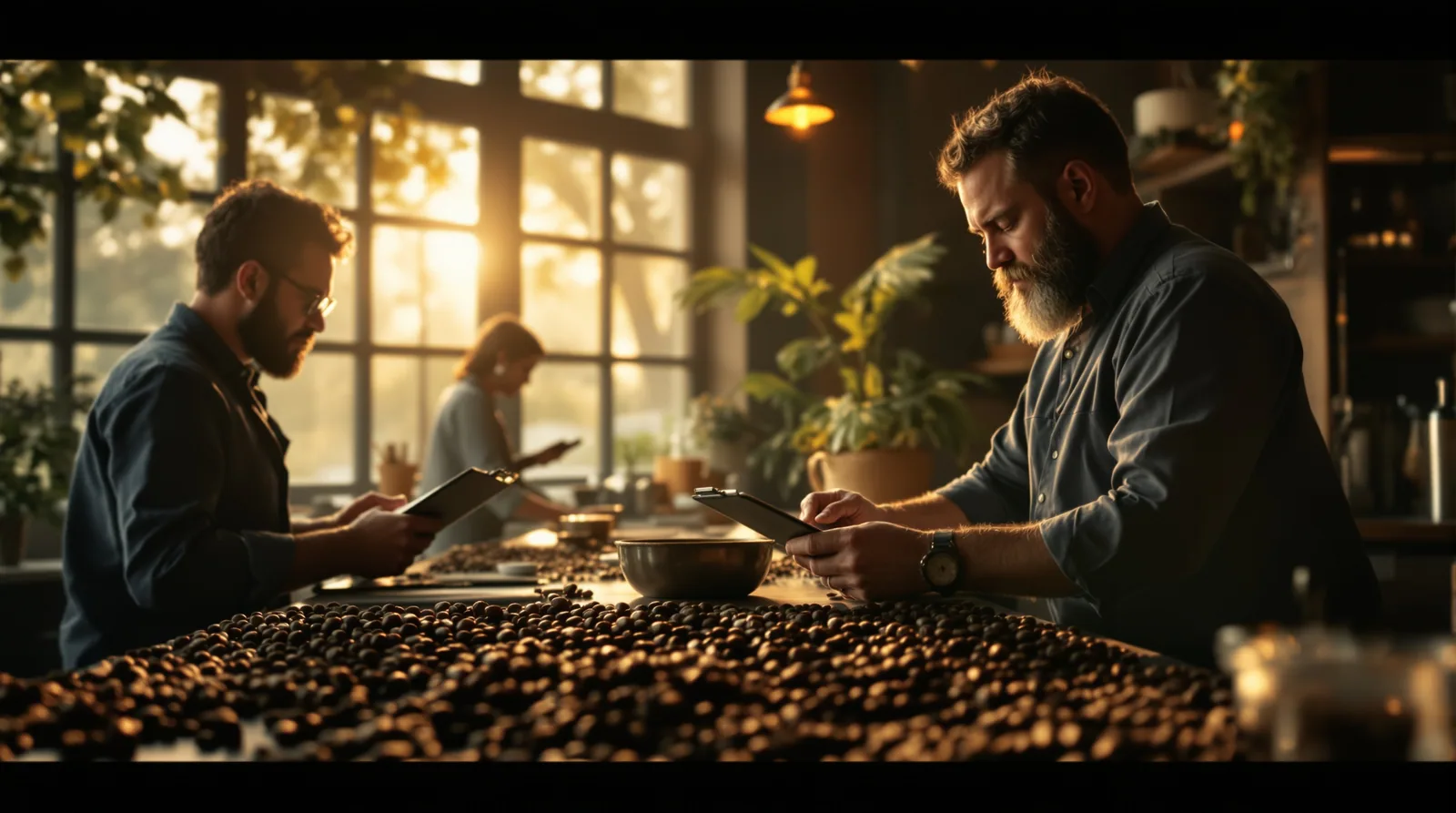
scott rao has written about this clearly: each competition involves six rounds of evaluation across a national jury and an international jury. every coffee is cupped blind. judges don't know the farmer's name, the farm's location, or even the variety. to advance at all, a coffee must score at least 86 points. fall below that at any stage and you're out.
here's the rough order of how it works:
- pre-selection phase. samples are submitted, up to two per producer at no cost. initial cupping weeds out anything that doesn't clear the quality threshold.
- national jury round one. local expert cuppers evaluate all qualifying samples blind.
- national jury round two. scores are consolidated and the field narrows.
- national finals. top coffees are confirmed by the national jury. these become national winners.
- international jury evaluation. an international panel, often 8-10 experienced buyers and roasters from around the world, cups the national winners blind again.
- final rankings and auction. the top 30 coffees are ranked, scored, and sold via online auction. the scores published are averages across all these rounds combined.
by the time a coffee carries a coe badge, it has been cupped a minimum of five times. as idle hands roasting lays out, coffees that reach the auction have passed through all three phases and met the scoring threshold at every stage. you can argue about palate preferences all day, but the process itself is hard to dismiss.
how cup of excellence impacts coffee producers
the scoring and the prestige matter, but honestly the money is the real story here.
standard specialty coffee might fetch a producer $6 to $9 per pound on the green market, which is already better than commodity pricing. a coe auction winner regularly sells for $75 per pound or more. top lots, the number one ranked coffees from a given country, can go significantly higher. that is not a rounding error. that is a completely different economic reality for a small farm.
peter jones, a judge who has participated in multiple coe competitions, put it plainly to scott rao: "winning changes people's lives." that's not copywriting. when a farmer in honduras or burundi suddenly receives auction prices ten times above market rate, that money goes into farm infrastructure, into better processing equipment, into the next harvest. neighbouring farmers notice. the quality bar in a region can shift because of a single coe result.
the coe also provides something that money alone doesn't: a name. before coe, most small producers were anonymous within a cooperative or export lot. winning assigns a farm identity. buyers come back the following year specifically for that farm's coffee. long-term relationships form. that continuity is worth as much as any single auction result.
tasting notes and what to expect
award-winning coe coffees are not simply "good coffee." they occupy a specific flavour register that can be genuinely startling if you're used to standard specialty fare.
a 2024 el salvador coe number one, a pacamara honey process grown at 1900 metres by ismael recinos flores, scored 92 points and carried notes of peach, mango, praline, and a brightness that judges described as creamy and harmonious. a top-ranked peru washed lot has shown brown sugar, pomegranate, apricot, and lemon in the same cup. these aren't marketing flavour wheel inventions. they reflect genuinely unusual aromatic complexity that comes from exceptional genetics, precise processing, and high altitude growing conditions working together.
what you're likely to find across coe winners:
- high sweetness, often described as fruit-forward or candy-like, without the flat sweetness of over-roasted beans
- distinct acidity, usually well-integrated and described as "bright" rather than sharp
- long, clean finish with the flavour still detectable a full minute after the last sip
- complexity that shifts as the cup cools, something cheaper coffees almost never do
- processing notes that are expressive but controlled, particularly in naturals and honeys
the best way to experience a coe coffee is on a simple brewer. a v60 or a kalita wave. something where there's no milk, no pressure extraction muddying the picture. bloom the grounds slowly, watch the co2 release in small bubbles, and taste it at around 70 degrees celsius rather than straight off the boil. the full character of the coffee won't show itself when it's burning hot.
comparing cup of excellence to everyday brews
you might be thinking: i already buy good specialty coffee. is coe actually different or is it just a more expensive version of the same thing?
fair question. here's an honest comparison:
| | standard specialty coffee | cup of excellence winner |
|---|---|---|
| minimum score | usually 80+ (sca scale) | 86+ at every evaluation round |
| number of cuppings before sale | typically 2-3 | minimum 5, often 6 |
| price per 100g (retail) | £8 to £18 | £25 to £55+ |
| traceability | farm or co-op level | specific lot, specific producer |
| flavour complexity | good to very good | exceptional, often distinctive |
| roast approach | varies | almost always light, preserving origin |
| availability | ongoing | limited, often sells out fast |
a well-sourced single origin from a roaster you trust, say something from a direct-trade relationship with a colombian finca, can absolutely be delicious. it might score 87 or 88 points. it might have genuinely beautiful fruit and chocolate notes. but coe lots are selected specifically for standing out even within that field. the ceiling is higher.
the gap is real. whether the gap is worth three or four times the price is a different question entirely, and that depends on you.
is it worth the splurge? personal stories
a roaster friend in peckham (she runs a small operation out of a railway arch, mostly wholesale) bought a coe honduras lot a couple of years back for her own use. she told me she made it as a pourover at home on a sunday morning and genuinely stopped moving for a moment. "it tasted like lychee and jasmine and something i couldn't name. i made my flatmate come in from the other room." she also said it lasted about a week before she was back to her regular £14 bag, mostly for financial reasons. but she said she thinks about that cup occasionally.
that's actually a pretty common pattern in the reddit discussions around this topic. people on r/pourover describe coe experiences as memorable, sometimes revelatory, but not necessarily integrated into daily life. several people note that context matters enormously: brewing a coe coffee on a rushed weekday morning before a commute is wasted on you. saving it for a slow weekend, a good grinder, a brewer you know well, makes all the difference.
others are more ambivalent. some find that certain coe lots, particularly from countries they don't typically gravitate toward, don't match their personal flavour preferences regardless of the score. a 91-point coffee that's floral and delicate is genuinely great. it's also not what someone who loves a heavy, chocolatey brazilian is looking for.
the honest answer is that coe coffee is worth trying at least once if you're serious about coffee. once you've had a reference point for what a 90+ score actually tastes like in the cup, your whole calibration shifts.
faq
what does "cup of excellence" actually mean on a bag of coffee?
it means the coffee inside was entered into an official coe national competition, passed through multiple rounds of blind cupping by both national and international juries, scored at least 86 points at every stage, and was sold via the official ace online auction. it's a traceable, audited designation, not a self-assigned label.
how many cup of excellence winners are there each year?
more than most people realise. each competing country produces around 30 national winners per competition cycle, and competitions run across more than fifteen countries. so there are hundreds of coe winners globally each year. the ones most people see in roasters' shops tend to be the top-ten ranked lots from any given country, which are rarer and more expensive.
why are coe coffees so expensive at retail?
the green coffee itself sells at auction for dramatically above standard market price, often $30 to $100+ per pound depending on ranking and country. roasters then add their margin on top of an already high input cost. the small batch sizes (many coe lots are only a few hundred kilograms) mean no economies of scale. the $40 to $55 retail bag reflects real upstream cost, not just branding.
can i taste the difference from regular specialty coffee?
most people with some coffee experience can tell when tasting side by side. the complexity, sweetness, and the way the flavour develops as the cup cools are usually noticeably different. that said, the brewing method matters. coe coffee brewed carelessly on a cheap grinder will underperform a well-brewed standard specialty coffee. equipment and technique still count for a lot.
where can i buy cup of excellence coffees?
roasters who participate in ace auctions sell coe lots directly through their online shops, usually in limited quantities shortly after the auction. some specialty retailers also stock them. bean & bean coffee roasters and others regularly offer coe lots with full scoring and producer details. if you're in the uk, roasters like square mile, hasbean, and similar direct-trade-focused operations occasionally carry coe winners. check their new arrivals and move quickly when something looks right.
in the end, a cup of excellence coffee is like a rare bordeaux or a limited edition sneaker drop. it might be worth every penny or just an indulgence for the moment. only you can decide if the taste justifies the price, but remember: sometimes, it's the story and journey of the bean that makes the cup truly extraordinary.