why your flat white costs more in 2026
from climate stress on coffee farms to rising supply chain costs, here’s why your flat white is pricier in 2026. explore where that extra money is being spent.
in this guide
- rising green coffee bean prices
- supply chain disruptions
- impact on local cafes
- in-house roasting as a strategy
- consumer reactions and adaptations
- faq
- why have coffee prices gone up so much in 2026?
- is this price increase permanent, or will costs come down?
- where does my money actually go when i buy a flat white?
- should i feel bad about asking for a cheaper option at my local cafe?
- are independent cafes at risk of closing because of this?
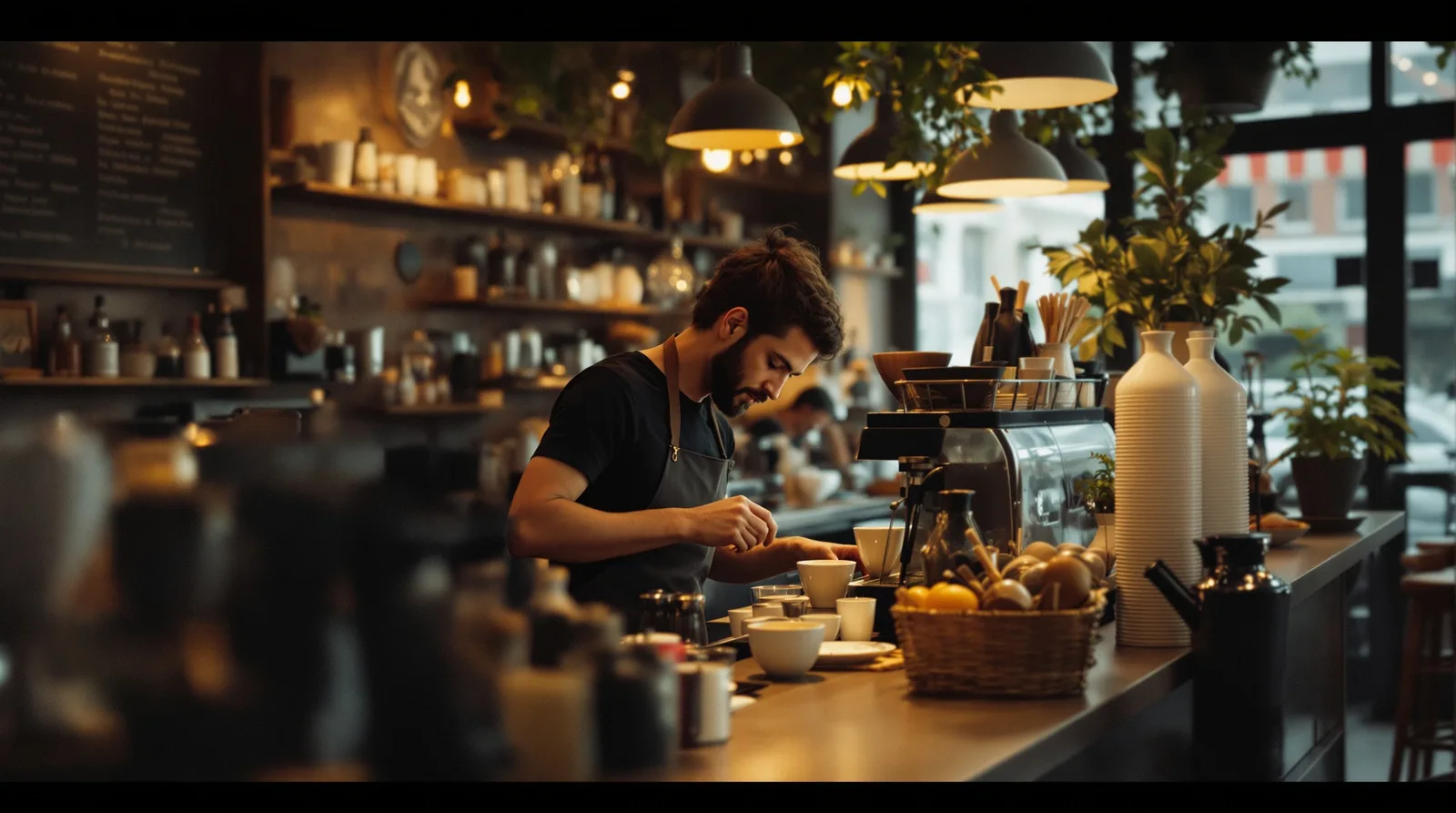
the hiss of the espresso machine fills the air as you wait for your flat white at the third draught in shoreditch. as you stare at the menu, you notice the price has crept up again. you're not imagining it. coffee prices have indeed been climbing, not just here but globally. the cost of green beans has skyrocketed due to climate change pressures in brazil and ethiopia, where droughts and unpredictability are becoming the norms. rising freight and import fees add to the mix, squeezing cafes and ultimately, your wallet.
rising green coffee bean prices
the number that keeps coming up in conversations between roasters right now is 65. as in, green coffee prices have jumped roughly 65% since late 2024, driven by a collision of bad harvests, currency pressure, and a market that was already running tight.
brazil and vietnam are the two biggest producers of arabica and robusta respectively, and in 2025 both had historically poor harvests. not slightly down. historically low. carabello coffee's breakdown of how we got here is worth reading in full, but the short version is this: bad weather triggered panic-buying, which tightened already-thin inventories, which sent the c-market (the global benchmark price for coffee futures) to record highs. everyone was trying to cover their supply at once. prices spiked hard and have stayed there.
ethiopia is a different story but no less worrying. climate stress in the highlands, where most of the world's finest washed and natural arabicas are grown, is shortening productive seasons and adding volatility to what farmers can reliably offer from one year to the next. bedrock coffee's 2026 pricing explanation puts it plainly: fewer beans mean higher prices, and even when crops recover, the long-term impact of climate instability won't just reset.
the c-market is also denominated in us dollars. so when the dollar strengthens, every uk roaster buying green coffee pays more in pounds for exactly the same beans. no change in quality, no change in quantity. just a bigger invoice.
one commenter on ozone coffee's instagram post about their price increases put it plainly: "my understanding also is that more coffee is now being consumed every day than is grown." that is not far off the mark. global demand has kept climbing while supply has tightened. that gap is what you are paying for.
---
supply chain disruptions
getting coffee from a farm in yirgacheffe or huila to a roastery in bermondsey or salford is genuinely complicated. and every stage of that journey got more expensive over the past eighteen months.
freight rates climbed sharply through 2024 and have not fully corrected. import tariffs, particularly following shifts in us trade policy, added friction and cost across global supply chains. for uk roasters, currency fluctuation layered on top of those freight increases means the landed cost of green coffee was being hit from multiple directions at once.
there is also a less-discussed pressure: financing. when the price of green coffee doubles, everyone in the chain from the farmer to the importer to the roaster needs more working capital just to hold inventory. farmers need capital to wait for better prices. exporters need it to warehouse stock. importers need it to offer roasters forward contracts. that credit cost is baked into what roasters eventually pay, and it flows through to your cup.
new eu anti-deforestation regulations, phasing in across 2026 and 2027, are adding another layer of complexity. as the bbc reported, brazilian and vietnamese suppliers now need to provide gps coordinates of their plantations for verification against satellite imagery before coffee can be shipped into europe. the compliance burden is real. smaller farms with less administrative capacity are struggling with the paperwork, and those delays cost money.
---
impact on local cafes
here is the thing people miss when they look at a £4.50 flat white: the beans are maybe 15 to 20 percent of that price on a good day. the rest is rent, rates, labour, milk, equipment maintenance, packaging, card fees, and a margin thin enough that one bad week can genuinely hurt.
anthony duckworth, who runs the dear coco cart at kew bridge, told the bbc he was working hard to keep a flat white under £4. "every part of the supply chain has become more expensive," he said. "we think there's a really important psychological threshold around that four pound mark." that conversation is happening in some form in every independent cafe right now.
so how are cafes actually adapting? most are doing a combination of things, and none of them are comfortable:
- absorbing some cost increases and accepting lower margins, at least temporarily
- raising prices, slowly and carefully, to avoid shocking regulars
- reducing menu complexity, cutting slower-moving items that tie up prep time and waste
- trimming opening hours, especially mid-afternoon dead zones
- renegotiating supplier contracts where possible
- switching milk formats (barista oat rather than full-service non-dairy options) to reduce cost per drink
the cafes doing worst are the ones caught in high-rent locations with fixed long-term leases signed before costs spiked. the ones doing comparatively better tend to have lower overheads, loyal local regulars, or some form of retail (bags, merch, subscriptions) that pads the revenue.
what cafes are largely not doing, at least the good ones, is switching to cheaper beans. the moment you compromise on the coffee itself, you've undermined the only real reason someone is choosing you over the pret two doors down.
---
in-house roasting as a strategy
some cafes, particularly those with the floor space and the capital, are looking at roasting in-house as a way to take back some control. the logic is straightforward: when you buy green coffee and roast it yourself, you cut out the wholesale margin you'd otherwise pay a roaster. you also get tighter control over inventory, freshness, and the ability to source directly from importers or even from origin.
bellwether coffee's analysis of the 2026 price surge identifies in-house roasting as one of the more sustainable long-term responses to rising wholesale prices, precisely because it creates a buffer against market fluctuation. you are still exposed to green coffee price swings, but you're not paying a roastery margin on top of them.
the upfront costs are real, though. a decent commercial roaster runs from roughly £15,000 to £80,000 depending on capacity and brand. you need someone who knows what they're doing (roasting is a skill that takes years to develop properly), space to house and ventilate the equipment, and green bean relationships that take time to build.
here is a rough comparison of the two models for a mid-size independent:
| factor | buying wholesale roasted | in-house roasting |
|---|---|---|
| upfront cost | low | high (equipment) |
| cost per kg (ongoing) | higher | lower over time |
| quality control | dependent on supplier | direct |
| sourcing flexibility | limited | greater |
| staff expertise needed | standard barista | roaster + barista |
| risk exposure | market volatility via supplier | direct market exposure |
it is not the right move for every cafe. a 30-seat spot on a side street in leeds with one la marzocco and four staff is probably not a roastery candidate. but for a cafe group with multiple sites, or a cafe with genuine ambition to grow a retail coffee business alongside its counter trade, the numbers can start to work.
bedrock coffee is a good example of a roaster that has leaned into direct sourcing and small-batch roasting to justify a price premium while being transparent about where that premium goes.
---
consumer reactions and adaptations
most people are grumbling and still buying. that's the honest summary.
a regular at sharps coffee bar in edinburgh once told a barista there, half-joking, that she'd already cut her gym membership and wasn't about to give up her cortado too. that kind of sentiment is more common than the cafe industry might expect. coffee, for a lot of people, is not a luxury they're willing to cut. it's the one daily pleasure that still feels proportionate.
that said, behaviour has shifted. not dramatically, but noticeably.
- people are ordering smaller sizes more often. a 5 oz flat white instead of a 10 oz latte.
- takeaway frequency is dropping slightly in favour of drinking in, where the price is the same but the experience feels more justified.
- home brewing investment has climbed. v60, aeropress, and decent grinder sales are up across the board as people supplement their cafe habit rather than replace it.
- subscription coffee has grown. buying bags directly from roasters online locks in some price stability and cuts out retail margins.
- cafe loyalty cards are back in favour. not just as a perk, but as a genuine factor in where people choose to spend.
what's less common than you might expect is people trading down to chain coffee. the customers who care about independent specialty coffee seem, for now, to be absorbing the price rather than heading to the golden arches. whether that holds as prices continue rising is a genuine question nobody has a confident answer to.
reddit threads on the topic paint a varied picture. some people report their usual bag of beans has gone from $16 to $24 in under a year. others say their local cafe has held prices steady by locking in forward contracts. the experience is uneven, which is part of what makes this moment confusing for consumers.
---
faq
why have coffee prices gone up so much in 2026?
the short answer is a collision of supply and demand problems hitting at once. brazil and vietnam had terrible harvests in 2025, reducing global supply significantly. at the same time, demand for coffee globally is at historic highs. when supply shrinks and demand doesn't, prices rise. layer in higher freight rates, import tariffs, currency shifts, and eu compliance costs, and the price of getting quality green coffee to a uk roastery is substantially higher than it was two years ago.
is this price increase permanent, or will costs come down?
probably not a full reversal, no. green coffee futures remain volatile, and the structural issues (climate pressure on growing regions, higher freight baseline, compliance costs) are not going away. prices could ease somewhat if 2026 harvests in brazil and vietnam recover well, but most roasters and analysts expect elevated prices to be the new normal for at least the next few years. the flatwhiteindex is worth bookmarking if you want to track how flat white prices are moving globally over time.
where does my money actually go when i buy a flat white?
roughly speaking, for a £4 flat white at an independent specialty cafe in a uk city, you're looking at something like: 60 to 80p in coffee (beans, grind, shot), 40 to 50p in milk, and the remaining £2.50 to £3 going to rent, rates, labour, equipment, card processing fees, packaging, and a thin margin. the beans themselves are a surprisingly small share of the total. what's changed is that every other line item has also gone up, so the whole equation is under pressure simultaneously.
should i feel bad about asking for a cheaper option at my local cafe?
no, but context matters. asking a cafe to swap to a smaller size or a different milk is totally reasonable. asking them to discount a drink because you "remember when it was cheaper" is putting pressure on a business that is almost certainly already operating on tighter margins than it would like. if you genuinely can't afford the price, say so honestly. most good independents would rather find a way to keep you as a customer than watch you walk out.
are independent cafes at risk of closing because of this?
some are, yes. the ones most exposed are those with high fixed costs (rent, rates, equipment finance) that they can't flex, and limited ability to raise prices without losing their customer base. the bbc's reporting on the dear coco cart highlighted how even a relatively lean street-trading operation feels the squeeze. for bricks-and-mortar independents in expensive city-centre locations, the margin for error is very small right now. supporting your local cafe consistently, not just when you feel like it, is genuinely one of the more useful things you can do.
so the next time your barista hands over that flat white, maybe it’ll taste a little different. not just the notes of the roast, but the journey those beans took to reach your cup. it's a reminder that every sip carries the weight of a global industry grappling with change.