when your roaster raises prices, here's what to do
when your roaster raises prices, cafes face a delicate balancing act. with the rising costs of beans, strategic communication and internal adjustments are key.
in this guide
- understanding the current coffee market
- communicating price changes to customers
- finding efficiencies within your cafe
- building and maintaining trust with your team
- creative pricing strategies for customer retention
- learning from successful cafes
- faq
- how much of a price increase can a cafe realistically pass on to customers?
- how should i explain the price increase without it sounding like an excuse?
- should i switch to a cheaper roaster to cut costs?
- what if customers complain directly at the bar?
- is this a good moment to start roasting in-house?
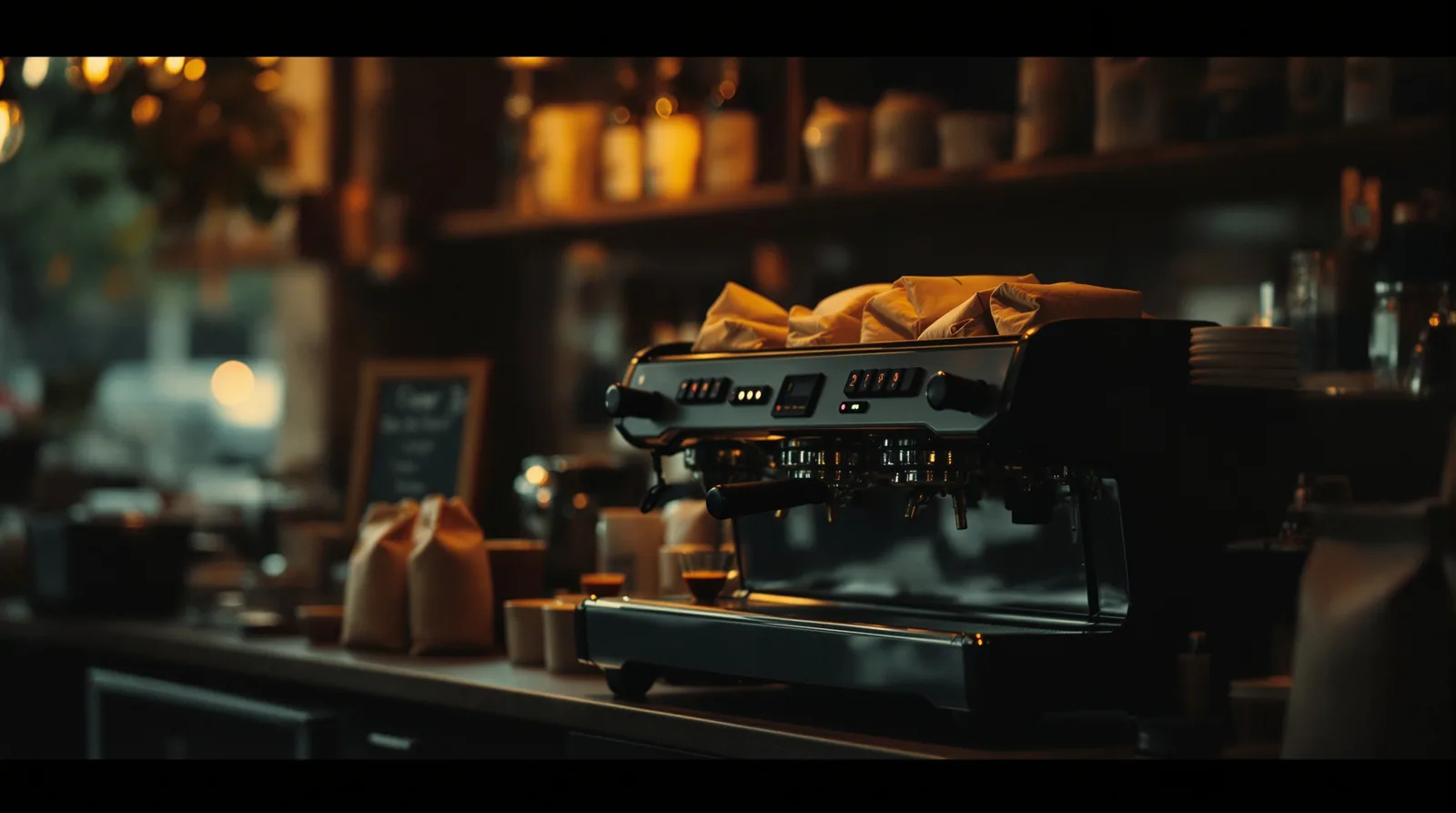
the hiss of the la marzocco, the comforting aroma of freshly ground beans. you’re at the counter culture cafe in brooklyn, weighing the next move while waiting for your flat white. your roaster just emailed: prices are going up. again. it's the third time this year, a necessary response to rising green coffee prices and tariffs. navigating this change is like a dance, where each step, price adjustments, customer communication, staff trust, matters. how do you keep the beat without losing rhythm? that's the challenge.
understanding the current coffee market
this is not a blip. the price increases hitting your inbox right now are the product of several years of compounding pressure, and the roasters sending those emails are not enjoying it any more than you are.
the headline driver is green coffee prices. arabica futures hit record highs through 2024 and into 2025, pushed up by a severe frost in brazil in 2021 that shrank supply, followed by drought conditions across central america, and then a run of bad harvests in vietnam affecting robusta. markets took years to fully price that in, and now they have. coffee prices tripling in some categories is not hyperbole.
on top of that, roasters who buy seasonally and in modest volumes are exposed in a way that big commodity buyers are not. as snake river roasting co. put it plainly: "just a year ago, our raw coffee might have cost half as much. now it's in a completely different territory." small-batch roasters don't hedge years ahead like a multinational can. they pay today's price. when that price doubles, the whole math of their business changes.
tariffs on imported goods and the general upward drift in operational costs (energy, packaging, wages) have added further layers. perfect daily grind reported that record green coffee prices and tariffs in 2025 specifically forced roasters into retail price hikes at a scale they had been resisting. your roaster absorbed as much as they could. now they are passing on what they cannot.
knowing this matters because it changes how you talk about it. to your customers, yes, but also to yourself.
---
communicating price changes to customers
most cafe owners dread this conversation. they imagine a queue of regulars walking out the door when the new menu board goes up. honestly, that almost never happens. what does happen is people notice, form an opinion in about six seconds, and move on with their day. what they form that opinion about is whether you seem straight with them.
a few things that actually work:
- be specific, not vague. "our costs have increased" is thin. "the colombian we've been using went up 40% at the green level, and that's before roasting or shipping" is something a person can hold onto.
- pick the right moment. a card at the till, a short note in your email list, a post on instagram that doesn't look like a press release. all fine. a passive-aggressive sign that reads "prices have changed due to circumstances beyond our control" is not fine.
- don't apologise excessively. one acknowledgment is human. three paragraphs of apology makes customers wonder if you're hiding something.
- give lead time where you can. if you know prices are going up in two weeks, say so. let people process it before they're standing at the counter.
crimson cup's guidance on raising prices makes the case for gradual increases rather than one big jump. smaller moves (think 20 to 30 cents on a drink rather than 80 cents all at once) stay under the threshold where people feel compelled to react. if you've been absorbing costs and are now facing a larger catch-up, do it in two steps over six months rather than in one go.
there is a real difference between a customer who feels informed and one who feels ambushed. the ambushed customer tells friends. the informed one usually shrugs and orders a pastry.
---
finding efficiencies within your cafe
before you raise a single price, run through your operation once more. not to avoid the price increase (you will probably need to do that too), but because there is almost always money being left on the table.
here is a practical place to start. walk your workflow for a full week and ask at every step: is this portion correct, is this step necessary, is this product earning its spot on the menu?
- audit your milk usage. milk is expensive and waste is common. steaming to order rather than batch-pouring, and dialling in your standard drink sizes properly, can cut waste by 10% to 15% at busy shops.
- look at your lowest-margin drinks. a blended seasonal special that takes four minutes to make and sells for the same price as a two-shot latte is a problem. either price it correctly or rotate it off.
- renegotiate supplier terms. not just coffee. cups, syrups, cleaning supplies. even a small local bakery will usually talk terms if you ask directly and you're a reliable account.
- reduce single-use spend. lids, stirrers, napkins. if you put them on the counter, people take them regardless of need. keep them behind the bar and hand them out when asked.
- schedule tighter. labour is usually the largest single cost in a cafe. if your slowest hour has two people on and one would do, that hour is expensive every single day.
the owners of wandering goat in eugene actually reduced their hours rather than compromise the quality of the organic premium coffee they buy. that's a legitimate choice. fewer hours, same standards, lower total cost exposure. it won't suit every cafe, but it shows the thinking: protect what makes you what you are, and trim what's peripheral.
---
building and maintaining trust with your team
your baristas will feel this before your customers do. they're the ones answering questions at the machine, absorbing the sighs, fielding the raised eyebrows. if they don't know what's going on, or worse, if they feel kept in the dark, that uncertainty shows up in service. you can hear it in a slightly shorter greeting, in the way someone explains the new price with a barely perceptible wince.
the valor coffee podcast put it well, and bluntly: price increases are a litmus test of the health of your culture. as they discuss in episode 168, if your team doesn't trust you as the leader, they'll probably assume you're cash-grabbing, even if you're not. that distrust doesn't spring up overnight. it was already there, dormant. a price increase just surfaces it.
so before the new menu goes up, talk to your team:
- explain what's driving the change. not a speech, just a real conversation.
- give them the language to use with customers. a single clear sentence is enough.
- tell them what you're doing to keep their wages protected where possible.
- ask if they have ideas. they're watching the floor every day. sometimes they see things you don't.
a friend who manages a small specialty shop near exmouth market told me her team's main anxiety during a price increase wasn't the customers, it was whether the tips would go down. she acknowledged it directly in a staff meeting. that one acknowledgment changed the whole tone. the team went into the first week of new prices confident rather than defensive.
---
creative pricing strategies for customer retention
raising prices doesn't have to mean raising prices on everything, uniformly, all at once. you have more room to manoeuvre than the email from your roaster might make it feel like.
here is a comparison to illustrate the basic options most cafes are working with:
| strategy | upside | risk |
|---|---|---|
| flat price increase across menu | simple, consistent | feels abrupt to regulars |
| graduated increases (by drink type) | less noticeable, buys time | requires menu reprinting in stages |
| introduce new higher-margin drink | adds revenue without raising existing prices | needs development time and barista buy-in |
| loyalty programme / subscription | smooths revenue, rewards regulars | setup cost, admin overhead |
| portion/recipe adjustment | keeps price stable short-term | risk of quality perception drop |
blends are worth a mention here. a well-constructed house blend gives you cost flexibility (you can adjust the ratio of origins based on what's affordable that season) while giving customers something consistent to attach to. roastertools notes that blends drive repeat purchases specifically because customers can't get them anywhere else. pricing a blend slightly below your single-origin options keeps an accessible entry point on the menu without dragging down your margins across the board.
subscription models, if you have a retail bag side to your business, are also worth building. a customer paying a monthly flat fee for their weekly bag is a customer whose behaviour you can forecast. that predictability has real value when your own costs are volatile.
---
learning from successful cafes
the businesses handling this well share a few things. they moved fast once they accepted the reality. they talked openly. and they protected quality over margin where it counted.
one operator quoted in the lookout eugene piece, running a cafe in the pacific northwest, absorbed what he could for a few months while waiting to see if tariff-driven price spikes would ease. they didn't. his costs rose roughly 30%, and he raised prices by 15% to 20%, absorbing the gap himself rather than passing all of it on. an espresso went from three dollars to four. his regulars, he said, were understanding. that understanding came partly because he had been honest with them for years about how his business worked.
ember coffee in minnesota took a similar position: staying transparent with their community about sourcing decisions, adjusting roast profiles when necessary to compensate for origin changes, and treating the moment as a reason to communicate more rather than less. that instinct is right.
what the less successful operators tend to do is wait. they absorb too long, get squeezed to the point of desperation, and then raise prices sharply in one go with no explanation. that's when customers actually push back.
if you want a practical model, look at what shops with strong wholesale or bag retail operations do. the diversification means no single revenue line is under as much pressure. a cafe like heart coffee in portland has built a recognisable retail identity alongside its espresso bar presence. that duality gives them options most single-location espresso bars don't have.
the playbook is not complicated. act before you're desperate. explain honestly. don't hide behind corporate-speak. and trust that customers who genuinely value what you do will stay.
---
faq
how much of a price increase can a cafe realistically pass on to customers?
there is no single answer, but the general field experience is that absorbing 30% to 50% of a cost increase yourself and passing the rest on is often more sustainable than passing all of it on at once. customers are more price-sensitive to large single jumps than to gradual increases. if your costs go up 30%, a price increase of 15% to 20% on drinks is usually palatable, especially if communicated clearly.
how should i explain the price increase without it sounding like an excuse?
keep it short and specific. something like: "green coffee prices have roughly doubled over the last two years. we've held our prices as long as we could, and we're adjusting now to keep operating at the level you're used to." that's it. you don't need three paragraphs. customers respond better to directness than to long explanations that read like someone has been coached by a pr team.
should i switch to a cheaper roaster to cut costs?
maybe, but think carefully about what that costs in other ways. your roaster relationship, if it's a good one, carries value beyond the price per kilo. consistency, responsiveness, access to good lots. switching purely on price often creates quality inconsistencies that show up in the cup and take months to troubleshoot. a better first step is to have an honest conversation with your current roaster about what flexibility they can offer, whether that's a different blend, different bag size, or payment terms.
what if customers complain directly at the bar?
train your team to acknowledge it simply and move on. "yeah, costs have gone up across the board this year, same as most places" is usually enough. don't over-explain, don't get defensive, and don't invite a debate about whether the price is justified. most customers just want to feel heard, not refunded.
is this a good moment to start roasting in-house?
it can be, and the economics are more interesting than they used to be. bellwether coffee estimates that some operators reach payback on a shop roaster in around six months by saving on wholesale costs and adding retail bag revenue. but that assumes you have the space, the time, the capacity to learn, and a retail demand to support it. for most single-site cafes doing under 15kg of coffee a week, the numbers don't stack up cleanly. it's worth running, not assuming.
price hikes are a test of resilience and ingenuity. transparent communication and thoughtful adjustments can turn a challenge into an opportunity for growth and deepened customer trust. remember, even amidst the noise of grinders and the steam of milk, clarity and intention can guide the way through. adapt and thrive.